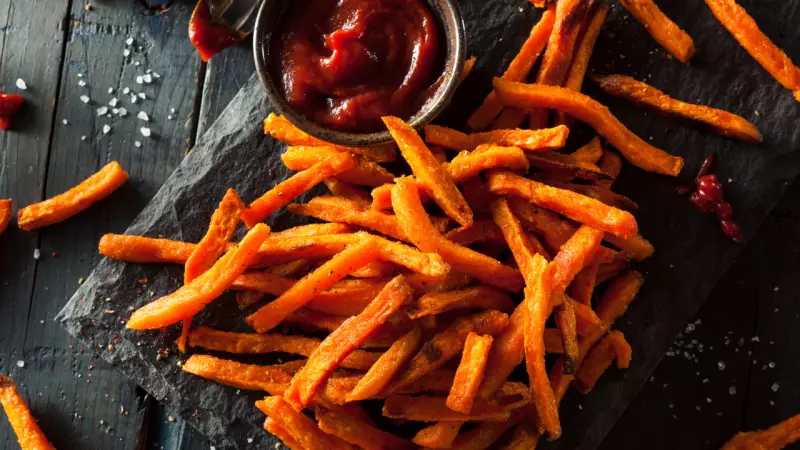
Master the Art of Making Crispy Sweet Potato Fries at Home
Sweet potato fries appear deceptively simple. You cut them, season them, and bake them. Yet many home cooks experience disappointing results: fries that turn out soggy in the middle, burnt on the edges, or unevenly browned. The issue isn't with the sweet potatoes themselves. It's all about technique.
Sweet potatoes behave quite differently from regular potatoes. They contain higher moisture content and more natural sugars, which makes achieving that perfect crisp texture challenging. Once you learn to work with these characteristics instead of against them, you can create excellent fries consistently rather than by accident.
1. Cut Your Fries Uniformly for Even Cooking
Consistent cutting matters more than you might think. Fries that vary in thickness will cook at different rates, leading to burnt tips and soft centers. Aim for medium-thick batons rather than thin matchsticks or chunky wedges.

Cutting them too thin causes burning before proper crisping occurs. Cutting them too thick prevents moisture from escaping properly. Take an extra minute to ensure even cutting. This simple step solves half your problems before cooking even begins.
2. Soak Your Fries Properly to Remove Excess Starch
Soaking sweet potato fries in cold water helps remove surface starch and some excess sugars. This improves texture and reduces premature browning during baking. Twenty to thirty minutes of soaking works perfectly.
After soaking, drain the fries thoroughly and dry them completely. This step proves absolutely critical. Any remaining surface moisture will steam the fries instead of crisping them. Pat them dry with real intention. Skipping proper drying represents the fastest way to ruin your fries.
3. Give Your Fries Plenty of Space on the Baking Tray
Overcrowding stands as the most common mistake people make. Fries need adequate space for hot air to circulate around them. If they touch or pile up, they will steam instead of crisp.
Use two baking trays if necessary. Arrange fries in a single layer with gaps between each piece. This might feel inefficient, but crowded fries never achieve proper crispness regardless of baking time. This is where patience truly pays off.
4. Use Oil Sparingly for Better Results
Sweet potatoes don't require generous amounts of oil. Too much oil weighs them down and prevents proper moisture evaporation. Toss your fries with just enough oil to create a light coating.
Neutral oils work best for this purpose. The oil should support heat transfer rather than drowning the vegetable. If your fries appear glossy after oiling, you've already added too much.
5. Season Your Fries in Strategic Stages
Add salt and spices after oiling, but save delicate spices for later application. Paprika, garlic powder, pepper, and chili flakes can burn during extended baking times.
For optimal flavor, bake fries plain or lightly seasoned initially. Then add your remaining salt and spices during the last five minutes of baking or immediately after removing them from the oven. This approach keeps flavors bright rather than bitter.
6. Bake at High Temperature and Flip Once
Low baking temperatures make sweet potatoes soft rather than crisp. Bake at a high temperature and ensure your oven reaches full heat before adding the fries. Halfway through cooking, flip the fries gently just once.
Flipping too frequently breaks their structure. Not flipping at all creates uneven browning. A single flip provides perfect results. If using an air fryer, keep batches small and shake only once or twice during cooking.
Bonus Tips for Extra Crispiness
A light dusting of cornflour before oiling can improve crispness by absorbing surface moisture. This isn't essential but proves useful if your fries consistently turn out soft.
Serving immediately also matters significantly. Sweet potato fries lose their crisp texture as they cool. They're not designed to sit around waiting. Enjoy them fresh from the oven for the best eating experience.