6 Common Kitchen Items You Must Throw Out Immediately for Health Safety
Kitchens are often celebrated as the heart of nutrition and healthy living, where balanced meals are crafted with care. However, this vital space can also harbor hidden dangers, including harmful chemicals, germs, and bacteria that threaten human health. From chipped cooking pans to everyday aluminum foil, many standard kitchen items pose significant risks if not properly managed. Here, we explore six common kitchen items that experts urge you to discard immediately, along with the reasons why and healthier alternatives to adopt.
Non-Stick Pans: A Source of Toxic Fumes
According to cardiologist Dr. Alok Chopra, overheating non-stick cookware can release toxic fumes, while scratches may leach harmful chemicals into food. Older pans containing PFOA and PFAS chemicals are particularly concerning, as these substances can accumulate in the body over time. Research links these chemicals to hormone disruption, immune system effects, and long-term toxicity, making them a serious health hazard.
Healthy Alternatives: Opt for safer materials such as stainless steel, cast iron, glass, or ceramic cookware. Always avoid overheating or using damaged pans to minimize risks.

Aluminum Foil: Risks of Metal Leaching
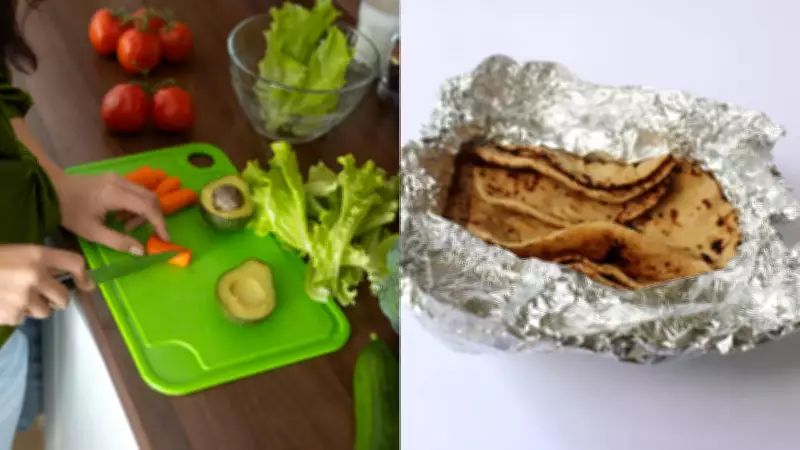
Dr. Chopra also highlights that aluminum foil can leach metal into meals, especially when used with acidic foods or at high temperatures. Long-term exposure to aluminum has been associated with neurological issues and an increased risk of Alzheimer’s disease. Additionally, aluminum foil is non-biodegradable, contributing to environmental harm alongside health concerns.
Healthy Alternatives: Use parchment paper for baking and glass or silicone containers for reheating and storage to reduce exposure.
Plastic Food Containers: Chemical Leaching Dangers
Many plastic containers, particularly older or low-grade ones, can leach harmful chemicals like BPA, BPS, and phthalates. This risk escalates when plastics are microwaved or come into contact with oily, acidic, or hot foods. These chemicals are known to disrupt hormones, affect fertility, and weaken immune responses. Notably, black plastic is often made from recycled electronic waste and may contain toxic substances.
Healthy Alternatives: Store food in glass, ceramic, or stainless-steel containers. Avoid microwaving any plastic, even if labeled as microwave-safe.
Plastic Cooking Utensils: Degradation and Health Hazards
Dr. Saurabh Sethi, a gastroenterologist trained at AIIMS, Harvard, and Stanford universities, advises discarding plastic cooking utensils immediately. Over time, these utensils can degrade, especially when exposed to high heat, releasing harmful chemicals like BPA. When heated or used with acidic foods, BPA can enter food and beverages, leading to issues such as infertility, diabetes, obesity, high blood pressure, and an increased risk of certain cancers.
Healthy Alternatives: Choose utensils made from safer materials like stainless steel, silicone, or bamboo to minimize chemical exposure.
Plastic Cutting Boards: Microplastic Contamination
Dr. Sethi also recommends throwing out plastic chopping boards, as they can degrade over time and release microplastics into food. Experts warn that microplastics from cutting boards may leach into meals, raising concerns about inflammation, toxicity, and hormone disruption with prolonged exposure.
Healthy Alternatives: Shift to safer options such as wooden or glass cutting boards to reduce the risk of microplastic contamination.
Scratched or Chipped Non-Stick Pans: Toxic Particle Release
Dr. Sethi states that scratched or chipped non-stick pans often contain PFAs, which have been linked to health issues like high blood pressure, cholesterol problems, and reproductive issues. Damaged pans can release these toxic particles directly into food, posing immediate health risks.
Healthy Alternatives: Replace damaged non-stick pans with safer alternatives like stainless steel, cast iron, or fully ceramic pans to ensure a healthier cooking environment.

By identifying and replacing these hazardous kitchen items, you can significantly reduce health risks and promote a safer, more sustainable lifestyle. Always prioritize materials that are durable, non-toxic, and environmentally friendly to protect both your well-being and the planet.