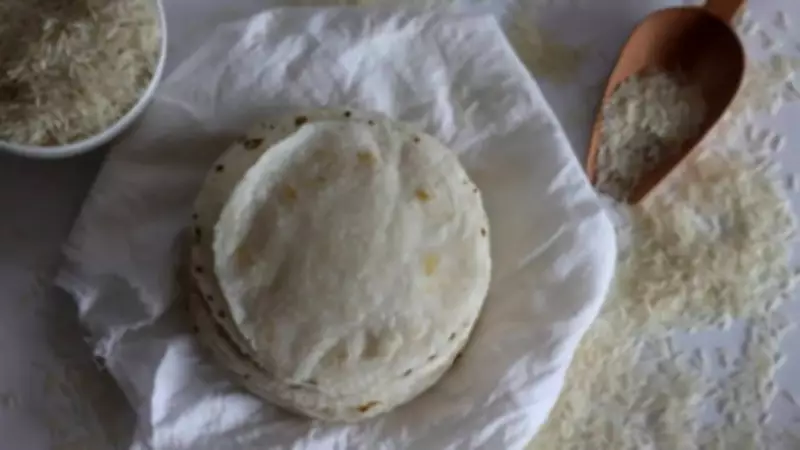
Master the Art of Soft Rice Flour Roti: 5 Proven Home Techniques
The comforting combination of thinly rolled rice flour roti with a dollop of ghee and flavorful aloo sabzi is a beloved staple in many households. However, numerous home cooks encounter a persistent challenge: the dough cracks during rolling or results in dry, hard rotis. This issue stems from rice flour's lack of gluten, which eliminates elasticity and makes the dough notoriously tricky to handle. Fortunately, with the correct methods, you can effortlessly create soft, pliable, and even puffed rice rotis at home. Explore these five expert-approved tips to transform your roti-making experience.
1. Utilize Hot Water for Kneading
While wheat flour dough is typically kneaded with room-temperature water, rice flour requires a different approach. For rice roti, it is essential to use hot or boiling water during the kneading process. Unlike wheat, rice flour needs heat to gelatinize its starch, enabling proper binding. The key technique involves adding hot water gradually to the flour and using a spoon or spatula to combine the mixture. Once it cools slightly, knead it into a smooth, soft dough. This crucial step enhances the dough's elasticity, allowing for easier rolling without breakage.
2. Knead the Dough While It Remains Warm
Rice flour dough demands extra care and attention, necessitating binding while it is still warm. If the dough cools completely, it becomes dry and crumbly, complicating the rolling process. Should it turn cold, simply sprinkle a few drops of hot water and knead it again to restore the desired texture and pliability.

3. Incorporate a Binding Agent
Although the dough can be made solely with hot water and rice flour, adding a binding agent significantly simplifies the task. To improve flexibility, introduce a small quantity of ghee, oil, mashed potato, or boiled rice. Any of these additions helps retain moisture and imparts a smoother texture to the dough, effectively reducing cracks during rolling.
4. Roll with Wet Hands or Parchment Paper
Rice flour dough is unique, requiring special care during rolling. Instead of using a dry rolling pin directly, lightly wet your hands or employ parchment paper. Place the dough ball between two sheets of paper and gently press rather than rolling forcefully. This method prevents dough tearing and ensures intact rotis.
5. Cook on High Heat for Perfect Puffing
When it comes to achieving puffed rice flour roti, the secret lies in high-heat cooking. After cooking the roti evenly on both sides, expose it to high heat to facilitate rapid puffing. You can also lightly press with a cloth or spatula to encourage this process, resulting in beautifully puffed rotis.
By implementing these straightforward yet effective techniques, you can consistently produce soft, pliable, and puffed rice flour rotis that elevate your home-cooked meals. Embrace these tips to overcome common challenges and enjoy flawless rotis with every batch.