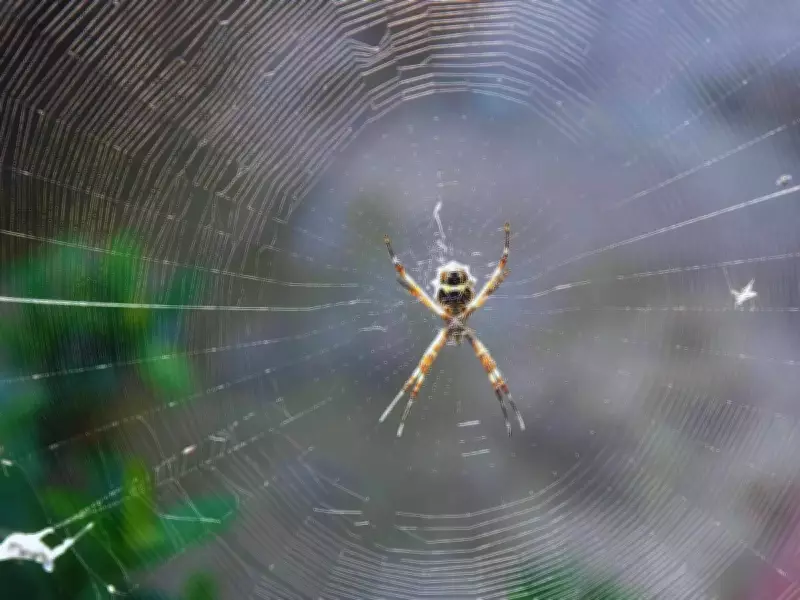
5 Effective Natural Strategies to Deter Spiders from Your Home and Garden
Spiders are a frequent and unwelcome presence in many Indian households, particularly during the monsoon season when rising humidity levels drive these multi-legged creatures indoors. While most spiders in India are non-venomous and beneficial for controlling pests, their indoor presence raises hygiene concerns and can be unsettling for residents. Fortunately, there are numerous safe, effective, and environmentally responsible methods to manage spider populations without resorting to harsh chemical pesticides. This article explores five proven techniques to keep your living spaces spider-free.
1. Seal All Entry Points to Prevent Infiltration
Prevention is always superior to cure when it comes to pest control. One of the most straightforward and efficient ways to safeguard your home from spiders is by meticulously sealing all potential entry points. Spiders typically gain access through small cracks, gaps around doors and windows, ventilation openings, and even drainage outlets. It is crucial to inspect walls, windows, and other structural elements regularly for any signs of damage. Installing fine mesh screens on windows and vents can provide an additional layer of protection, effectively blocking spiders while allowing airflow.
2. Utilize Spider-Repellent Plants in Your Garden
To naturally deter spiders from your garden, consider incorporating plants known for their repellent properties. Plants such as Tulsi (holy basil), mint, lavender, and rosemary emit strong scents that spiders find unpleasant. By strategically placing these aromatic plants near windows, balconies, and garden borders, you can create a natural barrier that discourages spiders from entering your home. This method not only enhances your garden's aesthetics but also promotes a chemical-free environment.

3. Optimize Garden Lighting and Maintenance
Outdoor areas often serve as primary habitats for spiders, making proper garden management essential for long-term control. Maintain a clean and clutter-free garden by regularly removing leaf litter, unused materials, and debris that can provide hiding spots for spiders. Ensure that plants and creepers do not come into direct contact with exterior walls, as this can facilitate spider entry. Additionally, consider using yellow or warm LED lights for outdoor illumination, as these are less attractive to insects that spiders prey on, thereby reducing spider activity.
4. Apply Natural Sprays and Repellents
If spiders have already infiltrated your home, natural sprays offer a safe and effective solution. Spiders are highly sensitive to strong fragrances and tend to avoid areas treated with such scents. Unlike chemical pesticides, these natural alternatives pose minimal risks to children and pets. A simple yet powerful remedy involves a mixture of vinegar and water; spraying this solution on windows, doorways, and entry points disrupts spiders' sensory trails, discouraging them from returning. Alternatively, essential oil sprays using peppermint or eucalyptus oil can be equally effective when applied regularly.
5. Maintain a Clutter-Free and Well-Ventilated Home
Spiders thrive in cluttered, dusty environments where they can easily build webs. Regular cleaning is paramount to reducing their ability to establish colonies. Implement routine vacuuming and dusting, with particular attention to ceilings, corners, and other secluded areas. Promptly removing cobwebs as soon as they appear prevents spiders from reoccupying the same locations. Additionally, ensure proper ventilation in moisture-prone areas like bathrooms and kitchens, as this helps create an inhospitable environment for spider activity.
By adopting these five natural strategies, you can effectively manage spider populations in your home and garden while prioritizing safety and environmental sustainability. These methods not only address immediate concerns but also contribute to long-term pest control and enhanced hygiene.