Natural Solutions: Flowering Plants That Deter Lizards from Your Home
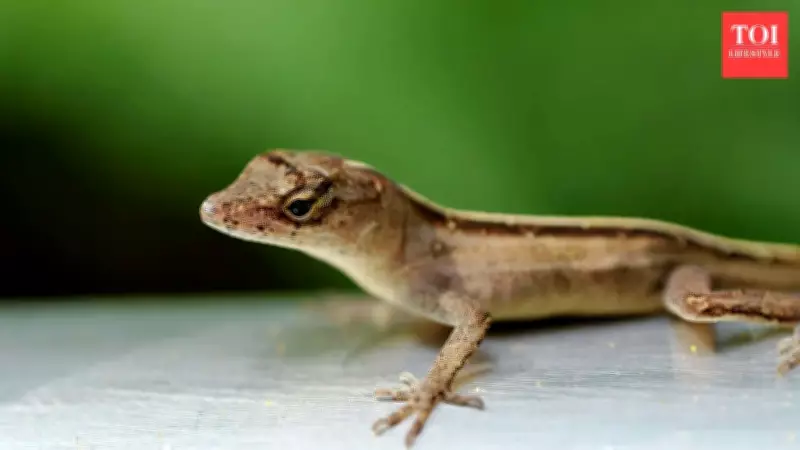
Spotting a lizard on your wall can instantly disrupt your peace. One moment you are relaxed, the next you are wondering how this uninvited guest found its way into your living space. While chemical sprays and repellents are available, many homeowners prefer natural alternatives, especially in areas frequented by children or in kitchens where food is prepared.
The good news is that certain flowering plants offer a dual benefit: they enhance your home's aesthetics while naturally discouraging lizards. These plants do not provide an overnight miracle, but they can significantly reduce lizard presence by making your environment less appealing to them.
1. Marigold: Vibrant Blooms with a Subtle Deterrent Effect
Marigolds are widely popular for their bright yellow and orange flowers that effortlessly brighten any space. Beyond their visual appeal, these plants emit a slightly strong fragrance that many insects find unpleasant. Since lizards often inhabit areas with abundant insect populations, reducing bugs can indirectly deter lizards by cutting off their food supply.

Place marigolds near windows, balconies, or other spots where lizards have been observed. They are easy to grow and add a lively touch to your home decor, making them a practical and attractive choice.
2. Lavender: A Calming Scent That Lizards Avoid
Lavender is cherished for its relaxing aroma, commonly used in essential oils, candles, and skincare products. However, this same fragrance is overpowering for lizards and many insects. By positioning lavender plants near doors or windows, you can help repel bugs, thereby reducing the likelihood of lizards lingering in those areas.
As an added bonus, your room will benefit from a soothing, spa-like scent, creating a pleasant atmosphere while addressing pest concerns.
3. Chrysanthemum: Beautiful Flowers with Natural Insect-Repelling Properties
Chrysanthemums are known for their full, colorful blooms that instantly elevate any setting. These flowers contain natural compounds called pyrethrins, which are commonly used in insect repellents. While you admire their beauty, chrysanthemums work quietly to keep bugs at bay, which in turn makes the area less attractive to lizards.
Ideal for balconies or spaces where insects tend to gather, chrysanthemums come in a variety of colors, serving both decorative and functional purposes.
4. Geranium: Low-Maintenance Plants with a Pleasant Fragrance
For those seeking a simple and fuss-free option, geraniums are an excellent choice. These plants have a distinct yet not overpowering smell that helps keep insects and small pests away. This natural repellent effect extends to lizards, making your home less inviting to them.
Geraniums thrive in pots, require minimal attention, and add a soft, colorful accent to your living space. Position them near windows or corners where lizards have been spotted for best results.
5. Mint Flowers: A Strong Scent That Deters Lizards
Mint is typically celebrated for its leaves, used in culinary delights like chutneys and beverages. However, when mint flowers bloom, they release a strong, sharp aroma that lizards tend to avoid. This makes mint an effective natural deterrent.
Mint is incredibly easy to grow, even in small pots placed in kitchens or balconies. Beyond pest control, you will always have fresh mint leaves on hand for teas, drinks, or cooking, adding practicality to its benefits.
How These Plants Work to Repel Lizards
The mechanism behind these plants' effectiveness is straightforward. Lizards are often attracted to homes because of the presence of insects, which serve as their primary food source. By introducing plants that naturally repel bugs, you reduce the availability of food, making your home less appealing to lizards.
Additionally, strong scents from plants like lavender and mint can be uncomfortable for lizards, encouraging them to steer clear of those areas. This combination of reducing insect populations and creating an unwelcoming olfactory environment helps keep lizards at bay.

Practical Tips for Maximizing Effectiveness
It is important to note that these plants are not a magical solution. They function as helpful aids rather than complete remedies. For optimal results, combine their use with basic household practices:
- Maintain cleanliness by regularly cleaning your space.
- Avoid leaving food crumbs or spills unattended.
- Address damp or moist areas that might attract pests.
- Seal small cracks or gaps in walls to prevent entry.
By integrating these habits with the strategic placement of repellent plants, you can significantly reduce the number of unwanted lizard visitors over time.
Conclusion: Embracing Natural Solutions for a Lizard-Free Home
Dealing with lizards can be frustrating, but harsh chemicals are not always necessary. Incorporating specific flowering plants into your home decor offers a natural, aesthetically pleasing way to address the issue. These plants freshen your space, enhance visual appeal, and quietly contribute to pest control.
When selecting plants for your home, consider options that offer more than just beauty. A house that smells delightful, looks inviting, and has fewer lizards is an achievable goal with the right natural strategies.