10 Foods That Were Once Illegal Around the World: The Surprising Reasons Behind Their Prohibition
Food serves as a powerful symbol of culture, tradition, and comfort across civilizations. However, what's considered a gourmet delicacy in one society might be strictly prohibited in another due to safety concerns, cultural norms, or environmental impacts. The global landscape of food regulations reveals fascinating stories of prohibition that highlight how different societies approach what we consume.
From poisonous fish to everyday ingredients, numerous foods have faced legal restrictions in various parts of the world. These bans often stem from health risks, environmental concerns, or cultural differences that make certain foods unacceptable in specific regions. Understanding why these foods were banned provides valuable insight into international food safety standards and cultural attitudes toward consumption.
Durian: The Fruit Banned for Its Powerful Odor
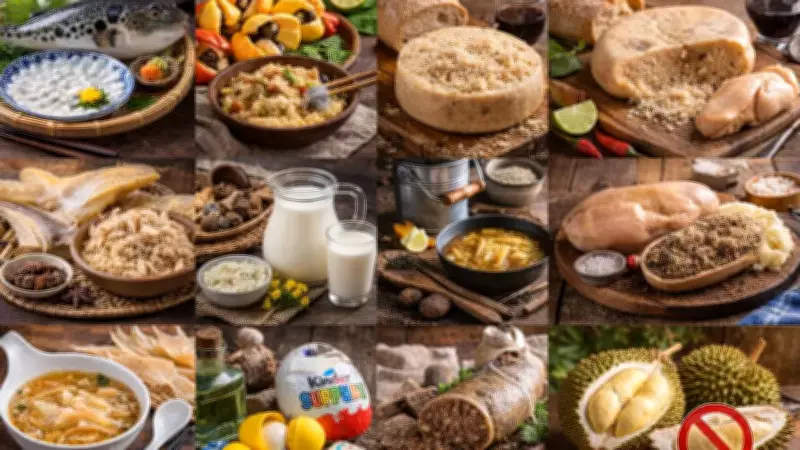
The notorious durian fruit, famous for its distinctive and powerful aroma, faces restrictions in numerous public spaces throughout Asia. While consuming durian isn't illegal, its strong smell has led to bans in hotels, public transportation systems, and other shared environments where the odor might disturb others. This represents a unique case where a food's sensory characteristics rather than its safety profile prompted regulatory action.

Poppy Seeds: Restricted Due to Narcotic Associations
Poppy seeds, commonly used in various culinary traditions, have faced legal restrictions in several countries because of their connection to the opium poppy plant. Despite being used primarily for culinary purposes, the association with narcotic production has led some nations to implement bans or strict controls on poppy seed imports and usage, demonstrating how food regulations can intersect with drug control policies.
Haggis: The Scottish Dish Barred from American Tables
Traditional Scottish haggis has encountered import prohibitions in the United States due to its inclusion of sheep's lung in the recipe. American food safety regulations specifically prohibit the use of sheep lungs in food products, creating a barrier for this cultural dish despite its popularity in Scotland. This case illustrates how ingredient-specific regulations can prevent traditional foods from crossing international borders.
Kinder Surprise Eggs: Chocolate Treats Deemed Dangerous
Kinder Surprise eggs faced a lengthy ban in the United States because they contain small toys encased within chocolate shells. American food safety authorities considered these toys potential choking hazards for children, leading to prohibition under regulations designed to protect young consumers. This demonstrates how packaging and presentation can trigger food bans independent of the actual food's safety.
Raw Milk: Controlled Due to Bacterial Risks
Unpasteurized raw milk has been strictly regulated or banned in many countries because it may contain harmful microorganisms like Salmonella and E. coli. The pasteurization process, which heats milk to eliminate pathogens, is mandatory in numerous regions to ensure milk safety. This represents a classic example of food safety regulations addressing microbial contamination risks.
Shark Fin Soup: Banned for Environmental Protection
Shark fin soup has faced increasing restrictions worldwide due to environmental concerns about overfishing and declining shark populations. The practice of finning—cutting off sharks' fins and discarding the rest of the animal—has drawn particular criticism for its wastefulness and cruelty. These bans highlight how environmental sustainability concerns can influence food regulations.
Foie Gras: Controversial Due to Animal Welfare Issues
Foie gras, made from the enlarged livers of force-fed ducks or geese, has been banned in several countries because of animal welfare concerns. The practice of force-feeding birds to fatten their livers has sparked ethical debates and regulatory action in various jurisdictions, showing how animal treatment considerations can lead to food prohibitions.

Casu Marzu: The Insect-Infested Cheese
Casu marzu, a traditional Sardinian cheese containing live insect larvae, has been prohibited under European Union food safety regulations. While considered a delicacy in some Italian regions, the presence of larvae violates hygiene standards established to protect consumer health. This case demonstrates how traditional fermentation practices can conflict with modern food safety requirements.
Ackee: The Fruit That Requires Perfect Timing
Ackee, a popular fruit in Jamaican cuisine, contains dangerous compounds when unripe that can cause serious illness or even death. Strict regulations control its import and sale in many countries to ensure only properly ripened ackee reaches consumers. This represents a food ban based on precise timing and preparation requirements rather than complete prohibition.
Fugu: The Deadly Japanese Delicacy
Fugu, prepared from pufferfish containing a potent neurotoxin, ranks among the world's most dangerous foods. In Japan, only specially licensed chefs may prepare fugu due to the risk of paralysis or death from improper preparation. This represents one of the most stringent food regulations globally, focusing on preparation expertise rather than outright prohibition.
These ten examples demonstrate how food regulations vary dramatically across cultures and jurisdictions. From safety concerns and environmental protection to animal welfare and cultural preferences, multiple factors influence what foods become prohibited in different parts of the world. As global food systems continue to evolve, these regulations reflect ongoing negotiations between tradition, safety, ethics, and international trade considerations.