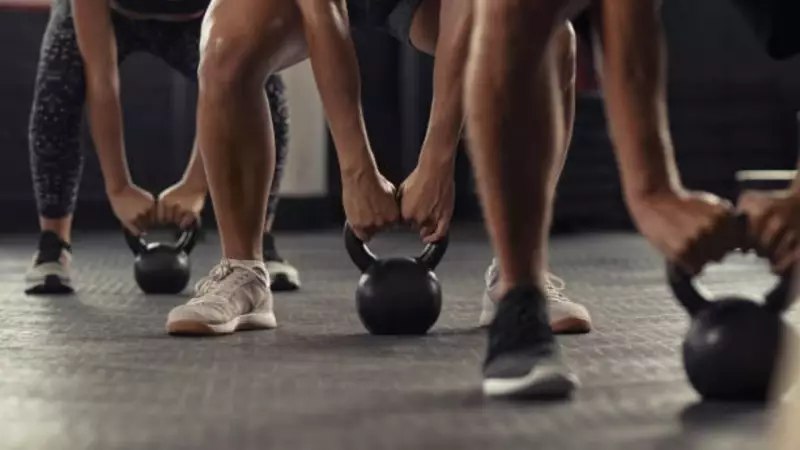
Walk into any modern gym in India today and you will immediately spot a noticeable change. Far fewer people are climbing onto stationary treadmills or elliptical trainers. Those intimidating weight machines that once dominated gym floors now stand mostly idle. Instead, fitness enthusiasts are embracing movements that appear refreshingly different.
The Rise of Functional Fitness
Kettlebells swing through the air with rhythmic precision. Medicine balls create satisfying thuds as they strike the floor. Bodies twist, bend, squat, and lunge in patterns that look surprisingly natural. This growing trend represents the functional fitness movement that is transforming how Indians approach physical exercise.
Dr. Rakesh Rajput, Director and Head of Orthopaedics at CK Birla Hospitals, CMRI, provides clear insight into this phenomenon. He explains that functional fitness trains the body to perform everyday movements with greater efficiency and safety. Unlike traditional gym workouts that isolate individual muscles using machines, functional training employs compound, multi-joint movements.

These exercises include squatting, pushing, pulling, twisting, and lifting. They closely mimic real-life activities while improving balance, coordination, flexibility, and joint stability. The primary goal shifts from aesthetic appearance to practical strength that supports daily tasks.
Why Machines Are Losing Popularity
Traditional exercise machines operate in a fundamentally limited way. They typically guide users through single-plane motions while seated or supported. This approach leaves many muscles inactive and fails to engage the body's natural coordination systems.
Functional exercises demand complete bodily coordination. Your core muscles must stabilize your movements. Your arms and legs need to work in synchronized harmony. Balance becomes an essential component rather than an afterthought. While these workouts prove challenging, they deliver a unique satisfaction that many find missing in machine-based routines.
Common Questions About Functional Training
Weight Loss and Muscle Building Effectiveness
Dr. Rajput clarifies that functional fitness can be effective for weight management and muscle development, though it works differently than machine training. Functional workouts engage multiple muscle groups simultaneously, increasing overall energy expenditure.
While machines excel at targeted muscle strengthening, functional training builds practical strength that supports movement patterns and endurance. Initial changes might not be visually dramatic. Many practitioners first notice improvements in stamina, control, and movement quality. The muscle gains achieved through functional training tend to be more applicable to daily life, which often enhances long-term commitment.
Age and Health Considerations
According to Dr. Rajput, there are no strict age limitations for functional training. The deciding factors involve individual health status and previous activity levels rather than chronological age.
Individuals who have been inactive for extended periods or who have existing medical conditions should avoid aggressive beginnings. Proper exercise modification, gradual progression, and technique emphasis prove more important than heavy loading. When these principles are respected, functional training can benefit people across various age groups.
Addressing Joint Concerns
People with back, knee, or other joint issues can frequently benefit from functional fitness. Strengthening muscles surrounding joints typically improves structural support and stability.
Problems generally arise when movements are performed hastily or without proper supervision. For individuals with joint concerns, low-impact movements, controlled pacing, and postural awareness become particularly important. Core engagement and movement control play crucial roles. Professional guidance often makes a significant difference in these situations.
Avoiding Common Transition Mistakes
Dr. Rajput identifies several frequent errors people make when switching from machines to functional workouts. The most common involves attempting too much too soon. Complex movements are often tried before establishing basic strength or mobility foundations.

Many individuals skip proper warm-ups, ignore alignment principles, and prioritize speed over control. These practices increase injury risks significantly. Starting with simple movements and allowing adequate adaptation time proves essential. Functional training should not be rushed. It delivers better results when capacity develops gradually through consistent practice.
The Changing Fitness Mindset
Modern exercisers are increasingly rejecting the concept of "exercise for exercise's sake." They seek practical strength that translates to real-world capabilities. They want workouts that feel dynamic and engaging, that challenge both mind and body simultaneously, and that leave them feeling exhausted yet empowered.
This evolving fitness philosophy finds its perfect expression in functional training. As more Indians discover these benefits, gym landscapes continue transforming across the country. The movement represents not just a passing trend but a fundamental shift in how people approach physical wellbeing and practical strength development.