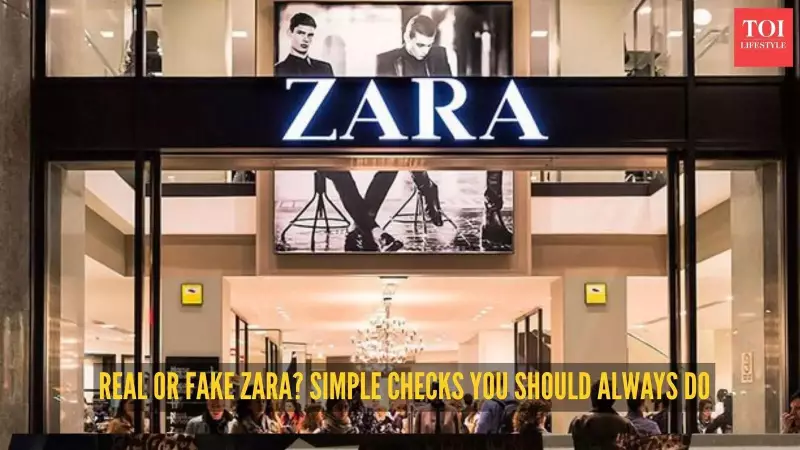
The Zara Phenomenon and Its Counterfeit Shadow Market
For fashion enthusiasts worldwide, spotting that distinctive "Zara" tag brings an undeniable thrill. The Spanish retail powerhouse has perfected the art of delivering runway-inspired aesthetics at accessible price points, making high-fashion looks attainable without draining bank accounts. This widespread popularity, however, has spawned a concerning parallel economy. Counterfeit Zara items are proliferating across physical marketplaces and digital thrift stores, with some imitations appearing alarmingly authentic.
Consumers often believe they're securing bargains on pre-owned jackets or "factory surplus" merchandise, but many are unwittingly purchasing inferior knockoffs bearing stolen branding. Before completing that online purchase or exchanging money at a street vendor, equipping yourself with verification techniques becomes essential. We've compiled comprehensive guidance from style experts to help you differentiate genuine Zara products from sophisticated counterfeits.
1. Mastering Logo Examination: Your First Authentication Checkpoint
The devil resides in the minutiae, and with Zara merchandise, the brand logo serves as your primary authentication tool. Authentic garments typically feature the brand name meticulously sewn into the interior lining, frequently accompanied by "Spain" designation honoring its heritage. This application feels intentional and seamlessly integrated with the clothing construction.

Counterfeit operations often demonstrate carelessness in this critical area. Should you encounter logos that appear merely pasted or haphazardly printed on the garment's upper interior, immediate suspicion is warranted. Scrutinize the typography closely—fake manufacturers commonly mishandle the distinctive 'Z' character. When letter alignment appears irregular, or characters seem improperly spaced in ways that disturb visual harmony, reconsider your purchase. Authentic Zara products don't aggressively announce their branding; they communicate quality through subtle, refined presentation.
2. Analyzing Stitching Quality: The Hidden Construction Marker
Invert your garment completely for thorough inspection. Zara's global retail dominance stems not merely from trend responsiveness but from consistently respectable construction standards within the fast-fashion sector. Their side stitching exemplifies this commitment to quality.
On legitimate Zara items, stitching appears streamlined, discreet, and nearly imperceptible from the exterior because interior finishing receives meticulous attention. Counterfeit products rarely replicate this precision due to time constraints and inadequate manufacturing capabilities. Visible, irregular stitching lines along garment sides or escaping loose threads typically indicate counterfeit merchandise. The "invisible" seam finish represents an authentic Zara characteristic—when stitching demands attention through poor execution, you're likely examining an imitation.
3. Deciphering Packaging Details: The Online Shopper's Verification Tool
This authentication method proves particularly valuable for digital purchases. Zara embraces minimalist design philosophy, with packaging often showcasing understated elegance—simple cardboard featuring crisp white "Zara" branding. However, the definitive authentication element isn't the box exterior but the informational details contained within.
Examine packaging reverses thoroughly. Legitimate deliveries include comprehensive tags on packaging backs displaying information that corresponds exactly with interior clothing labels and your order documentation. Counterfeit operations frequently utilize generic packaging, anticipating customers won't verify specific details. When numerical data shows discrepancies or product descriptions appear vague and inconsistent, you've likely encountered fraudulent merchandise.
4. Conducting Material Assessment: The Tactile Authentication Test
Ultimately, trust your tactile senses. Zara established its fashion empire partially through distinctive material textures that emulate luxury fabric experiences. Even their synthetic blends possess characteristic finishes that counterfeiters struggle to replicate accurately.

Fake garments often feel abrasive, rigid, or unmistakably inexpensive. If fabric draping appears unnatural or material feels potentially heat-sensitive, immediately reject the item. Fashion represents personal expression, but nobody desires to communicate "I fell victim to counterfeit fraud." Retain these verification strategies as essential shopping companions to make informed, secure fashion purchases.