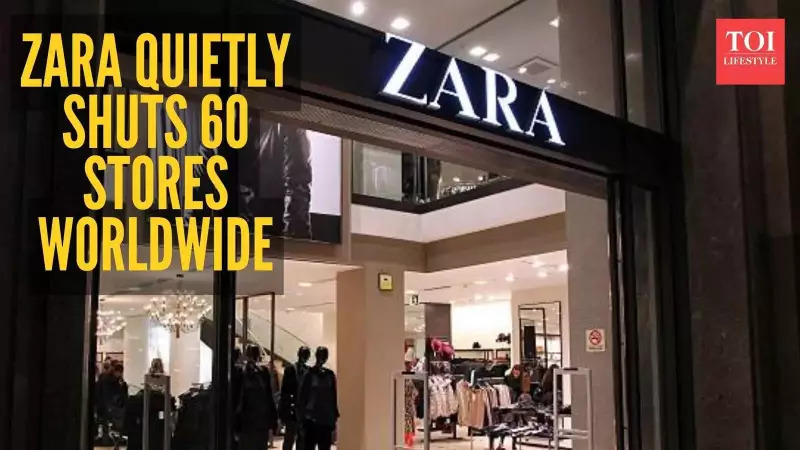
In a significant but unannounced strategic shift, Spanish fashion behemoth Zara has been quietly reducing its global retail footprint. Over the past year, the brand has shuttered dozens of its stores worldwide, even as its parent company reports robust financial health and rising sales.
The Quiet Contraction: Store Closures Without Fanfare
Between October 2024 and October 2025, approximately 60 Zara outlets ceased operations, as revealed in the latest financial report from its parent group, Inditex. Despite the scale of this move, it was not a central topic during the company's recent third-quarter earnings call. Inditex CEO Óscar García Maceiras did not directly address the closures, instead choosing to highlight the positive performance of Zara and its sibling brands.
The company has maintained a discreet stance, not publicly disclosing the exact locations of the closures or the specific reasons behind shutting each one. However, a strategic clue was provided. Inditex indicated that some closures are part of a deliberate plan to make space for standalone Zara Man stores. A prominent example is in Osaka, Japan, where an existing Zara store is currently being transformed into a dedicated Zara Man space.

A Strategy of Focus Over Spread
CEO Maceiras hinted at a broader strategic vision behind these moves. The goal appears to be moving away from a wide but thin presence. Instead, Zara is focusing on establishing a stronger foothold in prime, high-traffic locations and is actively exploring opportunities in new cities and markets. The new mantra seems to be: fewer stores, but larger and more strategically focused outlets.
This restructuring comes at a pivotal time for the fast-fashion industry, which is facing increasing scrutiny over its environmental impact. Reports, including those from consulting giant McKinsey, underscore the industry's waste problem, noting that nearly 60% of all garments produced end up in landfills or are incinerated within a short time.
Navigating a Changing Consumer Landscape
This environmental reality is resonating strongly with younger consumers. Millennials and Gen Z shoppers are growing more conscious of sustainability, with many identifying fashion as a key contributor to climate change. The traditional fast-fashion model of constant consumption and disposal is becoming less appealing to this influential demographic.
Despite these industry headwinds and its own store rationalization, Zara's business momentum shows no signs of slowing. Inditex's financial data tells a story of resilience. As the group entered the fourth quarter of its 2025–26 financial year, it recorded a sales surge. Combined in-store and online sales across all Inditex brands, including Zara, Zara Man, and Zara Home, grew by over 10% between November 1 and December 1.
In essence, while Zara's physical footprint is undergoing a deliberate and quiet contraction, its commercial engine is performing powerfully. The brand is strategically trimming, reshaping, and adapting its retail model to thrive in an increasingly complex and sustainability-conscious global fashion market.