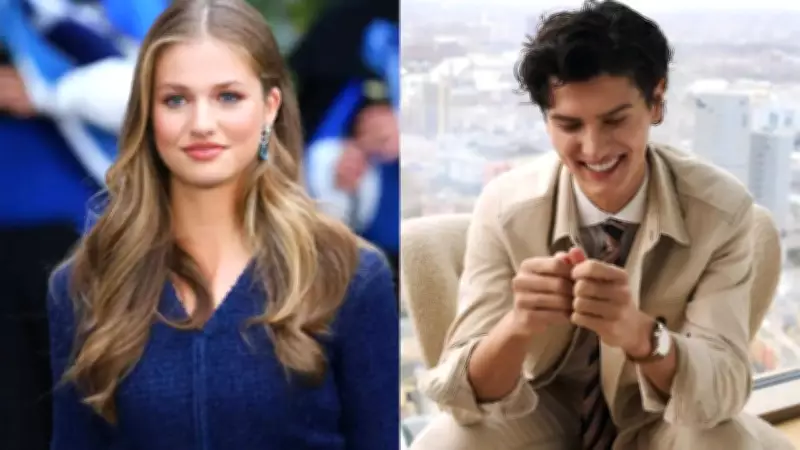
The Evolution of Royal Fashion: From Tradition to Authenticity
For generations, royal fashion adhered to a predictable formula: structured coats, conservative colors, and ceremonial attire designed to maintain decorum rather than spark conversation. This approach prioritized discretion over personal expression, creating a visual language of distance and formality. However, a significant transformation is underway as a younger cohort of European royals reimagines how monarchy presents itself through clothing.
These emerging figures are crafting a contemporary royal aesthetic characterized by relaxed tailoring and genuine moments of individuality that appear natural rather than orchestrated. In an exclusive interview with the Times of India, Leanna Spektor, Co-Founder and Style Expert at Brand House Direct, observed, "This evolution mirrors broader societal shifts in how influence operates today. Historically, royal style represented distant aspiration; now, audiences gravitate toward choices that feel deliberate and authentic."
Academic Insights into Modern Royal Style
A groundbreaking 2026 study published in the Journal of Consumer Culture reveals that contemporary audiences respond more powerfully to authenticity indicators—such as repetition, informality, and perceived relatability—than to conventional symbols of status or exclusivity. This research substantiates the claim that royal fashion is transitioning from remote aspiration to accessible, authentic expression, perfectly aligning with how younger royals are curating their public personas today.

Profiles of the New Royal Fashion Icons
Princess Leonor of Spain: Balancing Tradition and Modernity
Princess Leonor's wardrobe serves as a visual extension of her future role as queen. Her military uniform appearances project discipline and purpose, while her civilian outfits demonstrate a sophisticated understanding of balance. Early public appearances featured youthful silhouettes like frilled minidresses with espadrilles, which have matured into longer hemlines, bouclé skirt suits, and confident midi dresses in rich colors.
Her distinctive preference for pointed kitten heels provides polish without theatricality. Even her bolder choices, such as a vibrant pink trouser suit, feel genuinely playful rather than contrived. Spektor notes, "Leonor's style succeeds because it evolves alongside her. Each wardrobe phase mirrors her life stage, creating an authentic fashion narrative. Off-duty, her relaxed shirts, white denim, and simple color palettes contribute to a modern European sensibility."
Princess Elisabeth of Belgium: Master of Contextual Dressing
Princess Elisabeth's style excels through deliberate contrast. She effortlessly transitions from cycling in trainers and cargo trousers to wearing elegant caped gowns at royal weddings. This versatility has become her signature strength. Her student wardrobe features recognizable high-street labels, wide-leg jeans, and subtle accessories that feel spontaneous and current.
Conversely, her formal attire embraces bold colors and striking silhouettes, from vivid red dresses to commanding eveningwear. Spektor emphasizes, "Elisabeth possesses exceptional contextual awareness. She dresses precisely for each occasion, and this adaptability enhances her influence." Her seamless integration of luxury brands like Dior and Dries Van Noten with accessible options like Zara and Ba&Sh reflects a generation prioritizing expression over hierarchy, resulting in a contemporary and confidently understated wardrobe.
Prince Christian of Denmark: Scandinavian Refinement
Prince Christian's personal style is still developing, but early indications reveal a strong grasp of modern royal dressing. Recent official portraits show him equally at ease in black tie and casual denim, consistently favoring clean lines and minimalist styling. His aesthetic aligns with Scandinavian design principles: practical, refined, and understated, devoid of theatricality or excess.
Spektor comments, "For young male royals, restraint often proves most effective. Christian's style exudes calm assurance, precisely what people anticipate from a future monarch."

Prince Jacques of Monaco: Youthful Charm and Approachability
Despite being only eleven years old, Prince Jacques has already demonstrated an instinct for endearing fashion moments. Whether wearing coordinated outerwear with his twin sister or casual knitwear with trainers, his looks blend polish with personality. Designer jackets and playful accessories are tempered by relaxed styling, fostering a warm and approachable public image.
Spektor explains, "Even at this young age, these choices are significant. They shape public connection with the next generation, and relaxed dressing plays a crucial role in that process."
Prince Nikolai of Denmark: Blending Tradition with Contemporary Fashion
Prince Nikolai distinguishes himself as a royal whose fashion identity extends beyond palace confines. With an established modeling career, he navigates the global fashion industry with ease, opening runway shows for prestigious brands like Dior and Burberry and starring in high-profile campaigns. His personal style favors tailored silhouettes updated with modern proportions.
Classic suiting remains foundational but is styled with fluidity rather than rigidity. Inspiration from his grandfather, Prince Henrik, infuses his look with heritage reinterpreted through a contemporary lens. A 2025 study in Fashion Theory: The Journal of Dress, Body & Culture, which influences 2026 discourse, found that elite figures increasingly maintain cultural relevance through carefully calibrated accessibility and everyday visual narratives rather than distance.
Spektor observes, "Nikolai exemplifies how tradition and trend can coexist. He respects classic tailoring while wearing it with a freedom that feels thoroughly current. His independence from full-time royal duties allows his fashion presence to appear self-directed, amplifying his appeal."
Lady Louise Windsor: Quiet Confidence and Heritage
Lady Louise Windsor's style narrative is one of understated assurance. Her fashion evolution has been gradual, marked by thoughtful re-wears, family heirloom accessories, and a clear preference for British designers. From elegant coats at Sandringham to floral dresses at state occasions, her wardrobe feels deeply rooted in tradition.
She frequently incorporates pieces from her mother's wardrobe, reinforcing familial continuity. During equestrian events or university gatherings, her outfits become more relaxed, favoring blazers, scarves, and practical layers. A 2026 report by McKinsey & Company and Business of Fashion revealed that consumers are prioritizing authenticity, versatility, and personal expression over formal luxury signaling, particularly among younger audiences.
Spektor notes, "Louise's appeal stems from her restraint. She never dresses for attention, and this authenticity resonates profoundly."
The Broader Impact of This Fashion Transformation
Royal fashion influence has become significantly more nuanced than in previous eras. Younger royals are shaping style through consistency and character rather than spectacle. This shift holds substantial importance for the fashion industry because contemporary influence is built on trust. When a royal re-wears an outfit, selects accessible brands, or dresses in a manner reflecting real life, it forges connections that exclusive luxury moments cannot achieve alone.
This quieter, more authentic approach is establishing the tone for how modern monarchy is endeavoring to shed its historically distant and unapproachable image. The convergence of academic research, industry analysis, and real-world royal styling demonstrates a fundamental redefinition of regal fashion—one where authenticity and relatability are becoming the new hallmarks of royal influence.