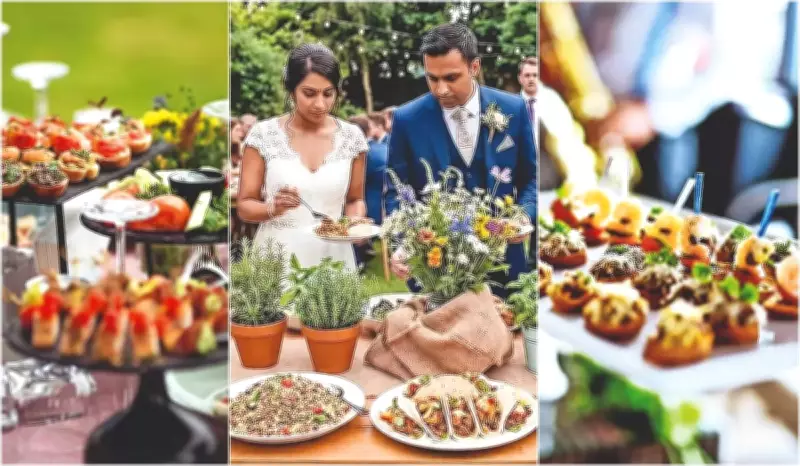
Vegan Wedding Menus Rise as Luxury Statement in India, Say Catering Experts
Out of all the wedding planning tasks on your agenda, finalizing your menu stands as one of the more challenging decisions. For couples keen on serving a vegan spread—whether driven by personal dietary choices, sustainability concerns, or simple curiosity—menu planning comes with extra questions and considerations. Can a vegan menu truly feel indulgent and celebratory? Will guests miss traditional elements like ghee, paneer, and cream? And can plant-based food hold up effectively at the large scale required for weddings?
According to chefs and catering experts across India, the answer is a resounding yes. With thoughtful planning and clever ingredient swaps, vegan wedding menus are no longer viewed as merely "alternative"—they have become aspirational and sophisticated choices for modern celebrations.
Luxury Without the 'Alternative' Label
For high-end weddings, vegan food has evolved into a clear statement of personal values and refined style. Ashay Desai, assistant vice president at Catering Collective, notes that demand has risen sharply in recent years.

"Across 500-plus weddings and corporate events, we have witnessed a clear and significant shift towards elegant, plant-forward dining," he states. "Couples increasingly view vegan menus not as an alternative or compromise, but as a powerful statement of wellness, sustainability, and global culinary taste."
Experts emphasize that designing successful vegan menus begins with deeply understanding the couple's vision and preferences. "We focus intensely on creating a sense of abundance and indulgence," Desai explains. "This involves using artisanal plant-based cheeses, rich nut-based creams, and premium global ingredients. The core idea is never about simple substitution, but about crafting a compelling culinary story."
To ensure guests do not feel "experimented on," maintaining elements of familiarity is crucial. "Introduce innovation primarily through advanced cooking techniques and stunning presentation," he advises.
Smart Swaps That Work Reliably at Scale
One of the biggest misconceptions surrounding vegan wedding food is that it relies excessively on fragile or niche substitutes that fail in large quantities. Vegan chef Natasha Gandhi counters this by highlighting the importance of selecting robust ingredients.
"My two favorite and most reliable swaps for traditional ghee are extra virgin olive oil and roasted sesame oil," she says. "Both provide that essential warmth and richness, and they scale beautifully in large kitchen operations."
For creating creamy gravies and sauces, nut-based pastes prove far more reliable than many assume. "Cashew, almond, or even melon seed pastes work exceptionally well for texture and flavor," Gandhi explains. "For low-fat requirements, whipped soy yogurt serves as an excellent alternative." Paneer-heavy menus, a staple in many Indian weddings, can be creatively reimagined using options like "homemade watermelon seed paneer or high-quality, firm tofu."
Sustainability Extending Beyond the Plate
A well-planned vegan menu can significantly reduce a wedding's environmental footprint, adding an ethical dimension to the celebration. "Plant-forward dining inherently uses fewer natural resources, leading to lower greenhouse gas emissions and substantially reduced water usage," notes Ashay Desai.
Chef Vrinda Taneja, founder of V's Supper Stories, adds that true sustainability starts with conscientious sourcing. "Utilizing seasonal, locally grown produce not only enhances flavor but also reduces the overall carbon footprint," she says. "Implementing portion-controlled service, establishing composting systems, and forming partnerships for food donation further help in dramatically cutting down waste."
Regional Cuisines That Naturally Facilitate Vegan Menus
Couples often worry that vegan menus might feel restrictive or unfamiliar, but several Indian regional cuisines are naturally plant-forward, requiring minimal adaptation. "For Indian weddings, Gujarati, Rajasthani, and Kerala Sadya cuisines lend themselves beautifully to vegan interpretations," explains Chef Vrinda Taneja.

Gujarati shaaks (vegetable dishes), various lentils, and farsan (snacks) typically use oil instead of ghee, needing only slight tweaks. Rajasthani dishes like ker sangri, gatte, and bajra roti are inherently dairy-free, deeply rooted in hardy grains and protein-rich legumes.
"The traditional Kerala Sadya feast is already essentially vegan in its core composition," she adds. "Coconut-based dishes such as thoran, olan, erissery, and avial offer incredible abundance and flavor depth without any dairy—though it is acknowledged that these distinct flavors may not appeal to every palate."
The Delicate Art of Vegan Mithai and Desserts
Desserts remain a sensitive and crucial area for many families, but chefs confirm that traditional Indian sweets can adapt surprisingly well to vegan requirements.
"Almond milk, rich coconut milk, and smooth cashew paste serve as the most reliable dairy-free bases for mithai," says chef Natasha Gandhi. "India already boasts a heritage of naturally vegan sweets like the popular motichoor ladoo."
She adds that classic favorites can be lovingly recreated with careful technique. "I have successfully developed vegan versions of gulab jamun and rasmalai—the rasmalai, for instance, can be made using almond milk and aromatic cardamom to perfectly recreate that familiar, comforting aroma."
Appetizers Designed to Please Every Palate
Starters and appetizers are often where sceptical guests are first won over. Gandhi recommends offering a balanced variety to cater to diverse tastes. "For weddings, I typically suggest a mix of two Indian, two international, and two fusion-style vegan appetizers," she says.
Her crowd-pleasing favorites include crispy lotus stem fries, chutney-stuffed sweet potato tikki, delicate mushroom galouti kebabs, and Thai-style tofu satay. "Ingredients like lotus stem, earthy mushrooms, cauliflower, and rajma (kidney beans) feel inherently indulgent and familiar, which is psychologically important in a celebratory wedding setting."
Ashay Desai, assistant vice president at Catering Collective, summarizes: "A vegan wedding menu can work effectively across various budgets, but true luxury in plant-based dining relies on premium produce, handcrafted artisanal cheeses, and sourced global ingredients. The final cost ultimately depends on how immersive and ingredient-led the culinary experience is—without ever compromising on sophistication, flavor, or style."
Chef Vrinda Taneja concludes with a practical note: "In large-scale wedding kitchens, the best vegan substitutes are those that perform reliably like traditional ingredients. Coconut milk, cashew paste, and cold-pressed oils offer excellent stability, while ingredients like tofu, jackfruit, and mushrooms hold their structure well on buffet lines—ensuring consistent flavor, appealing texture, and seamless scalability without ever making the food feel 'alternative' or lesser."