Fashion Diplomacy Takes Center Stage During Historic EU-India Trade Negotiations
As India and the European Union celebrated a significant breakthrough in their long-anticipated Free Trade Agreement negotiations, an unexpected element of cultural diplomacy quietly unfolded in New Delhi. Beyond the closed-door meetings and formal declarations, European Commission President Ursula von der Leyen made deliberate sartorial choices that spoke volumes about cross-cultural appreciation and respect.
Strategic Style Choices During High-Stakes Diplomacy
Throughout a week packed with intense negotiations and diplomatic engagements, President von der Leyen demonstrated remarkable awareness through her wardrobe selections. Rather than opting for conventional Western attire, she consciously allowed Indian fashion to guide her appearances, creating subtle yet powerful visual statements that complemented the diplomatic proceedings.
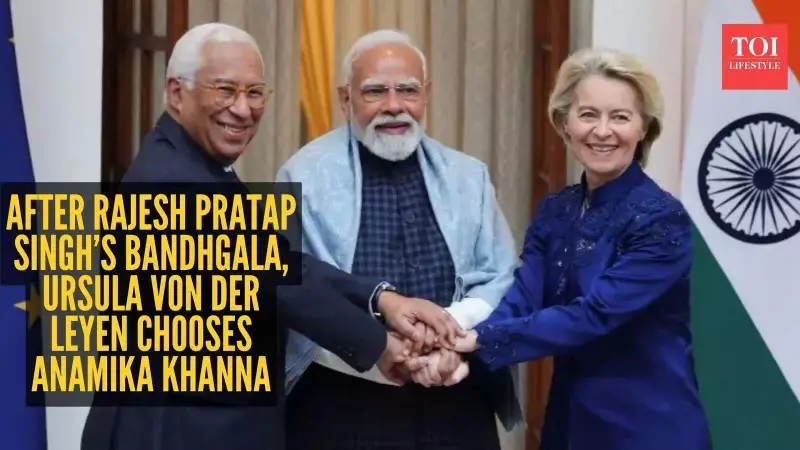
During her visit to Raj Ghat, the European leader wore a custom-designed creation by celebrated Indian designer Anamika Khanna, known for her innovative fusion of contemporary silhouettes with traditional Indian craftsmanship. The ensemble featured a sophisticated euro-blue silk satin bandhgala that exuded both calm confidence and refined elegance.

Artisanal Excellence on Display
The meticulously crafted outfit showcased delicate resham embroidery and intricate lace cut-outs with subtle three-dimensional detailing, demonstrating the exceptional skill of Indian artisans. Paired with crisp white trousers and complementary heels, the look maintained formal dignity while avoiding any sense of stiffness or rigidity, perfectly balancing diplomatic protocol with cultural sensitivity.
For the pinnacle event of her visit—the 77th Republic Day celebrations where she served as Chief Guest—von der Leyen selected an even more symbolically significant ensemble. She chose a dignified maroon bandhgala crafted from traditional Banarasi silk by renowned designer Rajesh Pratap Singh.
Cultural Significance Amplified on National Stage
This particular choice carried profound cultural weight, as Banarasi silk represents centuries of Indian textile heritage and artisanal excellence. Worn during one of India's most important national occasions, the outfit communicated respect for local traditions while projecting quiet authority and diplomatic grace. The rich maroon hue and traditional craftsmanship aligned perfectly with the ceremonial significance of Republic Day celebrations.
Industry Recognition and Global Impact
The fashion industry responded with enthusiastic appreciation for these thoughtful choices. The Fashion Design Council of India (FDCI) publicly acknowledged the significance of von der Leyen's sartorial decisions, describing them as a proud moment for Indian fashion on the international stage.
In social media posts shared across Instagram and Facebook platforms, the council highlighted how the European leader's selection of creations by both Rajesh Pratap Singh and Anamika Khanna represented a meaningful celebration of Indian craftsmanship, cultural heritage, and global relevance.
FDCI Chairman Sunil Sethi emphasized the deeper implications of these fashion choices, noting that seeing the European Commission President wear Indian designers during such a historic diplomatic visit carried substantial symbolic weight. He observed that this wasn't merely about personal style preferences but represented a significant acknowledgment of the artisans and weavers whose skilled work carries India's cultural legacy far beyond national boundaries.
Beyond Mere Aesthetics: The Language of Attire
In a week dominated by complex trade agreements and political agendas, these carefully considered fashion moments created lasting impressions that extended beyond typical diplomatic protocols. They served as powerful reminders that in international relations, visual communication and cultural respect can sometimes convey messages as significant as signed documents.

Von der Leyen's wardrobe selections demonstrated how fashion can function as a subtle yet effective tool of diplomacy, building bridges through cultural appreciation while maintaining professional decorum. Her choices highlighted the growing global influence of Indian design while reinforcing the importance of cultural exchange in strengthening international partnerships.
As India and the European Union move forward with their strengthened trade relationship, these fashion-forward moments will likely be remembered as elegant examples of how diplomacy extends beyond negotiation tables into all aspects of cross-cultural engagement.