

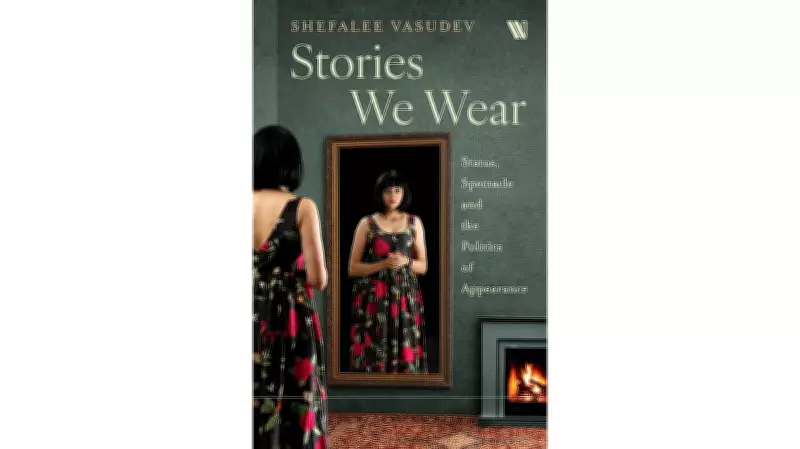
Stories We Wear Book Review: Exploring Fashion as a Narrative of Identity
The book Stories We Wear offers a profound examination of how fashion transcends mere aesthetics to become a powerful medium for storytelling. Authored by a renowned fashion critic, this work delves into the intricate ways clothing and accessories serve as vessels for personal and collective narratives. Through detailed analysis and engaging prose, the book argues that every garment we choose to wear carries layers of meaning, reflecting our identities, histories, and cultural contexts.
The Interplay of Fashion and Personal Expression
One of the central themes explored in Stories We Wear is the dynamic relationship between fashion and personal expression. The author illustrates how individuals use clothing as a tool to communicate their inner selves to the world. From the choice of colors and fabrics to the style of cuts and designs, each element contributes to a unique sartorial language. The book provides numerous examples, such as how traditional attire can signify heritage and pride, while contemporary fashion often signals modernity and individuality.
Moreover, the review highlights the book's emphasis on the psychological aspects of dressing. It discusses how fashion choices can influence self-perception and confidence, making clothing not just a covering but a form of empowerment. The author supports these points with insights from psychology and sociology, offering a well-rounded perspective on why we dress the way we do.

Cultural Histories Woven into Fabric
Beyond personal stories, Stories We Wear delves into the broader cultural histories embedded in fashion. The book traces the evolution of various clothing styles across different eras and regions, showing how they reflect societal changes, political movements, and economic shifts. For instance, it examines how wartime austerity influenced minimalist designs or how globalization has led to the fusion of traditional and modern elements in contemporary fashion.
The review notes that the author skillfully weaves together historical anecdotes with current trends, making the content both informative and relevant. Chapters dedicated to specific cultural garments, such as the kimono in Japan or the sari in India, are particularly praised for their depth and sensitivity. These sections not only educate readers about the origins and significance of these items but also explore their modern reinterpretations and global impact.
Critique and Analysis of Fashion's Role in Society
In its critical assessment, Stories We Wear does not shy away from addressing the complexities and controversies within the fashion industry. The book discusses issues such as sustainability, ethical production, and the impact of fast fashion on both the environment and labor practices. The author argues that understanding the stories behind our clothes can foster more conscious consumption and appreciation for craftsmanship.
The review appreciates how the book balances celebration with critique, offering a nuanced view that encourages readers to think critically about their fashion choices. It also highlights the inclusion of interviews with designers, artisans, and wearers, which add authenticity and diverse voices to the narrative. This approach enriches the book's exploration of fashion as a multifaceted phenomenon that intersects with art, commerce, and ethics.
Conclusion: A Must-Read for Fashion Enthusiasts and Scholars Alike
Overall, Stories We Wear is lauded as a compelling and insightful read that goes beyond surface-level fashion commentary. The book successfully demonstrates how clothing is imbued with stories that shape and are shaped by human experiences. Its blend of personal anecdotes, historical research, and critical analysis makes it accessible to a wide audience, from casual readers to academic scholars.
The review concludes by recommending the book to anyone interested in the deeper meanings of fashion. It emphasizes that Stories We Wear not only entertains but also educates, prompting reflection on how we use fashion to tell our own stories and connect with others in a rapidly changing world.






