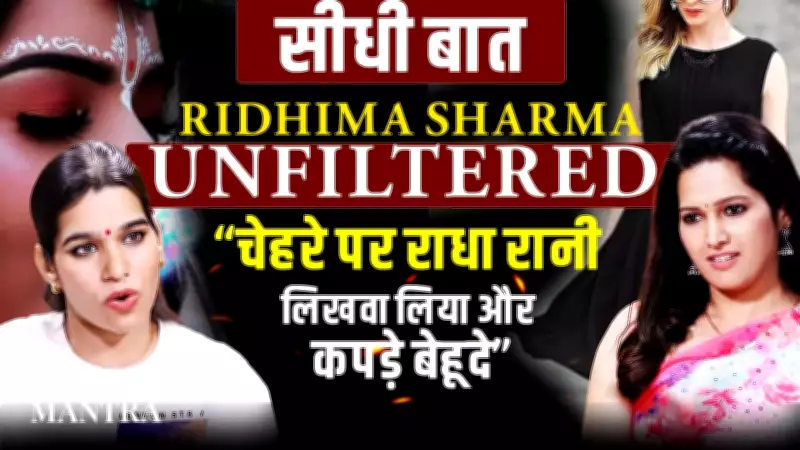
Ridhima Sharma's Unfiltered Take Ignites Debate on GRWM Trend and Social Media Culture
In a recent and candid statement, Ridhima Sharma has stirred up a significant controversy on social media platforms by openly criticizing the popular GRWM (Get Ready With Me) trend. She expressed strong disapproval of what she perceives as a growing culture of inappropriate fashion and excessive attention-seeking behavior online. Sharma's remarks have quickly gone viral, sparking heated discussions among netizens and influencers alike.
Questioning Fashion Choices and Religious Symbolism
Sharma specifically pointed to instances where religious symbolism is intertwined with revealing clothing in GRWM content, raising concerns about the ethical boundaries of fashion expression. She questioned the responsibility of influencers who create such content, emphasizing the potential impact on younger audiences and societal values. "When fashion crosses into disrespect, it's time to reflect," she implied in her comments, highlighting a need for more mindful content creation.
Mixed Reactions from Netizens and the Larger Conversation
The response to Sharma's statements has been polarized, with many users applauding her for speaking out against what they see as digital excess, while others defend creative freedom and personal expression. This debate taps into a broader conversation about the role of social media in shaping cultural norms, the balance between individuality and responsibility, and the influence of digital trends on real-world behavior. As one user noted, "It's not just about fashion; it's about the messages we broadcast to millions."

The Context Behind the Controversy
This incident underscores ongoing tensions in the digital age, where trends like GRWM blur the lines between entertainment, fashion, and social commentary. It raises important questions:
- How do influencers navigate the fine line between self-expression and social responsibility?
- What role should platforms play in moderating content that may be deemed inappropriate?
- How can audiences engage critically with viral trends without stifling creativity?
Sharma's unfiltered slams serve as a reality check, prompting a cultural talk that extends beyond mere style critique to deeper issues of values and digital influence.