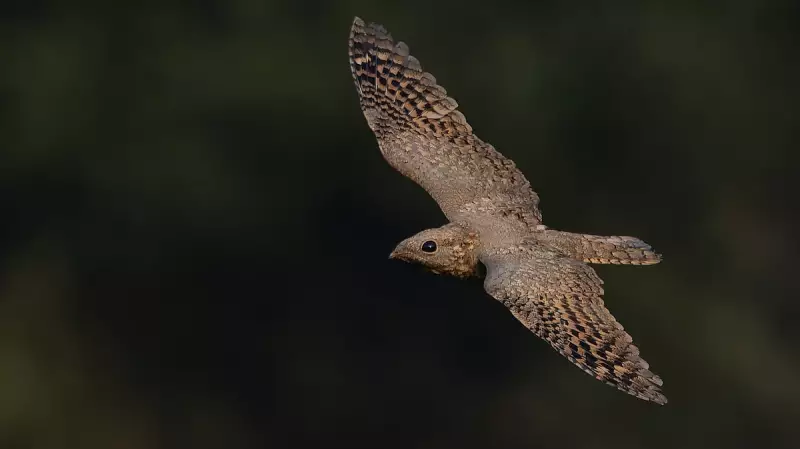
In an exciting development for India's birdwatching community, the elusive Sykes's Nightjar has been spotted for the first time in Mangaluru, marking a significant milestone in the region's ornithological records. The rare nocturnal bird was observed and documented by dedicated birdwatchers, creating waves of excitement among nature enthusiasts and conservationists alike.
Historic Discovery by Local Birdwatchers
The groundbreaking sighting occurred when a group of passionate birdwatchers made the remarkable discovery of this uncommon species in the coastal city. The Sykes's Nightjar (Caprimulgus mahrattensis) had never been formally recorded in this region before, making this observation particularly significant for scientific documentation and biodiversity mapping.
Birdwatchers employed careful observation techniques and proper documentation methods to confirm the identity of the species. The team took multiple photographs and made detailed notes about the bird's physical characteristics, behavior, and habitat preferences to ensure accurate identification. This meticulous approach helped establish the credibility of their rare find within the ornithological community.

Understanding the Elusive Sykes's Nightjar
The Sykes's Nightjar represents a fascinating species within the nightjar family, known for its exceptional camouflage and nocturnal habits. These birds typically inhabit dry, open landscapes and scrub forests, making their appearance in Mangaluru particularly noteworthy for understanding their habitat range and adaptability.
This medium-sized nightjar species displays distinctive physical features that experienced birdwatchers used to confirm its identity. The bird's plumage provides perfect camouflage against dry leaves and soil, while its large eyes are adapted for superior night vision. Their silent flight and ground-nesting habits make them particularly challenging to spot, even for seasoned bird enthusiasts.
Nocturnal by nature, these birds become active during dusk and dawn, feeding primarily on flying insects that they catch mid-air with their remarkably wide mouths. Their unique feeding habits and specialized physical adaptations make them important contributors to local ecosystem balance through natural insect control.
Conservation Significance and Future Implications
This first recorded sighting of Sykes's Nightjar in Mangaluru carries substantial implications for bird conservation and ecological understanding in the region. The discovery highlights the importance of continued biodiversity monitoring and suggests that the area may support more diverse wildlife than previously documented.
The presence of this rare species underscores the ecological value of preserving natural habitats in and around urban areas. As development continues in growing cities like Mangaluru, such findings emphasize the need for balanced urban planning that considers wildlife conservation and habitat protection.
Birdwatching communities and conservation organizations view this discovery as an opportunity to enhance public awareness about local biodiversity. The sighting demonstrates how citizen science and amateur naturalists can contribute valuable data to scientific knowledge and conservation efforts, encouraging more people to engage with and appreciate their local environment.
This remarkable discovery serves as a reminder that urban and semi-urban areas can still harbor surprising biodiversity waiting to be documented. It reinforces the importance of maintaining green spaces and natural corridors within developing landscapes to support wildlife populations and maintain ecological balance for future generations.