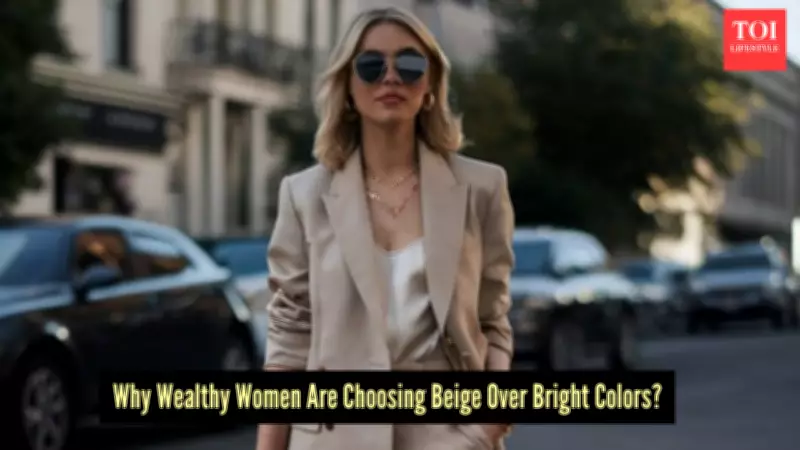
The Rise of Quiet Luxury: Why the Ultra-Wealthy Are Ditching Logos for Beige
Have you observed the recent disappearance of flashy logos in fashion? A quick scan of social media feeds among the affluent reveals a significant transformation. The vibrant pinks, neon greens, and oversized interlocking monograms have vanished. In their place, a tranquil palette of cream, oat, and beige dominates. Welcome to the era of quiet luxury, often dubbed the old money aesthetic online. This subtle, muted style is sweeping the fashion world, but why are the wealthiest individuals suddenly opting to blend into the background?
The Secret Language of Stealth Wealth
This trend stems from a fascinating psychological shift. Generational wealth typically does not feel the need to broadcast its status. For decades, luxury fashion brands prominently displayed their logos on belts, bags, and t-shirts. This strategy proved effective, making luxury goods accessible to a wider audience—a phenomenon known as masstige in retail circles. However, when nearly anyone can save up to purchase a logo-covered accessory, that logo loses its exclusive appeal. Consequently, the ultra-wealthy have pivoted.
They have exchanged loud branding for incredibly subtle indicators. An impeccably draped, unbranded cashmere sweater functions as a secret handshake. It signals status exclusively to those who matter: others with comparable wealth who recognize the piece's quality and significance.

The Ultimate Flex: Wearing Impractical Colors
Consider wearing a stark white or light beige coat on an ordinary Tuesday. It seems daunting, right? A single spilled latte, a brush against a dusty surface, or a ride on public transit could ruin the outfit. This is precisely the point. Sporting light, neutral tones in daily life is a powerful statement. It quietly communicates that you do not rely on public transport. It hints at a meticulously controlled lifestyle, featuring private vehicles, pristine environments, and a budget unfazed by exorbitant, frequent dry-cleaning costs. The sheer impracticality of maintaining beige's cleanliness is what makes it a potent status symbol. Additionally, these neutral shades foster a cohesive, timeless wardrobe that transcends fleeting seasonal trends.
It's Not About the Label, It's About the Loom
Since quiet luxury eliminates recognizable branding, the garment itself must carry the weight. The focus shifts entirely from the name tag to the craftsmanship. Premium, tactile fabrics are essential here. Think buttery silk, fine linen, and exceptionally soft vicuña wool. This luxury is meant to be felt against the skin, not spotted from a distance. Impeccable fit is equally crucial.
A simple pair of beige trousers might appear basic on a rack. However, when custom-tailored to drape flawlessly around a specific body, that basic item transforms into a quiet masterpiece. This approach champions an investment mindset, prioritizing high-quality pieces that endure for decades over disposable fast fashion.
How the Internet Made 'Boring' Go Viral
You might assume a concept rooted in the 19th century would seem outdated today. Instead, the digital age has amplified it. Platforms like TikTok and Instagram have repackaged this unbranded, neutral obsession for a younger generation. They reflect quiet luxury's emphasis on minimalism, natural beauty, and clean lines, making it a viral sensation online.