Nature-Inspired Jewellery Motifs Experience Significant Demand Surge
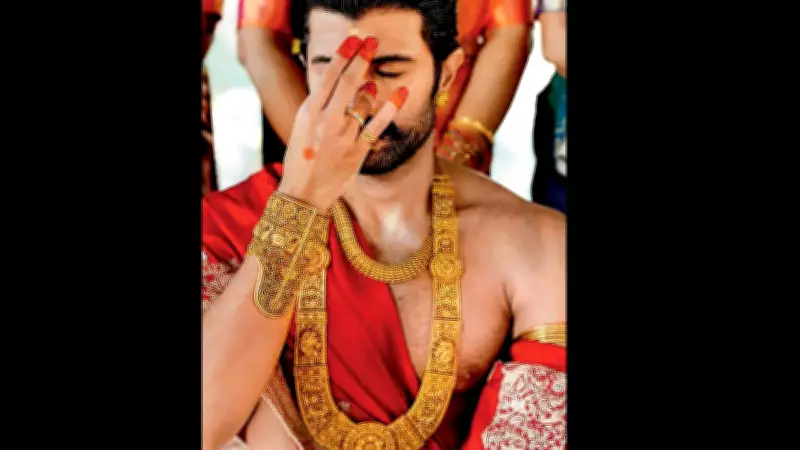
In the wake of celebrity weddings like that of Rashmika Mandanna and Vijay Deverakonda, whose elaborate gold jewellery and traditional motifs captured widespread attention, the jewellery industry is witnessing a remarkable trend. Nature-inspired and culturally rooted motifs are experiencing exceptionally strong demand this season, particularly for Akshaya Tritiya and the upcoming wedding period.
Symbolic Motifs Lead Consumer Preferences
Designs featuring the peacock, lotus, mango (commonly known as paisley), and elephant are gaining substantial traction not merely for their visual appeal but for their deep symbolic significance. Jewellery experts explain why motif-led designs continue to be a preferred choice, highlight the specific motifs in highest demand, and note how this trend now extends well beyond brides to include men as well.
Jewellery with nature-led motifs is in exceptionally high demand this Akshaya Tritiya season. According to industry professionals, there is a pronounced preference for motifs that carry profound symbolic meaning alongside their aesthetic value.

"Among flora and fauna designs, the peacock continues to dominate as a powerful symbol of grace and beauty. The lotus follows closely behind, representing purity and enlightenment. The mango, or paisley motif, remains an absolute staple because of its strong association with fertility, prosperity, and abundance," explains designer Archana Aggarwal of Archana Aggarwal Timeless Jewellery.
Ravi Bamalwa, director of Nemichand Bamalwa Jewellers, elaborates: "The peacock, with its intricate and detailed plumage, along with floral designs inspired by lotus, marigold, and jasmine, are what our buyers are gravitating toward most consistently. What truly makes the difference is superior craftsmanship – a peacock motif executed with genuine skill and artistry looks entirely different from one that is merely decorative."
The peacock motif, in particular, has become a much-sought-after design element as it is widely considered a symbol of grace, beauty, and regal elegance.
Celebrity Influence Amplifies Heritage Demand
From Samantha Ruth Prabhu to Taylor Swift, and more recently Rashmika Mandanna and Vijay Deverakonda, celebrity weddings continue to significantly shape and influence jewellery preferences across the market.
"When a high-profile celebrity like Rashmika chooses a heavily embellished haathphool or Vijay's family opts for significant temple jewellery pieces, it validates heritage design on a massive, aspirational platform. We observed a direct and noticeable spike in customer enquiries immediately following those events. It is not necessarily about looking exactly like the celebrity, but about capturing that same sense of occasion and rooted elegance," says Archana Aggarwal.
Pratik Dugar, co-owner of Indian Gem and Jewellery Creation, adds: "Celebrity weddings have certainly played a crucial role in reviving and boosting interest in heritage-inspired jewellery. The increased visibility of traditional designs in high-profile celebrations has made them highly aspirational for a broader audience."
Expanding Beyond Traditional Bridal Jewellery
While the bridal jewellery market remains the foundational anchor, jewellers report that demand is expanding dynamically across various consumer segments.
"A bride getting married during the upcoming wedding season will almost certainly opt for traditional motifs in her jewellery selection. For Akshaya Tritiya, we have numerous male clients specifically asking for items like elephant-themed cufflinks or lotus-shaped buttons. It is increasingly becoming a lifestyle choice, not confined solely to bridal occasions," notes Archana Aggarwal.
Ravi Bamalwa highlights another shift: "Brides still constitute a significant portion of our business, but the most interesting and notable shift we are observing is among working women in their thirties – professionals, entrepreneurs, and business owners – who are building a personal jewellery wardrobe much like they would build a capsule wardrobe in fashion. They are strategically purchasing one significant motif piece each year, something that holds deep personal meaning and retains substantial value over time."