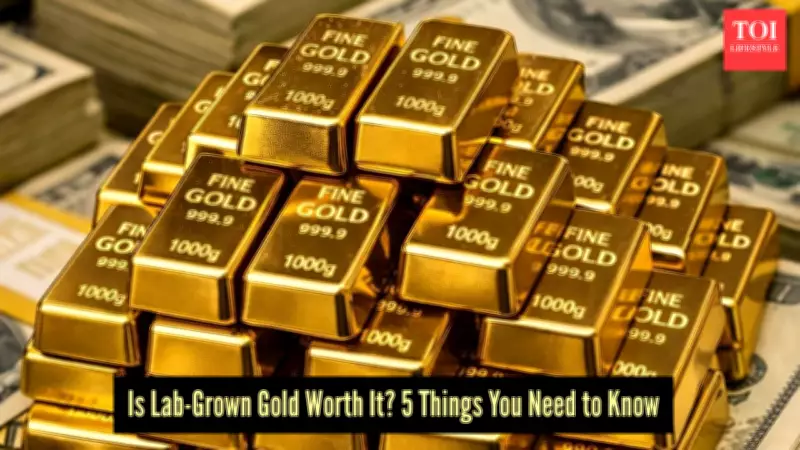
Lab-Grown Gold: Unmasking the Truth Behind the Trend
Have you noticed the buzz around "lab-grown gold" on social media and in jewelry stores? It sounds like a futuristic innovation straight out of science fiction, but before you invest in that shiny new piece, it's crucial to separate fact from marketing hype. Unlike lab-grown diamonds, which are cultivated from carbon seeds, creating actual gold from scratch isn't commercially viable—it requires nuclear transmutation in particle accelerators, costing millions for microscopic, often radioactive specks. So, what are jewelers really selling? Here are five essential things you need to know before buying into this trend.
1. Decode the Marketing Jargon: It's Recycled Gold
Let's cut through the clever terminology. When brands advertise "lab-grown" gold, they're typically referring to 100% recycled or recovered gold. This means the gold is chemically extracted from electronic waste like old smartphones and laptops, or refined from industrial byproducts using advanced laboratory processes. Always ask retailers to clearly define their terms to avoid falling for misleading wordplay that masks the true origin of the metal.
2. Verify Purity and Hallmarking Standards
Gold remains gold, regardless of its source. Whether mined decades ago or recovered from e-waste yesterday, its chemical composition is identical. Focus on the basics: ensure your jewelry is graded by standard karats (14K, 18K, or 22K) and carries official hallmark stamps. These certifications are your undeniable guarantee of authenticity and quality, not the "lab-grown" label.

3. Avoid Unjustified Price Markups
Don't pay a premium for futuristic-sounding names. Since lab-created gold is essentially highly refined recycled gold, its value should align with daily global market rates. Some brands may inflate prices by claiming innovation, but you shouldn't pay extra for marketing hype. Insist on fair pricing based on metal weight and purity, not trendy terminology.
4. Demand Proof of Environmental Claims
The primary appeal of lab-recovered gold is its eco-friendly profile—it bypasses the environmental destruction and human rights issues associated with traditional mining. However, be vigilant against greenwashing. Ask brands for certifications or supply chain transparency to verify their claims. Inquire about energy sources for refining and chemical disposal processes to ensure genuine sustainability.
5. Understand Resale Value Realities
Years later, if you decide to sell or upgrade your jewelry, pawnshops and jewelers won't care about the "lab-grown" label. They'll assess it based on weight and karat purity, paying only for the raw metal value. While recovered gold retains intrinsic value like mined gold, the trendy marketing won't fetch extra rupees on the secondary market. It's a brilliant, guilt-free option for beautiful jewelry, but shop smartly with realistic expectations.
In summary, lab-grown gold offers an ethical alternative to mined gold, but consumers must stay informed. By questioning marketing claims, verifying purity, avoiding price gouging, checking eco-credentials, and understanding resale dynamics, you can make a wise investment in this emerging trend.