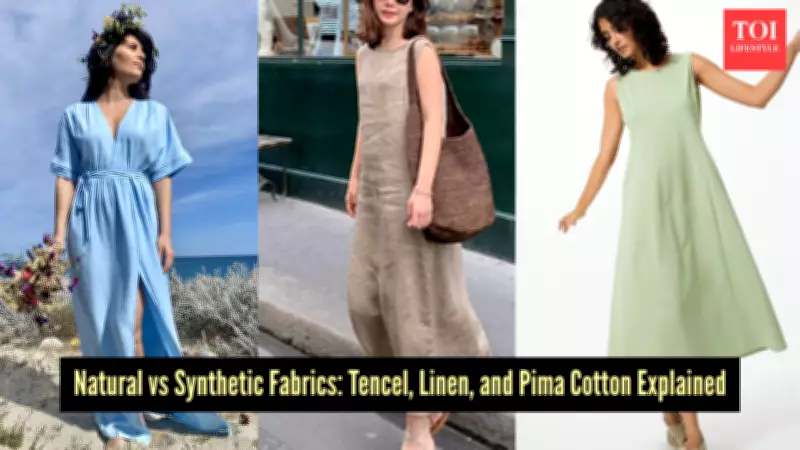
The Fabric Revolution: From Plastic Traps to Sustainable Materials
Have you ever selected a shirt that appeared flawless on the rack, only to discover it felt uncomfortably like wearing a plastic bag once you tried it on? You are certainly not alone in this experience. For many decades, our wardrobes have been overwhelmingly dominated by synthetic fabrics—materials that are inexpensive, highly durable, and abundantly available. However, as the fashion dialogue evolves from "fast fashion" to "forever fashion," the labels on our clothing are undergoing a significant transformation. The contemporary sustainable movement transcends mere buzzwords; it represents a genuine return to materials that neither suffocate the planet nor irritate your skin. If you have been attempting to decipher the distinctions between Lyocell and Linen, or questioning why Pima cotton commands a higher price than regular cotton, this comprehensive guide serves as your essential cheat sheet to the ongoing fabric revolution.
The Plastic Trap: The Downside of Synthetics
First, we must address the prominent issue: synthetic fabrics such as polyester, nylon, and acrylic. Fundamentally, these materials are derived from fossil fuels spun into thread, essentially making them plastics. It is important to acknowledge that they are not entirely without merit. For activities like running a marathon or being caught in heavy rain, the water-resistance and elasticity provided by synthetics are unparalleled; natural fibers simply cannot compete at this level of performance gear. Nevertheless, for everyday wear, synthetic fabrics present considerable drawbacks. They trap body heat, lack breathability, and persist in landfills for periods ranging from 20 to 200 years. Perhaps the most alarming aspect is the invisible environmental footprint they leave behind. Each time you wash a polyester garment, it releases thousands of microplastic fibers that evade water filtration systems and ultimately contaminate our oceans.
The Silk Rival: Tencel and Lyocell
When you encounter "Tencel" or "Lyocell" on a clothing label, you are looking at the gold standard of modern semi-synthetic fabrics. Although these names might sound chemical, they are actually produced from dissolved wood pulp, typically sourced from eucalyptus trees. Consider Tencel as the ideal compromise between synthetic and natural fibers. It is exceptionally soft—often likened to silk—and drapes elegantly, making it perfect for dresses, blouses, and luxurious bed sheets. The true innovation, however, lies in its manufacturing process. Tencel utilizes a "closed-loop" system, meaning that approximately 99% of the water and solvents employed to convert wood into fiber are recovered and recycled. While cotton cultivation is notoriously water-intensive, Tencel requires significantly less land and water, solidifying its status as a top-tier eco-friendly material.

The Ancient Eco-Warrior: Linen
Linen stands as the cool, crisp elder statesman of the fabric world. Derived from the resilient flax plant, it has been utilized for thousands of years for compelling reasons. Flax is a hardy crop that thrives in poor soil conditions, relies primarily on rainwater rather than irrigation, and demands minimal pesticide use. The trade-off? Linen possesses zero elasticity, which explains why it wrinkles almost instantly. Yet, within the realm of sustainable style, these wrinkles are often embraced as a badge of honor—a clear indicator of a genuine natural fiber. Linen is arguably the most breathable fabric available, making it an indispensable choice for hot and humid climates. Additionally, it is fully biodegradable. When a linen garment eventually wears out—which takes considerable time due to its inherent strength—it decomposes naturally without leaving harmful residues in the environment.

The Long Game: Pima Cotton
While cotton is universally beloved, conventional cotton farming is notoriously thirsty and heavily reliant on pesticides. This is where Pima cotton, also known as Supima cotton, enters the scene. Pima is an Extra-Long Staple (ELS) cotton variety. Because its fibers are longer, the resulting fabric is softer, stronger, and retains dye more effectively than standard cotton t-shirts. The sustainability argument for Pima cotton revolves around longevity. Although it still requires water to grow, a Pima cotton shirt can last up to 50% longer than its conventional counterpart. It resists tearing and pilling, meaning you are far less likely to discard it after just a few washes. Pima cotton embodies the philosophy of "buy less, choose better," promoting durability and reduced consumption.
The Verdict: Making Informed Choices
The next time you go shopping, make it a habit to examine the fabric tag closely. For specialized activities like gym workouts, synthetic fabrics still have their justified place. However, for the majority of your wardrobe, consider these sustainable alternatives:
- Choose Linen for exceptional breathability in hot weather.
- Opt for Tencel when you desire a silky, luxurious feel with minimal environmental impact.
- Select Pima Cotton for durable, long-lasting pieces that withstand the test of time.
By making these conscious fabric choices, both your skin and the planet will undoubtedly benefit from the positive difference.