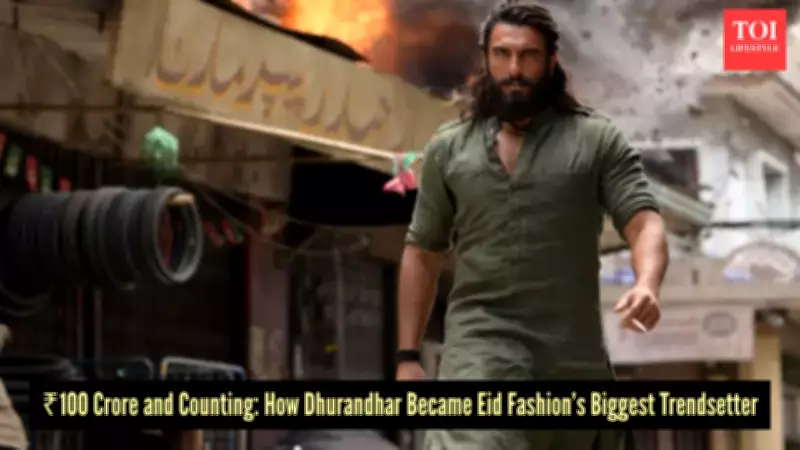
Dhurandhar Ignites a Rs 100 Crore Eid Shopping Revolution
Eid shopping has traditionally centered on classic, crisp white kurtas or items with subtle embroidery, offering a timeless and elegant look for the festive season. However, this year witnessed a dramatic and unexpected shift in consumer behavior, transforming local markets with a rugged and bold aesthetic. If you strolled through any neighborhood market recently, you likely observed a very specific, tough vibe dominating the streets, signaling a departure from conventional styles.
The Rise of Dhurandhar: From Cinema Screens to Local Markets
Enter Dhurandhar, the latest Bollywood blockbuster featuring stars like Ranveer Singh, Sanjay Dutt, and Akshaye Khanna. This film has not only captivated audiences in theaters but has also quietly catalyzed a massive micro-economy estimated at Rs 100 crore within local communities. The driving force behind this economic surge is the powerful style inspiration drawn from the movie, influencing fashion choices and spending patterns across cities.
The Rs 3,000 Pathani Suit Phenomenon
Let's delve into the clothing aspect first. The hyper-stylized and commanding Pathani suits worn by the film's stars became the absolute must-have item this festive season, overshadowing standard online purchases. Men flocked to local tailors, armed with smartphones, demanding precise replicas of the outfits seen on screen. This demand extended to meticulous details such as fabric drape, collar stiffness, and sleeve positioning, reflecting a deep desire for authenticity.

This craze radically altered local pricing dynamics. Typically, stitching a decent Pathani suit would cost between Rs 700 and Rs 900, making it an affordable option for many. This Eid, however, tailors confidently quoted prices ranging from Rs 2,500 to Rs 3,000, and customers readily paid these elevated amounts without hesitation. The demand grew so intense that numerous neighborhood tailors were forced to display "no new orders" signs days before the festival, an unprecedented move in the local tailoring industry during a major holiday. They simply could not keep up with the overwhelming influx of requests, highlighting the scale of this trend.
Everyone Seeks the "Hamza" Haircut
The Dhurandhar fever extended beyond tailoring shops, significantly impacting salons as well. If you attempted to book a haircut right before Eid, you likely encountered a chaotic and crowded scenario. Across various cities, salons reported a massive surge in men requesting the "Hamza Ali Mazari" look, inspired by Ranveer Singh's character known for his sharp yet deliberately unkempt and textured hair. This hairstyle is not a simple, quick trim but requires detailed cutting and styling sessions, demanding extra time and skill from barbers.
Due to the increased complexity and effort involved, salons raised their prices by 20% to 30% for these specific cuts, and business flourished with cash registers ringing continuously. The popularity of this haircut underscores how film-inspired trends can drive consumer spending in unexpected sectors, creating a ripple effect in the beauty and grooming industry.
Why Did This Trend Go So Viral?
So, what explains a movie sparking such an insane real-world spending spree? Industry experts attribute this phenomenon to one key factor: accessibility. Typically, Bollywood fashion is associated with high-end designer labels that remain out of reach for the average person, creating a gap between aspiration and reality. Dhurandhar, however, broke this mold by featuring styles that are more attainable and practical.
A rugged Pathani suit is something many can afford and customize, while a textured haircut is achievable at local salons. This time, audiences did not merely want to admire their heroes from theater seats; they actively sought to embody the cinematic vibe by stepping into their shoes—or suits, rather—and participating in the trend themselves. This desire for personal connection and imitation fueled the widespread adoption of these styles, making the film's influence tangible in everyday life.

The Real Winners of This Economic Boom
When discussing movie success, the focus often lies on box office collections, measuring financial performance in terms of ticket sales. However, the real story here is the incredible ripple effect on small businesses, which benefited immensely from this trend. Fabric shops experienced rapid inventory clearance, selling out faster than ever before as demand soared.
Local tailoring units saw their weekly earnings double or even triple, providing a significant boost to their livelihoods. Salons enjoyed foot traffic reminiscent of a bustling carnival, with increased revenue from both haircuts and related services. While film producers are undoubtedly celebrating their box office success, the unsung heroes of this Rs 100 crore boom are the local tailors and barbers who worked tirelessly, often overtime, to help everyone look like a superstar this Eid. Their dedication and adaptability turned a cinematic trend into a substantial economic opportunity, showcasing the power of community-driven commerce.