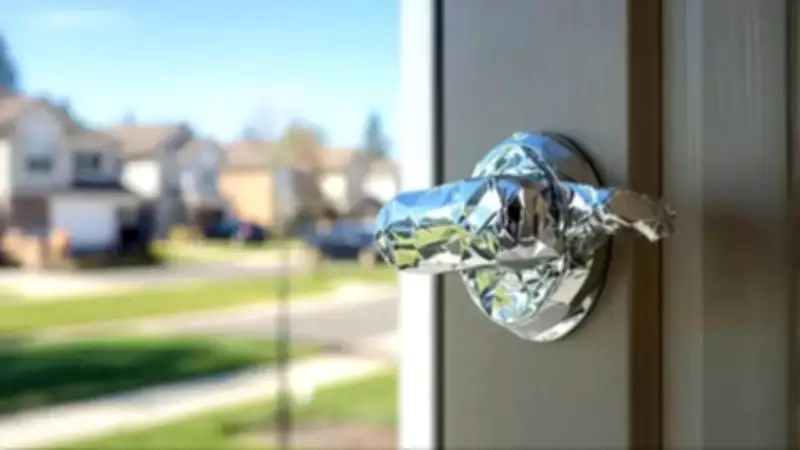
The Viral Aluminium Foil Door Handle Hack Taking Over 2026
In 2026, a peculiar home hack has rapidly spread across social media, captivating users with its simplicity and purported benefits. People across the United States are wrapping aluminium foil around their door handles, sparking widespread discussion about its effectiveness as a low-cost solution for issues ranging from static shocks to home security. But is this just another fleeting viral myth, or does real science support the claims? Recent reports and scientific principles suggest the truth lies somewhere in between, blending legitimate physics with behavioral psychology, though experts caution it is far from a foolproof fix.
The Rise of the Aluminium Foil Trend
The trend gained momentum as homeowners shared their experiences online, highlighting "surprisingly big effects" from this simple DIY experiment. Two primary benefits emerged: reduced static electricity shocks and a basic visual or physical deterrent to potential intruders. Aluminium foil, being a highly conductive material, allows electrical charges to disperse rather than accumulate, while its crinkled texture and reflective surface may make tampering more noticeable, adding a psychological layer of security. However, as the internet embraces quick fixes, researchers are stepping in to separate fact from exaggeration.
The Science Behind Static Shock Reduction
The foil trick can be explained plausibly by simple electrostatics. Static shocks often occur in dry indoor environments, such as during winter or in homes with air conditioning, when electrical charges build up on surfaces like metal handles. A 2026 article in the Journal of Applied Physics notes that highly conductive surfaces can redistribute accumulated charge, reducing localized electrostatic discharge. By wrapping a handle with aluminium foil, the surface area increases, spreading the charge more evenly and resulting in less powerful shocks. In essence, instead of a sharp zap from a concentrated charge, the electricity disperses across the foil, diminishing the sting.

Can Aluminium Foil Enhance Home Security?
The claim that foil can deter burglars is more contentious. Proponents argue that the crinkling sound alerts homeowners to movement, while the foil shows visible signs of tampering and its unusual appearance signals that the home is "monitored." There is some psychological basis for this; a 2026 study in the Journal of Environmental Psychology found that unusual modifications to entry points increase perceived risk among opportunistic intruders. Even small changes like reflective foil can make a house seem less tempting to casual trespassers. However, experts emphasize this is only a deterrent, not full protection. Factual analyses point out that foil can be quickly removed and does not physically prevent entry. Moreover, its popularity reflects a broader behavioral pattern where people feel more secure with visible, low-effort measures, even if their actual protective value is limited. Research from a 2026 issue of Building and Environment showed that such interventions can boost occupants' perceived safety, regardless of their effectiveness.
Why This Trend Took Off in 2026
Several factors converged to popularize this hack in 2026. As global costs rise, many homeowners seek free or low-cost alternatives to expensive security systems. Social media platforms like TikTok fuel curiosity, with users exploring unconventional home improvement ideas. Additionally, dry indoor air from heating or air conditioning has exacerbated static shocks, driving interest in quick fixes. Despite its appeal, experts stress that aluminium foil is not a substitute for real security measures. Key disadvantages include:

- No Physical Barrier: It does not strengthen locks or doors.
- Easy Removal: Burglars can simply peel it off.
- Limited Sound Detection: Crinkling noise may be inaudible in larger homes.
- Short-Term Effectiveness: Foil can tear, wear out, or trap moisture over time.
In summary, while the foil might offer minor advantages, relying on it solely is unwise. Experts assert that more effective strategies include installing deadbolts or smart locks, using motion-sensor lighting, maintaining visible security cameras or doorbells, and improving home lighting and visibility. Behavioral cues, such as leaving lights on or keeping a tidy exterior, have also proven more reliable deterrents than improvised hacks.
Bottom Line
The aluminium foil door handle trend exemplifies how simple science can ignite viral curiosity. It may reduce static shocks by dispersing electrical charge and provide a psychological boost, but from a security perspective, it remains a temporary, low-level addition—a small trick, not a comprehensive solution. As with many viral phenomena, a balanced approach combining practical measures with informed skepticism is key.