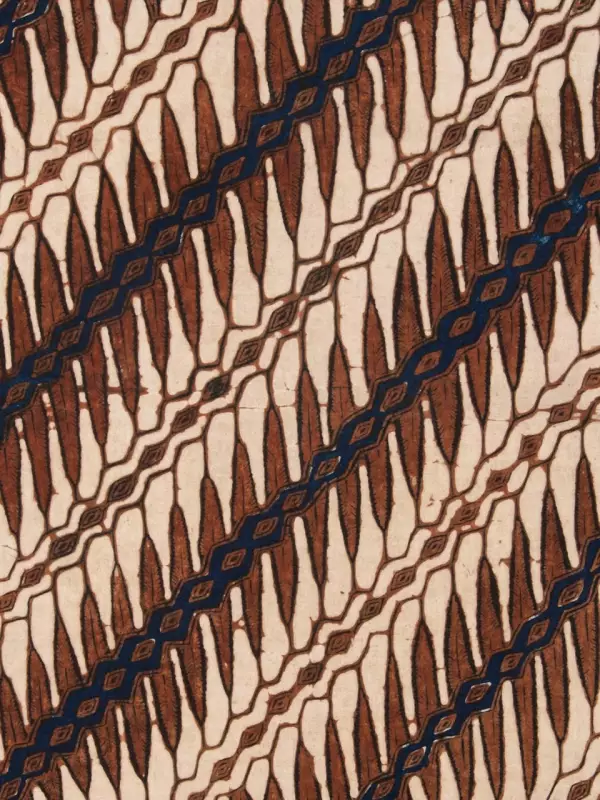
India's textile heritage represents a vibrant tapestry of cultural diversity, yet many extraordinary printing techniques remain largely unknown to the wider world. Beyond the popular Bandhani and Ikat patterns lies a treasure trove of artistic expressions waiting to be discovered by fashion enthusiasts and cultural explorers alike.
Hidden Gems of Indian Textile Artistry
The rich landscape of Indian textiles extends far beyond what meets the casual eye. Eight particularly underrated printing techniques showcase the incredible diversity and craftsmanship that has been preserved through generations of artisan families across different regions of the country.
Kalamkari: The Art of Storytelling Through Fabric
Originating from Andhra Pradesh, Kalamkari represents one of India's most sophisticated textile arts. The name itself means "pen work" in Persian, reflecting the intricate process where artists use bamboo pens to draw elaborate mythological scenes and natural motifs. What makes this technique extraordinary is the use of entirely natural dyes derived from plants, minerals, and other organic sources.

The process involves multiple stages of dyeing and washing, with each piece telling a unique story through its detailed imagery. From scenes of Hindu epics to floral patterns and animal figures, Kalamkari transforms simple cotton fabric into magnificent narrative art that embodies centuries of cultural tradition.
Parsi Gara: A Cultural Fusion in Thread
The Parsi Gara embroidery represents a beautiful synthesis of Indian, Persian, and Chinese artistic influences. This technique features elaborate motifs including intricate floral patterns, birds, and scenes from daily life that cover the fabric in a rich tapestry of colors and textures. Originally created by Parsi traders who traveled between India and China, this embroidery style has evolved into a distinctive art form.
Each Gara sari can take several months to complete, with artisans meticulously stitching each element by hand. The result is a breathtaking piece of wearable art that reflects the cosmopolitan nature of Indian cultural exchange and the painstaking dedication of its creators.
Bagh Print: Geometric Precision from Madhya Pradesh
Hailing from the Bagh region of Madhya Pradesh, this printing technique is renowned for its vibrant red and black geometric patterns against a white background. The process involves wooden blocks that are hand-carved with precision, then used to stamp the fabric with natural dyes. What makes Bagh print particularly remarkable is the complex preparation of the fabric, which undergoes multiple treatments in the local river waters.
The distinctive red color comes from alum, while iron acetate produces the deep black hues. The mathematical precision of the patterns, combined with the organic dyeing process, creates textiles that are both visually striking and culturally significant to the region's identity.
Regional Specialties Worth Discovering
Beyond these well-known techniques, several regional printing styles deserve greater recognition for their unique characteristics and cultural importance.
Ajrakh printing from Gujarat and Rajasthan showcases symmetrical patterns using natural dyes in deep crimson, indigo, and black. The name derives from the Arabic word "azrak," meaning blue, reflecting the prominence of indigo in this traditional craft.
Sanganeri prints from Rajasthan feature delicate floral motifs typically printed on white or off-white backgrounds. Characterized by their fine lines and detailed patterns, these prints often depict flowers, buds, leaves, and birds in a harmonious composition that reflects the region's aesthetic sensibilities.
Dabu printing, another Rajasthani specialty, involves a mud-resist technique where artisans use clay paste to create patterns before dyeing the fabric. The result is a distinctive cracked effect that adds texture and character to the finished textile.

Kota Doria from Rajasthan represents a unique weaving rather than printing technique, producing lightweight fabrics with characteristic square patterns. The transparency and delicate texture of Kota Doria make it particularly suitable for warm climates while maintaining an elegant appearance.
Chanderi printing from Madhya Pradesh combines traditional weaving with delicate hand-block printing, often featuring gold and silver zari work alongside printed motifs. The sheer texture and luxurious appearance of Chanderi fabrics have made them favored by royalty throughout history.
Preserving India's Textile Legacy
These eight textile printing techniques represent just a fraction of India's rich artisanal heritage. Each method tells a story of regional identity, cultural exchange, and artistic innovation that has been preserved through generations. As global interest in sustainable and ethically produced textiles grows, these traditional methods offer valuable alternatives to mass-produced fabrics.
Supporting these art forms means more than just purchasing beautiful textiles—it represents an investment in cultural preservation, sustainable practices, and the livelihoods of artisan communities. By choosing handcrafted textiles, consumers participate in keeping ancient traditions alive while embracing the unique beauty that can only come from human hands working in harmony with natural materials.
The revival of interest in these underrated printing techniques signals a promising future for India's textile heritage. As designers and consumers increasingly value authenticity and craftsmanship, these traditional arts are finding new relevance in contemporary fashion and home decor, ensuring they will continue to enrich India's cultural landscape for generations to come.