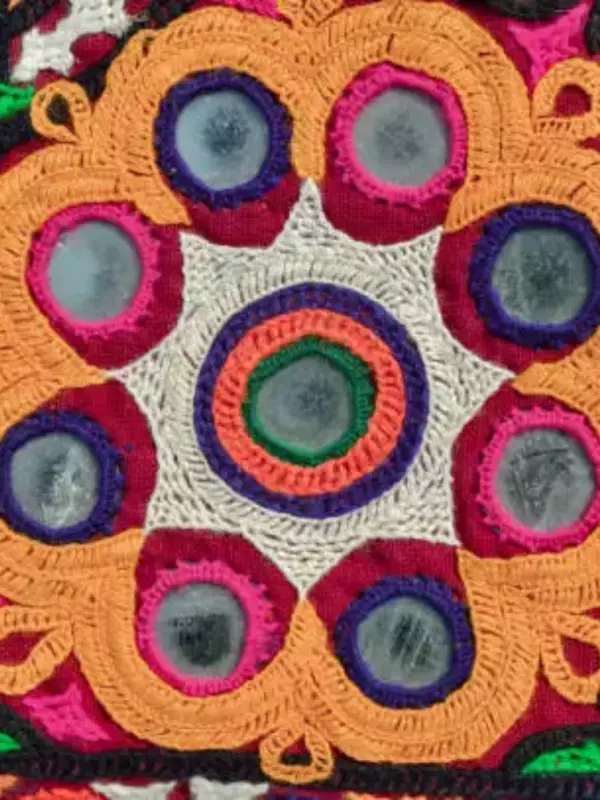
When one thinks of Gujarat's textile wonders, the vibrant whirls of Bandhani often dominate the imagination. However, the state's fabric heritage is a much deeper, more diverse tapestry, woven with techniques and patterns unknown to many. Beyond the famous tie-dye lies a treasure trove of eight exquisite and lesser-known textile prints, each with its own unique story, technique, and cultural significance. This journey uncovers the hidden gems of Gujarat's handloom and printing traditions.
Beyond Bandhani: The Lesser-Known Marvels
Gujarat's artisans have perfected a range of printing and dyeing methods over centuries. These are not merely crafts but narratives stamped onto fabric, telling tales of community, environment, and artistry. Let's explore these eight distinctive prints that deserve a spotlight.
1. The Rustic Charm of Rogan Art
Originating from the Kutch region, Rogan art is a painstaking craft practiced by only a few families today. Artists use a thick, brightly colored paste made from castor oil and natural pigments. The design is not stamped or screened but meticulously applied using a metal stylus, often creating intricate symmetrical patterns. The result is a raised, almost embossed effect on the fabric, showcasing motifs like the Tree of Life, peacocks, and florals. Its survival is a testament to the dedication of its keepers.

2. The Natural Elegance of Ajrakh
While Ajrakh is also known in Sindh, its Indian heart beats in Gujarat's Kutch and Jamnagar. This complex block-printing technique involves up to 16 stages of washing, dyeing, printing, and drying. Using natural dyes like indigo, madder, and pomegranate, artisans create deep crimson and indigo blue patterns on cotton or silk. The geometric and floral patterns are highly precise, often featuring stars and trellis designs. Each Ajrakh piece is a week-long labor of love and a masterpiece of natural dye chemistry.
3. The Muted Beauty of Batik
Though with Javanese roots, Batik found a unique expression in Gujarat, particularly in places like Bhuj and Mandvi. The wax-resist dyeing method sees artisans drawing patterns with hot wax on cloth before dyeing it. The waxed areas resist the color, creating beautiful, often crackled effects. Gujarati Batik frequently depicts folk scenes, animals, and traditional motifs, standing out for its artistic flair and the skill required to control the flow of wax and dye.
4. The Vibrant World of Bagh and Bagru Inspirations
While Bagh and Bagru are traditionally from Madhya Pradesh and Rajasthan respectively, their influence and similar techniques have permeated Gujarat's print culture. Artisans in Gujarat have adapted these styles, using vegetable dyes and wooden blocks to create bold, contrasting patterns. The typical red and black motifs on a white background, featuring nature-inspired designs, find a harmonious place in Gujarat's eclectic textile mix, showcasing the fluid exchange of craft across regional borders.
5. The Delicate Craft of Mata Ni Pachedi
Translating to "behind the mother goddess," this is a sacred textile art form traditionally created by the Vaghri community for temple hangings. It involves hand-painting or block-printing narratives of the goddess Durga and her various forms on cotton cloth using natural dyes. The central deity is surrounded by devotees, animals, and flora, framed by intricate borders. This art is not just a print; it's a portable temple and a profound expression of devotion.
6. The Subtle Sophistication of Double Ikat (Patola)
From Patan comes the legendary Patola silk sari, one of the world's most complex weaves. It is a double ikat, meaning both the warp and weft threads are tie-dyed precisely before weaving. This requires extraordinary mathematical precision to align the patterns perfectly. The resulting geometric and figurative designs are vibrant and identical on both sides. Woven by the Salvi community, a single sari can take months to complete, making it a pinnacle of textile luxury and skill.

7. The Folk Narrative of Pithora Paintings on Textile
Inspired by the vibrant ritual wall paintings of the Rathwa and Bhil tribes, this art has transitioned onto fabric. While not a "print" in the conventional sense, the style is now replicated using block printing and hand-painting on textiles. The designs are characterized by stylized horses, gods, and ritual scenes in bright, primary colors. Wearing a Pithora-inspired print is like carrying a piece of tribal folklore and cosmology.
8. The Regional Variations of Block Printing
Across Gujarat, from Kutch to Saurashtra, numerous local block-printing traditions thrive. Artisans use hand-carved wooden blocks dipped in natural dyes to stamp repetitive patterns on fabric. Each region has its specialty—some focus on fine floral butis (dots), others on bold geometric borders or animal motifs. The beauty lies in the slight imperfections and the rhythmic, meditative process of stamping each block by hand.
Preserving a Legacy for the Future
The discovery of these eight prints reveals that Gujarat's textile landscape is astonishingly rich and varied. However, many of these crafts face challenges from mechanization, changing markets, and a dwindling number of practitioners. The survival of these arts depends on conscious patronage and awareness.
By seeking out and valuing these lesser-known prints, we do more than acquire a beautiful fabric. We become custodians of an ancient heritage. We support artisan communities and ensure that these stories, woven and printed with such care, continue to be told for generations to come. The next time you look at a Gujarati textile, remember, there might be a hidden world of Rogan, Ajrakh, or Patola waiting to be explored, far beyond the familiar dots of Bandhani.