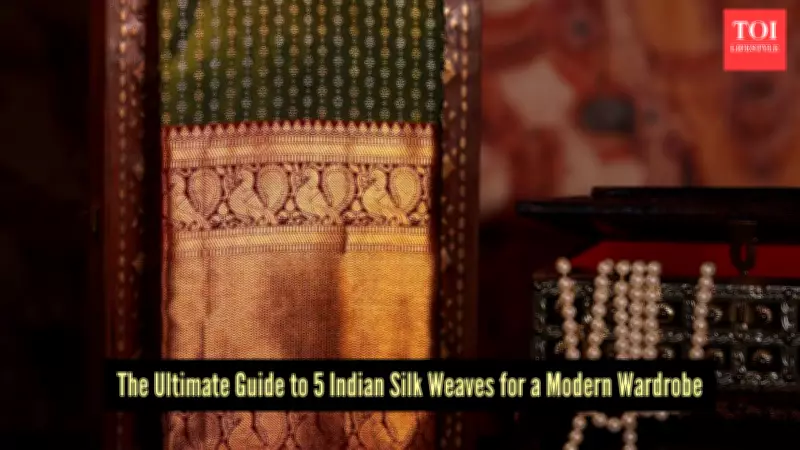
The Silk Route: Five Iconic Indian Weaves for Contemporary Fashion
The distinctive rustle of silk fabric carries a profound sense of nostalgia for many, evoking memories of grandmothers' treasured trunks, the sharp scent of naphthalene balls, and the elegant drape of heritage sarees worn on momentous occasions. However, Indian silk is not merely a relic of the past; it is currently experiencing a significant resurgence in the fashion world. From corporate executives embracing power dressing to advocates of sustainable style, the classic six-yard garment is being creatively reinterpreted. For those aiming to cultivate a wardrobe that embodies "quiet luxury" with effortless sophistication, here is an in-depth exploration of five essential Indian handloom silks that deserve a place in every modern collection.
Banarasi: The Epitome of Opulence
If opulence were to manifest as a fabric, it would undoubtedly be Banarasi silk. Originating from the historic lanes of Varanasi, this weave stands as the undisputed centerpiece of North Indian wedding attire. Banarasi silk is instantly recognizable due to its Mughal-inspired grandeur, characterized by lavish gold or silver zari brocade featuring intricate floral vine patterns known as bel and classic jhallar leaf designs along the edges. While the traditional heavy Katan silk remains a perennial favorite for bridal wear, contemporary lifestyle trends are shifting towards lighter alternatives such as "Tanchoi" weaves and organza variants. These modern interpretations are ideal for cocktail evenings, offering the regal aesthetic of Banarasi without the substantial weight of a bridal lehenga.
Kanjeevaram: The Ultimate Power Dressing Statement
In Southern India, the Kanjeevaram silk is revered as the "Queen of Sarees," and this title is well-earned. Woven in Kanchipuram, Tamil Nadu, this silk is celebrated for its bold color contrasts and structural integrity. Unlike the fluid drape of other silks, Kanjeevaram maintains a firm shape, making it the preferred choice for assertive power dressing. The brilliance of this fabric lies in its construction: the border and body are often woven separately and then meticulously interlocked using a technique called Korvai, creating a joint so durable it can outlast the wearer. Adorned with motifs inspired by temple architecture and natural elements such as peacocks and geometric checks, this fabric—frequently worn by style icons like Rekha—serves as a definitive statement piece that communicates confidence and authority.

Muga Silk: The Sustainable Luxury Choice
For those embracing the "sustainable luxury" movement, Assam's Muga silk presents an exceptional option. This is among the rarest silks globally, produced exclusively by a silkworm species native to the region. The unique allure of Muga lies in its natural golden hue, which requires no artificial dyeing. Investing in Muga silk is a commitment to longevity, as the fabric is renowned for its remarkable durability, often enduring beyond the lifetime of its original owner. Additionally, Muga silk develops a richer gloss with each wash. It is entirely organic, exceedingly rare, and its inherent shimmering yellow tone aligns seamlessly with the current minimalist and earth-tone aesthetic trends.
Bhagalpuri (Tussar): The Bohemian Textural Delight
Not every fashion enthusiast desires the high-gloss sheen of traditional silk. Bhagalpuri, commonly known as Tussar silk from Bihar's "Silk City," offers a distinctly different character. Often referred to as "Wild Silk," it possesses a porous, slightly coarse texture with a subdued, matte gold sheen that exudes an earthy, bohemian vibe. Due to its superior breathability compared to mulberry silk, Tussar is excellent for layering in various outfits. Contemporary designers are increasingly utilizing Tussar for Indo-western silhouettes, including structured waistcoats, culottes, and jackets. This silk dyes beautifully, making it a favorite for individuals seeking vibrant colors without excessive embellishment.

Chanderi: The Ethereal Lightweight Fabric
For those who find traditional silk too cumbersome for daytime events like brunches or office wear, Chanderi provides an ideal solution. Hailing from Madhya Pradesh, this fabric is often described as "woven air." Historically, it is a blend of silk and cotton enhanced with zari, celebrated for its sheer, translucent texture and feather-light weight. Chanderi typically avoids heavy brocade, instead featuring delicate motifs such as coins or small floral patterns. Its soft pastel color palette establishes it as the quintessential "Summer Silk," perfect for occasions where one wishes to appear elegantly dressed while remaining comfortably cool.
These five Indian silk weaves—Banarasi, Kanjeevaram, Muga, Bhagalpuri, and Chanderi—represent a harmonious fusion of rich heritage and modern fashion sensibilities. By incorporating these textiles into your wardrobe, you not only invest in timeless quality and sustainable practices but also celebrate the enduring artistry of Indian handloom craftsmanship.