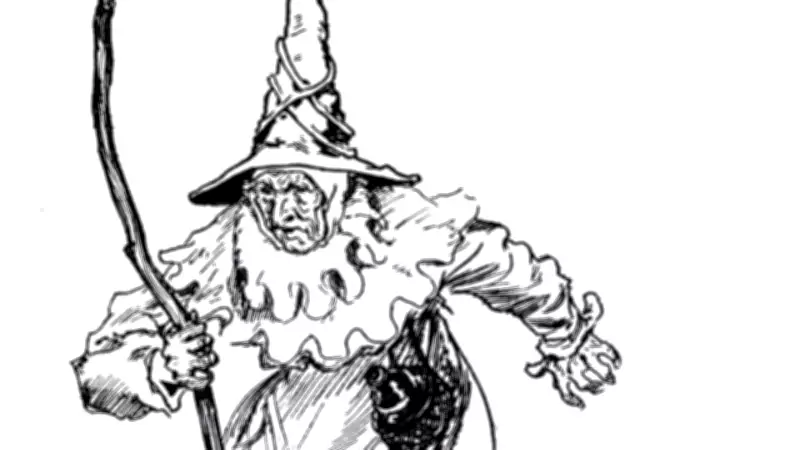
The Enduring Image of the Witch on a Broom
The classic depiction of a witch soaring through the night sky on a broomstick is one of the most recognizable symbols in global folklore and popular culture. This imagery, deeply ingrained in Halloween traditions, fairy tales, and modern media, has a rich and complex history that spans centuries. While it might seem like a whimsical fantasy, the origins of this association are rooted in historical practices, superstitions, and cultural beliefs that offer a fascinating glimpse into the past.
Medieval Roots and Folklore Origins
The connection between witches and brooms can be traced back to medieval Europe, particularly during the witch trials of the 15th to 18th centuries. In this period, brooms were common household items, often handmade from natural materials like twigs and straw. Folklore from this era frequently described witches using brooms not for flying, but for ritualistic purposes. It was believed that witches would anoint these brooms with hallucinogenic ointments made from plants such as belladonna, henbane, or mandrake. When applied to the skin, these substances could induce vivid, dream-like states, leading to sensations of flying or out-of-body experiences.
Historical accounts and trial records from the time sometimes mention confessions—often obtained under duress—where individuals described "flying" to witches' sabbaths. Scholars suggest that these narratives might have been influenced by the psychoactive effects of such ointments, with the broom serving as a symbolic or practical tool in these rituals. The broom, as a domestic object, also represented a subversion of traditional female roles, linking it to perceptions of witchcraft as a threat to societal norms.

Symbolism and Cultural Interpretations
Beyond its potential use in rituals, the broom holds deep symbolic meaning in various cultures. In many traditions, brooms are associated with cleansing, purification, and the sweeping away of negative energies. For witches, this could symbolize spiritual journeys or the traversal between the physical and spiritual realms. The act of "riding" a broom might metaphorically represent a shamanic or mystical voyage, aligning with broader themes of magic and the supernatural.
In some European folk tales, brooms were also linked to fertility rites and agricultural cycles, with witches depicted as intermediaries between humans and nature. Over time, these elements merged with Christian demonology during the witch-hunt era, transforming the broom into a tool of diabolical flight in popular imagination. This evolution was further cemented by artistic representations in woodcuts, literature, and later, films, which romanticized and sensationalized the image.
Modern Perceptions and Pop Culture Legacy
Today, the witch on a broom remains a staple of Halloween iconography, children's stories, and entertainment media, from classics like "The Wizard of Oz" to contemporary series like "Harry Potter." While modern interpretations often lean into fantasy and humor, they continue to draw on these historical roots. The imagery has also been reclaimed by modern pagan and Wiccan communities, where brooms—or besoms—are used in rituals for cleansing sacred spaces, reflecting a return to their symbolic origins rather than literal flight.
Understanding why witches ride brooms reveals a tapestry of human belief, fear, and creativity. It highlights how everyday objects can become powerful symbols in mythology, shaped by historical context and cultural exchange. As we celebrate spooky seasons or enjoy witch-themed tales, this enduring image serves as a reminder of the complex interplay between folklore, history, and the human imagination.