Navjot Altaf's Waste Archives: Transforming Industrial Debris into Powerful Artistic Statements
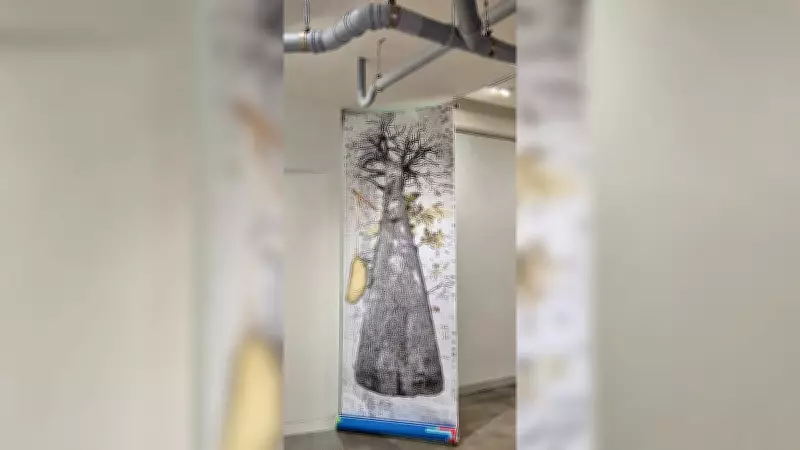
The Waste Archives as Landscape exhibition, currently on display at Mumbai's prestigious Chhatrapati Shivaji Maharaj Vastu Sangrahalaya (CSMVS), presents a profound and visually striking exploration of environmental issues through the lens of contemporary art. Curated by the Jehangir Nicholson Art Foundation, this showcase features the intricate and thought-provoking work of artist Navjot Altaf, who masterfully transforms industrial waste and debris into compelling artistic narratives.
Artistic Confrontation with Ecological Degradation
Altaf's exhibition serves as a powerful witness to the escalating crisis of industrial waste and its devastating impact on our planet. Through a series of meticulously crafted paintings and immersive installations, the artist delves deep into the complex realities of modern landfills, exposing the often-hidden human costs and the alarming loss of biodiversity that accompanies unchecked ecological degradation.
The works on display are not merely aesthetic objects but are instead charged with social and environmental commentary, challenging viewers to reconsider their relationship with consumption, waste, and the natural world. Each piece acts as a testament to the intersection where art, society, and environmental concerns collide, creating a dialogue that is both urgent and necessary in today's context.

Exploring Themes of Loss and Resilience
The exhibition meticulously examines several critical themes:
- Landscapes of Waste: Altaf's artworks reimagine landfills and industrial sites as new kinds of landscapes, questioning what constitutes natural versus man-made environments in the Anthropocene era.
- Human Impact: The installations poignantly highlight the human cost of industrial progress, particularly on marginalized communities who often bear the brunt of environmental pollution.
- Biodiversity Crisis: Through symbolic representations, the artist addresses the silent extinction of species and the disruption of ecosystems caused by industrial debris and pollution.
- Material Transformation: By using actual industrial waste as artistic medium, Altaf demonstrates how discarded materials can be repurposed to tell stories of ecological concern and potential renewal.
A Multisensory Artistic Experience
Visitors to the CSMVS exhibition will encounter a diverse range of artistic expressions that go beyond traditional gallery displays. The installations create immersive environments that engage multiple senses, while the paintings offer detailed, layered perspectives on waste and its implications. This multisensory approach ensures that the exhibition's message resonates on both intellectual and emotional levels, making the ecological crisis feel immediate and personal.
The timing of this exhibition, opening in late March 2026, coincides with growing global awareness about environmental sustainability and the urgent need for creative solutions to waste management challenges. Altaf's work contributes significantly to this conversation by demonstrating how art can serve as both documentation of ecological damage and inspiration for change.
As environmental concerns continue to dominate public discourse, exhibitions like Waste Archives as Landscape provide crucial platforms for reflection and dialogue. Navjot Altaf's powerful artistic statements remind us that waste is not just material to be discarded but evidence of our relationship with the planet—a relationship that art can help us reexamine and potentially repair.