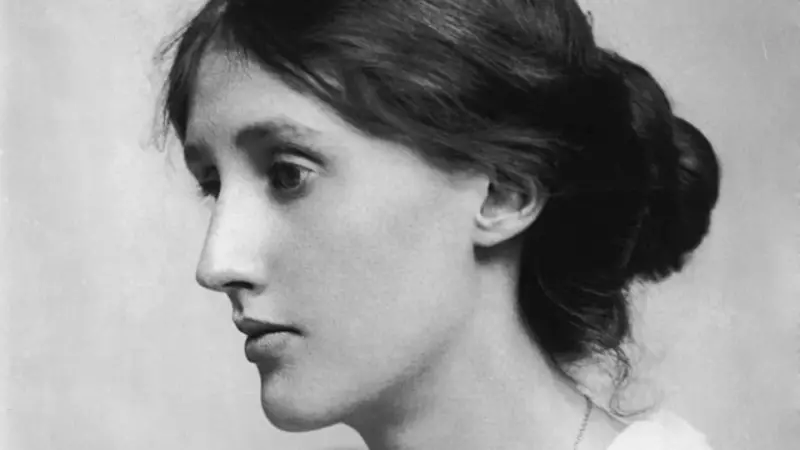
Virginia Woolf, the celebrated English writer, remains an enduring figure in literary history, known for her innovative narrative techniques and profound exploration of human consciousness. While many are familiar with her major works like Mrs. Dalloway and To the Lighthouse, there are several lesser-known aspects of her life and career that offer deeper insights into her genius and personal struggles.
Unveiling the Hidden Facets of Virginia Woolf's Life
Beyond her public persona as a pioneering modernist author, Virginia Woolf led a complex life marked by creativity, mental health challenges, and a relentless pursuit of artistic expression. Her contributions extend far beyond her novels, influencing feminist thought and literary criticism for generations. Here, we delve into five intriguing facts that shed light on the woman behind the words.
1. Her Unique Writing Rituals and Environment
Virginia Woolf was known for her meticulous writing habits, often composing her works while standing at a custom-made desk. She believed that this posture helped her maintain focus and energy during long writing sessions. Additionally, she preferred to write in the mornings, finding that the quiet hours fueled her creativity and allowed her to delve deeply into her characters' inner worlds.

2. The Influence of Mental Health on Her Work
Throughout her life, Woolf battled severe mental health issues, including bouts of depression and what is now believed to be bipolar disorder. These struggles profoundly shaped her writing, as seen in her nuanced portrayals of psychological states and fragmented narratives. Her openness about her experiences, though often painful, contributed to a broader understanding of mental illness in literature.
3. Her Role in the Bloomsbury Group
As a central figure in the Bloomsbury Group, an influential collective of intellectuals, artists, and writers in early 20th-century London, Woolf engaged in vibrant discussions that challenged conventional norms. This environment fostered her experimental style and progressive views on gender, sexuality, and society, which are reflected in her essays and fiction.
4. Lesser-Known Publications and Essays
While her novels are widely read, Woolf also authored numerous essays, reviews, and shorter works that showcase her sharp intellect and critical prowess. Pieces like A Room of One's Own have become feminist classics, arguing for women's financial and creative independence. These writings highlight her versatility and enduring relevance in literary and social discourse.
5. Her Impact on Modern Literary Techniques
Virginia Woolf's innovative use of stream-of-consciousness narration and interior monologue revolutionized modern literature, influencing countless writers worldwide. Her ability to capture the fluidity of thought and emotion set new standards for character development and narrative structure, cementing her legacy as a trailblazer in the literary world.
In summary, Virginia Woolf's life and work are rich with lesser-known details that enhance our appreciation of her contributions. From her personal habits to her broader cultural impact, these facts remind us of the depth and complexity behind one of English literature's most iconic figures.