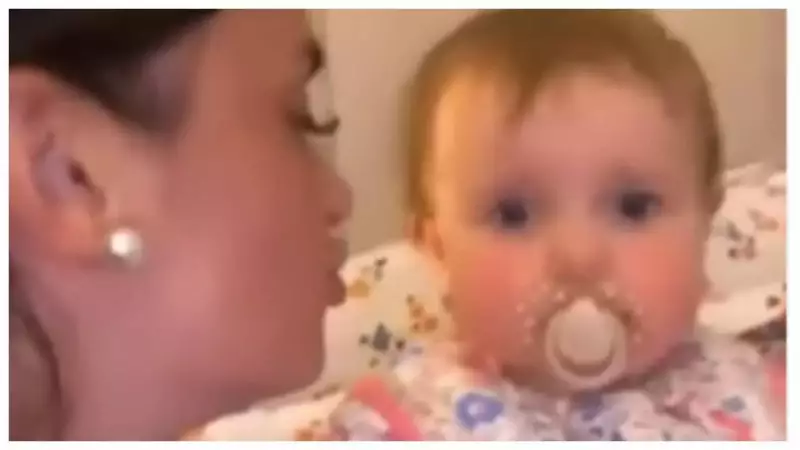
A recent social media video has captured the hearts of the internet, perfectly showcasing the unpredictable and often hilarious world of baby expressions. In the clip, a woman leans in to give a sweet kiss to an adorable baby girl. Instead of a gummy smile or a coo, the baby, pacifier firmly in mouth, responds with a full-on, dramatic eye roll. The woman's shocked and confused reaction only adds to the comedy of the moment, leaving viewers in stitches.
The Hilarious Viral Moment That Started It All
The video, originally shared by the platform Unilad, features a baby girl who seems utterly unimpressed by the affectionate advance. With a pacifier in her mouth, she delivers a look of pure 'attitude', rolling her eyes as if to say, "Not now, I'm busy." This tiny, non-verbal dismissal has resonated with millions, highlighting how babies, long before they can speak, have a powerful repertoire of communication through their faces. These moments are more than just cute; they are vital building blocks as infants learn to interact with and understand their surroundings.
Why Do Babies Make Such Funny Faces?
The science behind these comical expressions is fascinating. A baby's facial muscles and the neural pathways controlling them are still under development. This means their smiles, frowns, and surprised looks don't always function like an adult's. The result is a wonderful array of unpredictable expressions: crossed eyes, lopsided grins, and sudden shocked looks that seem to come out of nowhere.

Far from being a cause for concern, these quirky faces are a sign of healthy growth and development. Babies are essentially practicing and strengthening their facial muscles. Over time, the random twitches and expressions evolve into the intentional smiles, genuine cries, and playful grins we recognize.
Common and Adorable Baby Expressions Decoded
Every baby develops a unique set of funny faces, but some classics are almost universal. Here are a few crowd-pleasers you might recognize:
- The "What Was That?" Look: Wide eyes, an open mouth, and a tilted head, as if they just heard the most intriguing sound.
- The Concentrated Tongue-Out: A serious expression with the tongue sticking out, often seen during intense play or focus.
- The "Angry Baby" Face: A comical frown with a scrunched-up nose and squinted eyes, even when they're perfectly content.
- The Surprise Scream: A sudden, loud "Aaah!" accompanied by wide eyes and an open mouth, usually during excited play.
- The Cross-Eyed Stare: Eyes crossing while trying to focus on a nearby toy or their own nose.
Unlike adults, babies don't filter or hide their emotions. What they feel is written across their entire face, which is why a happy baby seems to light up the room. Scientists believe humans are hardwired to find these features—large eyes, rounded cheeks, small noses—endearing. This "baby schema" triggers protective and caring instincts in adults, making us want to engage with and look after them.
A Joyful Reminder to Savor the Little Moments
In the rush of daily life, it's easy to overlook these small, humorous interactions. A baby's silly expression—be it a goofy grin, a cross-eyed stare, or an epic eye roll—has the power to turn a stressful day into a moment of pure joy. These phases are fleeting. As infants gain more control, their expressions become more refined and adult-like. The viral video of the eye-rolling baby is more than just a laugh; it's a charming snapshot of a brief, wonderful stage of human development, reminding us all to slow down and appreciate the comedy in the details.