Vijaya Ekadashi Vrat Katha: The Sacred Story for Achieving Success and Removing Troubles
In the rich tapestry of Hindu spiritual traditions, Vijaya Ekadashi holds a revered place as a day of fasting, prayer, and profound devotion. This sacred observance, deeply rooted in ancient scriptures, is believed to bestow victory over life's challenges and pave the way for success. The accompanying Vrat Katha, or sacred story, serves as a spiritual guide, inspiring devotees to embrace discipline and faith.
The Significance of Vijaya Ekadashi
Vijaya Ekadashi falls on the eleventh day of the lunar fortnight, specifically during the Krishna Paksha (waning phase) of the Phalguna month in the Hindu calendar. The term "Vijaya" translates to victory, symbolizing the triumph of good over evil and the overcoming of personal obstacles. Observing this fast is said to purify the mind and soul, aligning devotees with divine energies that foster prosperity and peace.
The Sacred Vrat Katha: A Tale of Devotion and Redemption
According to traditional lore, the Vijaya Ekadashi Vrat Katha narrates the story of a devout king who faced immense troubles and sought divine intervention. Through unwavering faith and strict adherence to the Ekadashi fast, he not only resolved his difficulties but also attained spiritual enlightenment. This narrative emphasizes the power of dedication, highlighting how sincere observance can lead to material and spiritual success.

The story often details the rituals involved, including:
- Fasting from sunrise to sunrise, abstaining from grains and certain foods.
- Engaging in prayers, chanting of mantras, and reading of sacred texts.
- Performing charitable acts and offering donations to the needy.
How to Observe Vijaya Ekadashi for Maximum Benefit
To fully harness the blessings of Vijaya Ekadashi, devotees follow a structured approach. The fast begins at dawn and concludes the next day after performing rituals. Key practices include:
- Preparatory Phase: On the day before Ekadashi, known as Dashami, consume a light meal and avoid non-vegetarian food or intoxicants.
- Fasting Day: Refrain from eating grains, beans, and certain vegetables. Focus on fruits, milk, and root vegetables if necessary, though many opt for a complete fast.
- Spiritual Activities: Dedicate time to meditation, visit temples, and recite the Vijaya Ekadashi Vrat Katha to internalize its teachings.
- Breaking the Fast: On Dwadashi, the following day, break the fast after offering prayers and consuming a simple meal, often including grains.
Believed Benefits of Observing Vijaya Ekadashi
Devotees believe that observing Vijaya Ekadashi brings a multitude of benefits, both tangible and intangible. These include:
- Removal of Troubles: It is thought to alleviate financial, health, and personal problems, providing clarity and solutions.
- Achievement of Success: By fostering discipline and positive karma, it aids in attaining goals in career, education, and relationships.
- Spiritual Growth: The fast purifies the soul, reduces negative tendencies, and enhances inner peace and devotion.
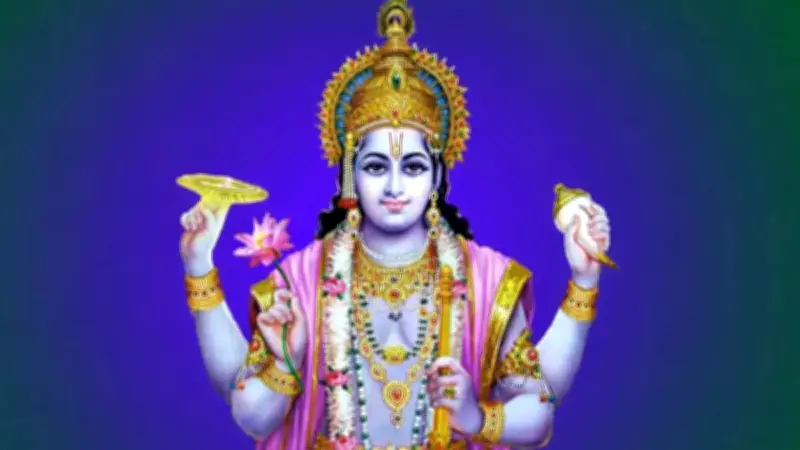
- Divine Protection: Many hold that it invites the blessings of Lord Vishnu, offering protection from adversities.
In contemporary times, the observance of Vijaya Ekadashi continues to resonate with millions, blending ancient wisdom with modern aspirations. Whether seeking solace from troubles or striving for success, this sacred practice offers a path rooted in faith and perseverance. By embracing the Vrat Katha and its rituals, devotees connect with a timeless tradition that champions resilience and spiritual fulfillment.