Vastu Shastra Warns: These 5 Plants Can Disrupt Home Energy When Placed Near the Main Door
In the ancient Indian science of architecture and design known as Vastu Shastra, the main entrance of a home is not merely a physical threshold but a vital conduit for energy flow. It is believed to be the primary channel through which both positive and negative energies enter the living space, directly influencing the well-being, prosperity, and harmony of the inhabitants. Consequently, every element near this entrance, from nameplates to decorative items, plays a crucial role in shaping the home's energetic environment. While Vastu generally promotes the use of greenery to enhance positivity, it specifically cautions against placing certain plants near the main door, as they may inadvertently block beneficial energies and attract negativity.
Understanding that the main door serves as the face of your home and the gateway for prosperity, health, and happiness is essential. What you position here is thought to bring associated energies into your household. Although plants are excellent for fostering positive vibes, selecting inappropriate ones can unknowingly invite disturbances. By steering clear of thorny, dead, or artificial plants in this area, you can cultivate a more positive and serene atmosphere. On this note, let us delve into five plants that Vastu experts strongly advise keeping away from your home's entrance to maintain optimal energy flow.
1. Cactus or Any Other Thorny Plants
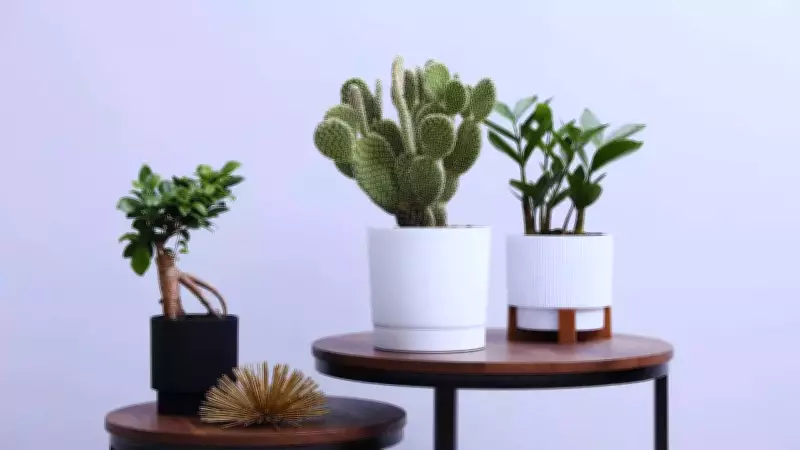
Despite their low-maintenance appeal and unique aesthetic, cactus and similar thorny plants are highly discouraged by Vastu principles when placed near the main entrance. These plants are considered unsuitable because their sharp thorns are believed to generate aggressive energy that can disrupt the peace and harmony within a home. Positioning a cactus close to the main door is thought to invite stress, conflicts, and even financial difficulties. The thorns symbolize emotional discomfort, potentially straining relationships among family members. If you have a fondness for cacti, it is recommended to keep them in less-frequented outdoor areas, away from living spaces and zones of happiness.

2. Bonsai Plants
Bonsai plants, admired for their artistic beauty and cultural significance, carry an unfavorable symbolic meaning in Vastu when situated near the home entrance. These plants are intentionally stunted in growth, which is interpreted as representing restricted progress. As a result, they may bring obstacles to personal development or career advancement, hindering the flow of positive opportunities into the household. To avoid such implications, it is best to place bonsai plants in other areas of the home or garden where their artistic value can be appreciated without affecting the entrance's energy.
3. Milky Sap Plants
Vastu also advises against plants that release milky or sticky sap near the main entrance. Such plants are associated with discomfort and toxicity, believed to create various disturbances within the house when placed by the door. Additionally, some of these plants may be mildly toxic, posing risks to children and pets. To ensure a safe and harmonious environment, avoid positioning milky sap plants like certain euphorbias near the entrance, opting instead for safer greenery that promotes positivity.
4. Cotton Plant
While cotton plants are visually appealing, Vastu does not recommend placing them near the main entrance due to traditional beliefs linking cotton to poverty and financial strain. A cotton plant positioned at the main door is said to obstruct wealth energies, potentially hindering financial prosperity. To safeguard your home's economic well-being, consider alternative plants that are believed to attract abundance and avoid cotton plants in this critical area.
5. Dead, Dried, or Artificial Plants
Never place dead, dried, or artificial plastic plants near the entrance, as per Vastu guidelines. These items are thought to carry negative energy and block the flow of new opportunities. Artificial plants, though aesthetically pleasing, are discouraged because they are lifeless and do not attract positivity. Instead, focus on maintaining live, healthy plants that can thrive and contribute to a vibrant, energetic atmosphere at your home's gateway.

By being mindful of these Vastu recommendations, you can enhance the positive energy entering your home, fostering a more harmonious and prosperous living environment. Always prioritize live, non-toxic, and thorn-free plants near the main door to invite good fortune and well-being.