Women's Pain Often Invalidated in Healthcare
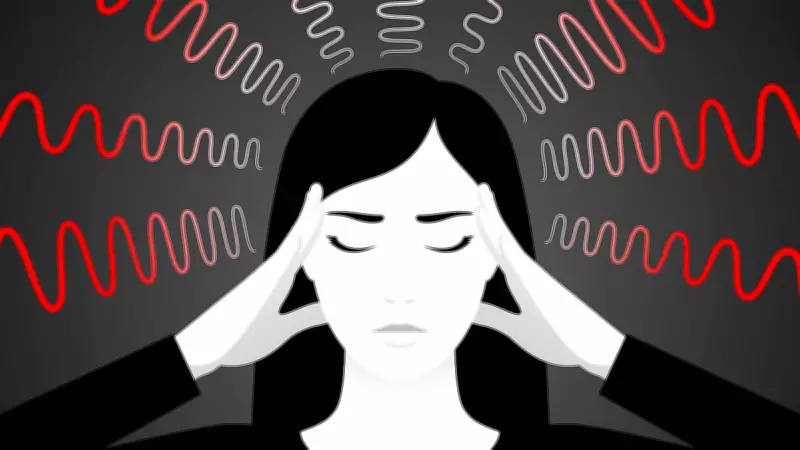
Women experiencing pain frequently feel invalidated and unseen by healthcare professionals. According to Smitha Murthy, symptoms are often dismissed as psychosomatic, leading to misdiagnosis and inadequate treatment. This phenomenon, known as the gender pain gap, stems from institutional bias, studies based on male standards, and deep-rooted cultural attitudes.
Reasons Behind Medical Gaslighting
Medical gaslighting occurs when healthcare providers dismiss patients' symptoms as psychological rather than physiological. For women, this is compounded by historical gender biases. Research shows that women are less likely to receive pain medication compared to men with the same condition. A 2008 study found that women wait longer for emergency care and are more likely to be prescribed sedatives instead of analgesics.
Impact on Diagnosis and Treatment
Conditions like endometriosis, fibromyalgia, and chronic pain syndromes are often misdiagnosed in women. Endometriosis, for example, takes an average of 7 to 10 years to diagnose. The lack of female-specific research means many treatments are based on male physiology, leading to ineffective care. According to the article, this bias is not just individual but systemic, embedded in medical education and practice.

Cultural and Institutional Factors
Cultural attitudes also play a role. Women's pain is often seen as emotional or exaggerated, while men's pain is taken more seriously. This stereotype affects how doctors interpret symptoms. Institutional factors include underrepresentation of women in clinical trials and funding disparities for conditions that primarily affect women.
Call for Change
Addressing the gender pain gap requires changes in medical training, research, and clinical practice. Healthcare professionals must be educated about these biases, and patients should be empowered to advocate for themselves. As Murthy notes, recognizing this issue is the first step toward equitable healthcare.