Centennial Sessions Pay Tribute to Mahasweta Devi and Raj Khosla
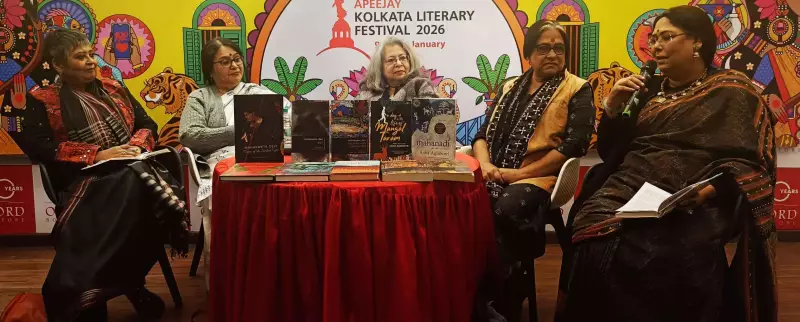
Two special centennial sessions recently honored the legacies of writer Mahasweta Devi and filmmaker Raj Khosla. These events celebrated their lasting impact on Indian literature, social thought, and cinema. The sessions brought together speakers and audiences to reflect on how these figures shaped cultural and intellectual history.
Mahasweta Devi's Enduring Relevance in Literature and Activism
The tribute to Mahasweta Devi began with a discussion about her continuing relevance today. Speakers emphasized her deep engagement with issues of marginalization and tribal rights. They noted how she combined activism with clear literary expression.
Readings from her short stories Draupadi and Stanadayini highlighted her powerful themes. Her work portrays resistance, anger, and dignity as political forces rather than personal struggles. Panellists pointed to her lived commitment to the communities she wrote about.

They also discussed her unsparing language and how her writing anticipated key social developments. Her work foreshadowed legislative changes around land and forest rights in India.
Raj Khosla's Journey from Playback Singer to Influential Director
The second centennial session focused on filmmaker Raj Khosla. It traced his remarkable journey from an aspiring playback singer to a director who left a deep imprint on Hindi cinema. The discussion drew from his authorized biography for insights.
Speakers highlighted his early association with Guru Dutt and his emergence as a director with notable films. These include CID, Kala Pani, and Woh Kaun Thi. They also noted his role as a mentor to younger filmmakers in the industry.
The session reflected on his reclusive nature and explored why his contributions remain less recognized today. Despite this, his films continue to influence contemporary cinema.
Revisiting Distinct Creative Legacies
Together, these sessions revisited two distinct creative legacies. They reaffirmed the importance of remembering artists who shaped India's cultural landscape. The events served as reminders of how literature and cinema can drive social change and intellectual discourse.
Speakers and participants left with a renewed appreciation for both figures. The tributes underscored how their work remains relevant in modern discussions about art, society, and activism.