Tribal Association Takes Strong Stand Against Misuse of Sacred Term
The Sarv Adivasi Samaj of Bastar division has raised a serious objection regarding the use of the Gondi word 'Pandum' for fairs, shows, and campaigns. This umbrella organization representing dozens of tribal communities has written directly to Chhattisgarh Governor Raman Deka and Chief Minister Vishnu Deo Sai. They argue that employing this term for public events distorts and commercializes a core element of tribal religious faith.
'Pandum' Represents Sacred Worship, Not General Festivities
Prakash Thakur, president of the Sarv Adivasi Samaj, clarified the term's true meaning. "Pandum is not a word for any festival, exhibition, programme or publicity drive," he stated firmly. "Among tribal communities, Pandum refers to a specific religious service and method of worship of village deities."
The organization explains that in Gondi tradition, Pandum constitutes a sacred ritual process. Designated community members perform this worship for village and family deities at a fixed place, on a specific date and time. The practice involves offering forest and farm produce like fruits and flowers to the deity. Collective prayers for village protection and well-being accompany these offerings.

Memorandum Demands Immediate Action
In a detailed three-page memorandum, the tribal body has demanded an immediate ban on using "Pandum" in names of both government and private events. They describe the practice as an inseparable part of their ancient religious belief, collective consciousness, and traditional life-process.
"Turning it into the title of govt and public events is contrary to our religious belief, customs and way of life," the Samaj representatives emphasized. They argue that no traditional term or ritual process should undergo appropriation for state events without obtaining Gram Sabha consent first.
The organization has sent copies of their representation to multiple authorities:
- Tribal welfare department
- Home department
- Collectors of all seven Bastar division districts
- District panchayat CEOs across the region
The affected districts include Bastar, Kondagaon, Kanker, Narayanpur, Bijapur, Dantewada and Sukma.
Government's 'Bastar Pandum' Initiative Faces Scrutiny
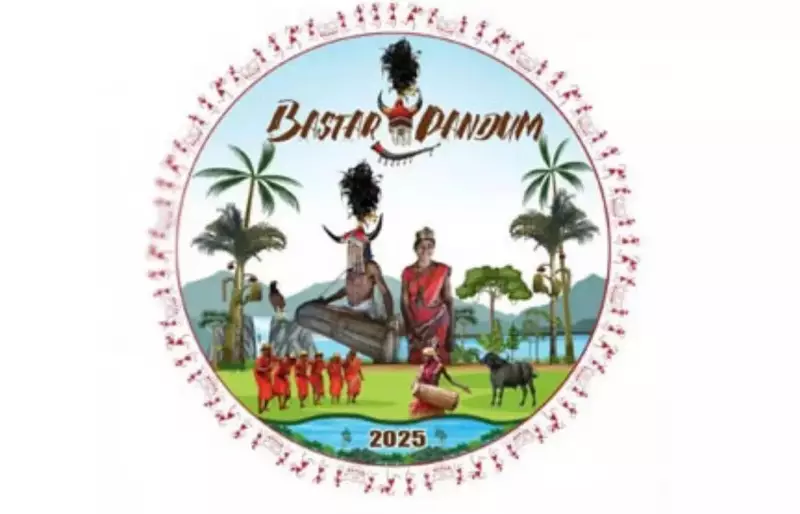
This controversy places the state government's "Bastar Pandum" initiative directly under examination. Last year, the government launched this annual festival to create platforms for tribal art and culture, encouraging public participation.
With the memorandum now public, the issue has developed a sharp political edge. Congress state president Deepak Baij has accused the BJP government of "misusing" a religiously significant tribal term for optics and publicity. "After controlling funds, the govt now wants to control words too," he alleged.
Government sources maintain a different perspective. They state that programmes like Bastar Pandum were conceived specifically to promote and celebrate tribal culture, not to hurt sentiments. The administration remains open to dialogue regarding these concerns. However, a detailed official response has not yet been issued.
The tribal body's letter makes a constitutional argument as well. "In this context, the present use of the word 'Pandum' for such programmes is unconstitutional and an attack on our religious belief," it states clearly. This development highlights ongoing tensions between cultural preservation efforts and government-led cultural initiatives in tribal regions.