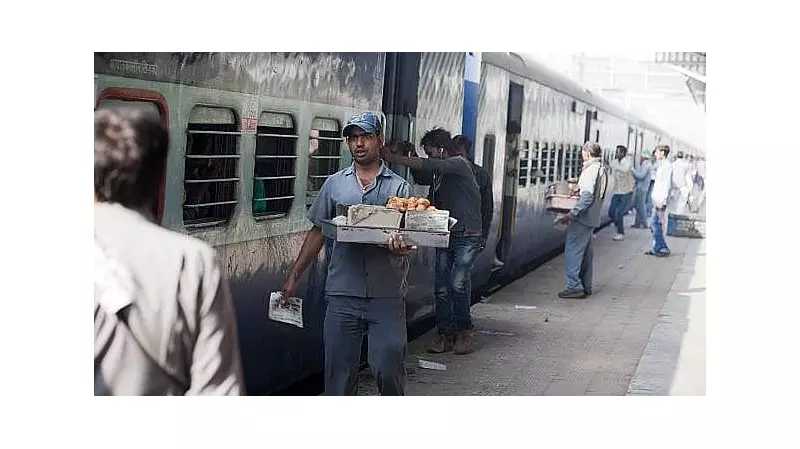
For millions across India, the rhythmic clatter of wheels on tracks is more than just the sound of travel. It is the soundtrack to personal history, a powerful catalyst for memory that transports individuals back through time. In a reflective piece, author Ritu Kamra Kumar captures this unique sentiment, articulating how trains serve as rolling timelines of our lives.
The Railway as a Time Machine
Trains in India do more than move people from one station to another. They carry the profound weight of personal experience. According to Kumar's perspective, these journeys have an unparalleled ability to pull passengers back into their own past. The shared compartments, the fleeting landscapes, and the very motion of the train become intertwined with who we were at different points in our lives.
The experience is universal, yet intimately personal. Ritu Kamra Kumar's opinion piece, published on December 17, 2025, at 19:04 IST, resonates with anyone who has ever gazed out of a train window. It suggests that the true destination of a rail journey is often not a physical place, but a moment in one's own story.
Echoes of Laughter and Shared Stories
What is it about trains that unlocks such vivid recollections? The article points to the communal nature of Indian train travel. The compartments become temporary microcosms of society, where conversations spark with strangers and bonds form over shared meals. It is in these spaces that laughter echoes loudest, stories are exchanged, and memories are forged against the backdrop of a moving panorama.
This environment creates a powerful associative memory. The scent of railway platforms, the taste of station tea, or the sound of a specific train whistle can instantly trigger a flood of emotions and recollections. The journey itself, with its inherent slowness and opportunity for reflection, is re-evaluated not as a mere transit but as a beautiful and integral part of life's narrative.
The Enduring Legacy of Rail Travel
In an age of high-speed air travel, the Indian railway retains its emotional hold. Its significance goes beyond logistics, embedding itself into the country's cultural and emotional fabric. Kumar's reflection underscores that trains provide a rare, uninterrupted space for contemplation, allowing passengers to reconnect with forgotten versions of themselves and appreciate the scenic, often overlooked, beauty of the passage.
The conclusion is clear: the value of a train journey is immeasurable when counted in memories rather than miles. It reminds us that the most important tracks are often the ones laid down in our minds, leading us back to our core experiences and connections. The rails, therefore, are not just made of steel; they are woven from the threads of personal and collective history.