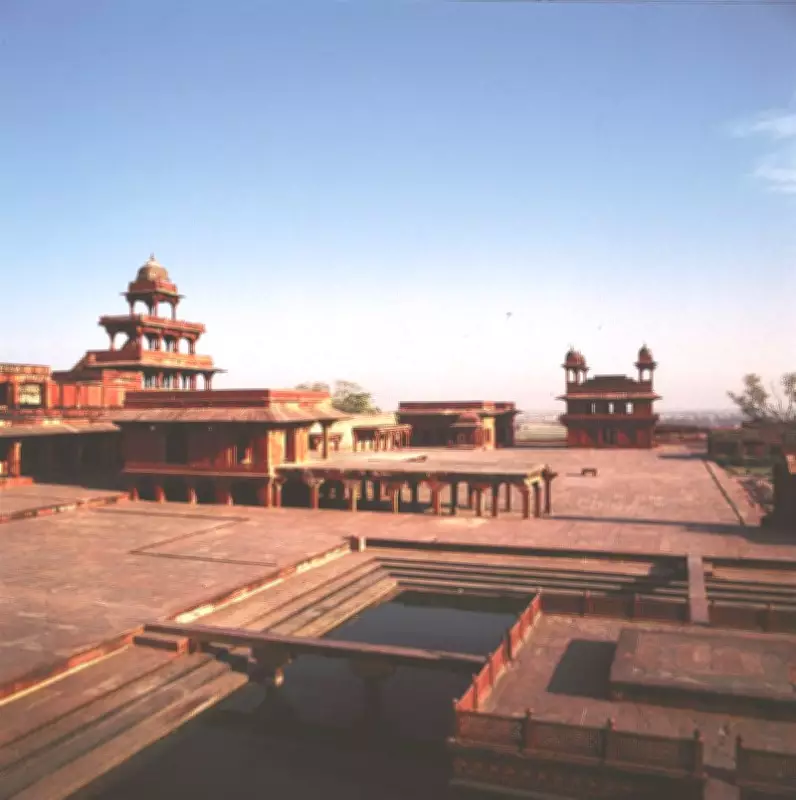
Past Matters: Timeless Lessons from Traditional Architecture
Traditional architecture, often overlooked in the rush toward modernism, holds a treasure trove of wisdom that can profoundly inform contemporary design practices. These historical structures, built with local materials and adapted to specific climates, offer sustainable solutions that remain relevant today. By studying ancient techniques, architects and designers can create buildings that are not only aesthetically pleasing but also environmentally responsible and culturally resonant.
Sustainable Design Principles from the Past
One of the most significant lessons from traditional architecture is its emphasis on sustainability. Before the advent of modern technology, builders relied on natural resources and passive design strategies to ensure comfort and durability. For example, many traditional homes feature thick walls made of mud or stone, which provide excellent thermal insulation, keeping interiors cool in summer and warm in winter. This reduces the need for artificial heating and cooling systems, lowering energy consumption and carbon footprints.
Additionally, traditional architecture often incorporates elements like courtyards, verandas, and jalis (perforated screens) to enhance natural ventilation and light. These design features promote air circulation and reduce reliance on electric lighting and air conditioning. By integrating such principles into modern projects, architects can develop buildings that are more energy-efficient and aligned with global sustainability goals.

Cultural and Contextual Relevance
Traditional architecture is deeply rooted in the cultural and social contexts of its time, reflecting the values, beliefs, and lifestyles of communities. This connection to place and people is a crucial lesson for modern design, which sometimes prioritizes universal styles over local identity. By drawing inspiration from historical structures, contemporary architects can create spaces that honor cultural heritage while meeting modern needs.
For instance, the use of local materials and craftsmanship not only supports regional economies but also fosters a sense of belonging and continuity. Traditional motifs, patterns, and spatial arrangements can be reinterpreted in innovative ways, blending old and new to produce unique architectural expressions. This approach helps preserve intangible cultural heritage and promotes diversity in the built environment.
Innovation Through Ancient Wisdom
Contrary to the notion that traditional methods are outdated, they often showcase remarkable innovation tailored to specific challenges. From earthquake-resistant techniques in ancient structures to water-harvesting systems in arid regions, traditional architecture demonstrates adaptive problem-solving that can inspire modern engineering. By studying these solutions, today's designers can develop resilient buildings capable of withstanding environmental stresses and climate change impacts.
Moreover, the holistic approach of traditional architecture—considering factors like orientation, landscape, and community interaction—offers a model for integrated design thinking. Modern projects that embrace this comprehensive perspective can achieve greater harmony with their surroundings and enhance the quality of life for occupants.
Challenges and Opportunities in Application
While the lessons from traditional architecture are valuable, applying them in contemporary contexts presents challenges. Issues such as urbanization, changing lifestyles, and regulatory constraints require careful adaptation. However, these obstacles also create opportunities for creative synthesis, where ancient principles are fused with cutting-edge technology to produce forward-looking designs.
For example, digital tools like Building Information Modeling (BIM) and parametric design can optimize traditional forms for modern efficiency. Similarly, advancements in sustainable materials allow for the replication of traditional aesthetics with improved performance. By embracing this hybrid approach, the architecture industry can bridge the gap between past and future, crafting spaces that are both timeless and timely.

In conclusion, traditional architecture is not merely a relic of the past but a vital source of inspiration for the future. Its lessons in sustainability, cultural relevance, and innovation provide a robust framework for addressing today's design challenges. As we navigate an era of rapid change, looking back to these timeless principles can guide us toward more thoughtful, resilient, and meaningful built environments.