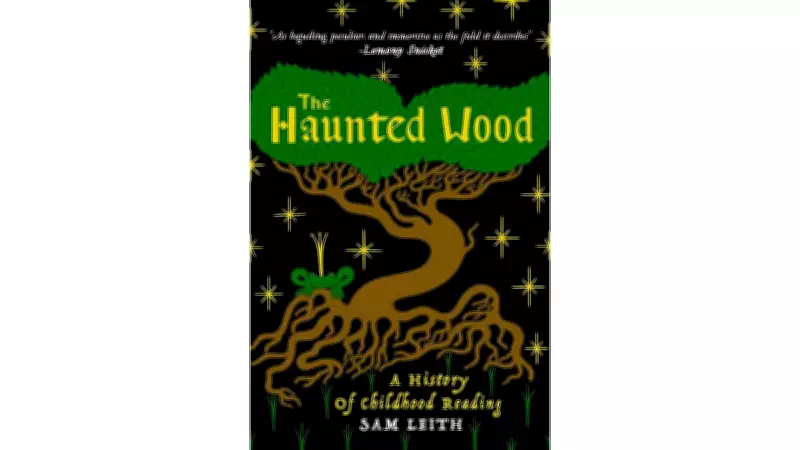
The Haunted Wood: A Deep Dive into Children's Literature's Transformative Power
In the realm of literary criticism, The Haunted Wood emerges as a groundbreaking work that compellingly demonstrates why children's literature is far more than mere entertainment—it actively shapes our minds and hearts from a young age. This insightful book review, originally published on January 31, 2026, by Chintan Girish Modi, delves into the profound impact of stories crafted for young readers, offering a fresh perspective on a genre often overlooked in serious literary discourse.
Challenging Assumptions About Children's Literature
What sets The Haunted Wood apart is its curious and reflective stance towards the very construct of children's literature. Instead of taking this genre for granted as a simple or secondary form of writing, the book critically examines its foundations, purposes, and societal roles. This approach encourages readers to rethink common perceptions, highlighting how narratives aimed at children are intricately designed to influence cognitive frameworks, moral reasoning, and emotional intelligence.
By adopting this analytical lens, the review underscores that children's literature is not just about fairy tales or adventures; it is a powerful tool for shaping young minds during their most formative years. The stories we expose children to can instill values, foster empathy, and develop critical thinking skills, laying the groundwork for their future worldview and interpersonal relationships.

The Enduring Impact on Cognitive and Emotional Development
The analysis in The Haunted Wood reveals how children's books serve as early architects of thought and feeling. Through engaging plots and relatable characters, these works introduce complex concepts in accessible ways, helping children navigate emotions, social dynamics, and ethical dilemmas. This process is crucial for heart development, as it cultivates compassion and resilience, while also sharpening mental faculties through imaginative engagement and problem-solving scenarios.
Moreover, the book emphasizes that this influence extends beyond childhood, as the narratives absorbed early in life often leave lasting imprints on adult perspectives. By shaping hearts and minds from a young age, children's literature contributes to broader cultural and personal identities, making it a vital area of study for educators, parents, and literary scholars alike.
Why This Review Matters Today
In an era where digital media competes for children's attention, understanding the unique role of traditional children's literature becomes increasingly important. The Haunted Wood provides a timely reminder of the genre's significance, advocating for its continued relevance in nurturing well-rounded individuals. This review not only celebrates the artistic merits of children's books but also calls for a deeper appreciation of their educational and psychological benefits.
Ultimately, The Haunted Wood stands as a testament to the transformative power of storytelling, urging us to recognize children's literature as a cornerstone of personal and societal development. Its insights remind us that the stories we share with the young are not just tales—they are building blocks for the minds and hearts of future generations.