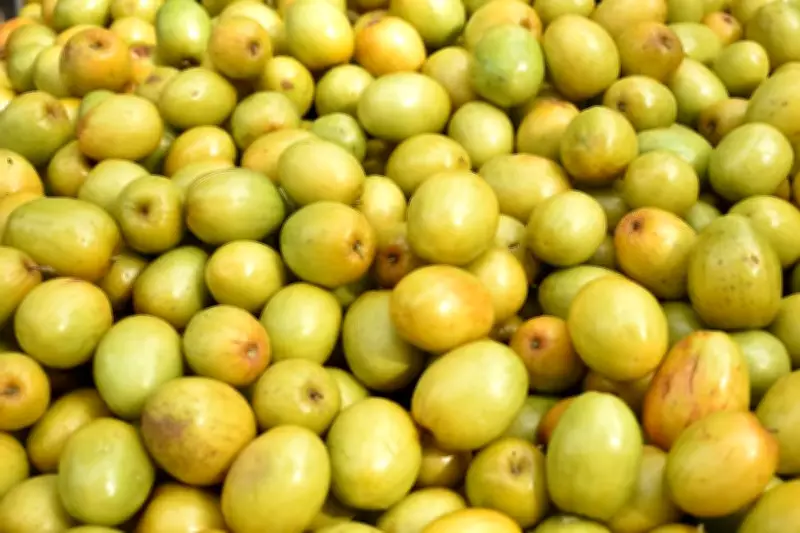
The Enduring Allure of Scrumping: A Nostalgic Look at Childhood's Forbidden Fruit
Scrumping, the age-old practice of sneaking into orchards to pilfer apples, pears, or other fruits, holds a peculiar charm that transcends generations. For many, it evokes vivid memories of youthful adventures, where the thrill of the forbidden outweighed the risk of getting caught. This simple act, often dismissed as petty theft, is deeply embedded in cultural folklore, symbolizing a connection to nature and a rebellion against societal norms.
A Glimpse into Childhood Mischief
At its core, scrumping is more than just stealing fruit; it is a rite of passage for countless children growing up in rural or suburban areas. The excitement begins with the planning—scouting the perfect orchard, choosing the ripest targets, and devising escape routes. The actual act is a blend of stealth and adrenaline, as young adventurers tiptoe through rows of trees, their hearts pounding with each rustle of leaves. The reward, a handful of sun-warmed apples, tastes sweeter precisely because it was earned through daring.
This experience is often shared among friends, fostering bonds over shared secrets and laughter. It teaches lessons in teamwork, risk assessment, and the consequences of actions, albeit in a low-stakes environment. For adults looking back, these memories are tinged with nostalgia, representing a time when life was simpler and joys were found in small, illicit pleasures.

Cultural and Historical Significance
Scrumping has roots in agricultural societies, where fruit trees were common and boundaries between properties were less rigid. In literature and folklore, it appears as a symbol of youthful exuberance and a gentle defiance of authority. From classic novels to oral traditions, stories of scrumping highlight a universal theme: the human desire to reclaim a bit of wildness in an increasingly regulated world.
In modern times, as urbanization spreads and private property laws tighten, scrumping has become rarer. Yet, it persists in memory as a testament to a bygone era. It reflects a cultural shift where childhood is now more supervised, and such spontaneous adventures are often replaced by structured activities. This loss adds to the nostalgic appeal, making scrumping a cherished relic of freer days.
The Psychological Appeal of Forbidden Fruit
Why does scrumping hold such a powerful grip on our imaginations? Psychologically, it taps into the allure of the forbidden. The act of taking something that isn't rightfully yours, especially from nature, carries a primal thrill. It's a small rebellion that allows individuals to feel a sense of agency and adventure, breaking monotony with a dash of risk.
Moreover, scrumping connects people to the seasons and the land. It involves an intimate knowledge of when fruits are ripe and which trees yield the best harvest. This engagement with the natural world fosters a deeper appreciation for food sources and the cycles of growth, something often lost in today's supermarket culture.
Scrumping in Contemporary Context
While traditional scrumping may be declining, its spirit lives on in new forms. Urban foraging, where people collect edible plants from public spaces, echoes the same principles of resourcefulness and connection to nature. Community gardens and fruit-sharing initiatives also channel the communal aspect of scrumping, promoting sustainability and reducing waste.
However, it's important to acknowledge the legal and ethical considerations. Scrumping, when done without permission, can trespass on private property and cause damage. Yet, in many cases, it's viewed with a wink and a nod, especially if the fruit would otherwise go to waste. This leniency underscores its cultural acceptance as a harmless, if mischievous, tradition.

Conclusion: A Sweet Memory of Simpler Times
Scrumping remains a poignant symbol of childhood innocence and adventure. It reminds us of a time when joy could be found in the simplest of acts—climbing a tree, sharing a stolen apple with friends, and feeling the rush of a small victory. As society evolves, this practice may fade, but its legacy endures in stories, memories, and the occasional nostalgic smile. For those who have experienced it, scrumping is not just about fruit; it's about the sweet taste of freedom and the enduring thrill of the chase.