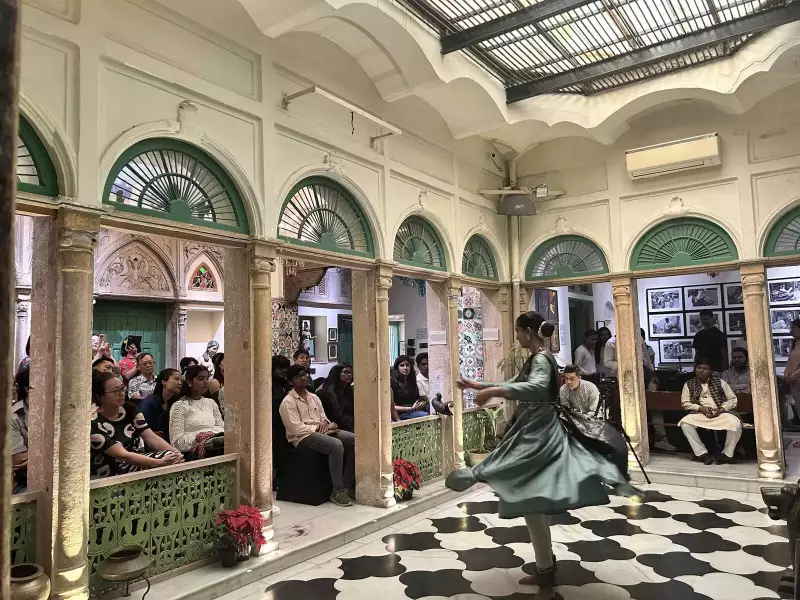
In the heart of Old Delhi, where history whispers through ancient walls, a remarkable cultural convergence unfolded as Taiwanese and Indian literary voices came together for an extraordinary dialogue. The serene Amrit Vatika provided the perfect backdrop for this cross-cultural literary exchange that transcended geographical boundaries.
A Meeting of Literary Minds Across Seas
The event featured an impressive lineup of literary talent from both nations. Representing Taiwan were acclaimed authors Hsia Yu, renowned for her avant-garde poetry, and Kevin Chen, whose novels explore complex Taiwanese identities. From the Indian side, the dialogue included celebrated writers Mridula Garg and Satyanand Nirupam, both respected voices in contemporary Indian literature.
Bridging Cultures Through Shared Stories
What made this literary gathering particularly significant was its focus on universal human experiences that resonate across cultures. The authors delved into themes of identity, migration, love, and belonging – topics that find echoes in both Taiwanese and Indian societies. Through readings and discussions, they discovered surprising parallels in their literary landscapes despite the geographical distance.

The power of translation emerged as a central theme, with authors emphasizing how translated works can build bridges between cultures that might otherwise remain distant. Several Taiwanese works have been translated into Hindi, while Indian classics are finding new readers in Taiwan through Chinese translations.
Old Delhi's Magical Ambiance
The choice of venue added layers of meaning to the event. Amrit Vatika, nestled in the historical precincts of Old Delhi, symbolized the rich cultural heritage that India brings to such exchanges. The garden setting, away from the bustling city noise, created an intimate atmosphere where meaningful conversations could flourish.
Cultural Diplomacy Through Literature
This literary dialogue represents more than just an academic exchange; it's a form of cultural diplomacy that strengthens people-to-people connections between Taiwan and India. As one participant noted, "When we share our stories, we discover our common humanity despite our different political systems and historical paths."
The event also featured book displays showcasing Taiwanese literature available in Indian languages and Indian works that have found appreciation in Taiwan. This visual representation of the growing literary exchange underscored the potential for deeper cultural understanding between the two nations.
Future Collaborations and Lasting Impact
Participants expressed hope that this dialogue would be the first of many such exchanges. Plans are underway for translation projects that would make more Taiwanese literature accessible to Indian readers and vice versa. The success of this event demonstrates the hunger for diverse literary voices and the power of books to connect cultures that might seem worlds apart.
As the evening concluded with authors signing books and exchanging contact information, it was clear that this literary dialogue had planted seeds for a growing cultural relationship between Taiwan and India – one story at a time.