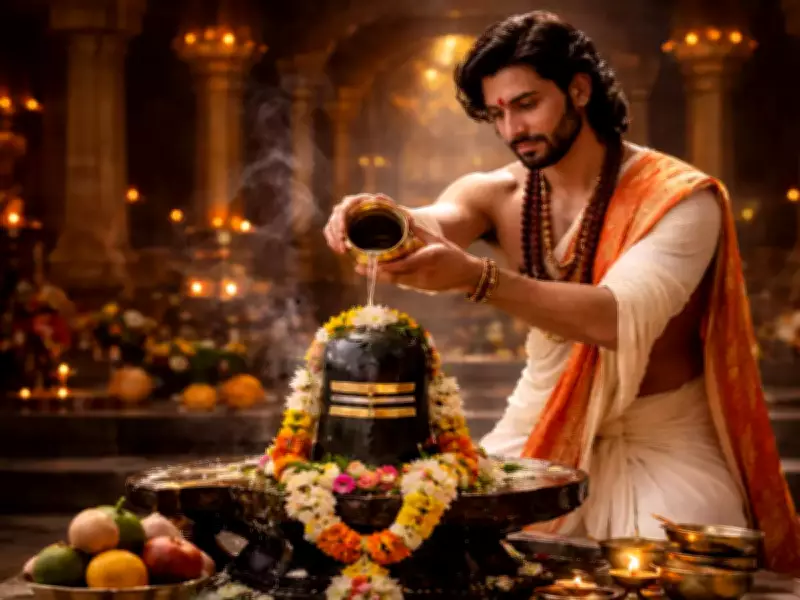
The Supreme Deity: Understanding Lord Shiva's Role in Hinduism
In the vast pantheon of Hindu deities, Lord Shiva stands as the supreme being, revered as one of the principal trinity gods alongside Lord Brahma and Lord Vishnu. Known as the destroyer within the cosmic cycle, Shiva embodies profound concepts of metamorphosis, spiritual awakening, heightened consciousness, and the eternal cycles of new beginnings and rebirth. His iconic appearance is not merely artistic representation but a rich tapestry of symbolic elements, each carrying deep philosophical and spiritual significance that illuminates facets of the universe, human consciousness, and the journey of life itself.
The Celestial Crescent: Moon as Timekeeper and Mood Regulator
The crescent moon gracefully adorning Lord Shiva's matted hair represents the eternal rhythm of time and the fluctuating nature of human experience. This celestial symbol governs the cyclical patterns of day and night, the transition between light and darkness, and the changing seasons that shape our world. Beyond physical phenomena, it mirrors the menstrual cycle, emotional fluctuations, and the constant process of renewal that characterizes existence. Shiva, as the master of these cycles, controls the waxing and waning phases of the moon, which themselves symbolize the dynamic flow of cosmic energy throughout the universe.
The All-Seeing Third Eye: Gateway to Higher Awareness
Perhaps the most distinctive feature of Lord Shiva is his third eye, positioned vertically on his forehead. This powerful symbol represents intuitive wisdom, heightened awareness, and the sixth sense that transcends the limitations of the physical realm. The third eye signifies profound insight and spiritual knowledge that exists beyond material concerns, serving to dispel illusions and darkness from human thought while guiding individuals toward ultimate reality and truth.

Sacred Ashes: From Material Existence to Spiritual Liberation
The holy ashes, known as bhasma, that cover Lord Shiva's body carry profound metaphysical meaning. These ashes symbolize the conclusion of the journey through the material world and represent the ultimate spiritual goal of salvation or moksha. As bhasma dhari, Shiva demonstrates the transformative path from everything to nothing, reminding devotees of the impermanent nature of physical existence and the eternal truth of spiritual liberation.
Serpent Vasuki: Mastery Over Fear and Transformation
The snake Vasuki coiled around Lord Shiva's neck represents the powerful kundalini energy that lies dormant within every individual. This serpentine symbol illustrates the spiritual journey from illusion to reality, from darkness to enlightenment, and from fear to fearlessness. Vasuki's presence signifies Shiva's complete mastery over death and fear, while simultaneously representing strength, bravery, and the transformative power that enables spiritual evolution.
Ganga's Divine Flow: Purity, Fertility, and Spiritual Wisdom
The sacred river Ganga flowing from Shiva's matted hair embodies multiple layers of symbolic meaning. Representing purity, fertility, and the essence of life itself, the divine Ganga symbolizes the continuous flow of spiritual wisdom and purification. This imagery illustrates how Shiva channels divine power through the sacred waters, offering devotees a path to spiritual cleansing and enlightenment.
The Mighty Trident: Cosmic Control and Fundamental Forces
Lord Shiva is consistently depicted holding the trident, or trishul, a weapon with deep philosophical significance. The three prongs represent the fundamental cosmic processes of creation, preservation, and destruction that govern the universe. Additionally, the trishul symbolizes Shiva's mastery over the three gunas—rajas (activity), tamas (inertia), and satva (purity)—that constitute all material existence according to Hindu philosophy.
Nandi the Bull: Embodiment of Strength and Devotion
The divine bull Nandi, always seen accompanying Lord Shiva, serves as both vehicle and most ardent devotee. Nandi represents physical and spiritual strength, unwavering loyalty, and pure devotion. As Shiva's constant companion, Nandi exemplifies the ideal relationship between deity and devotee, demonstrating how strength and steadfast commitment form the foundation of spiritual practice.

Rudraksha Beads: Sacred Protection and Focused Devotion
Rudraksha beads hold special significance as one of Lord Shiva's primary symbols, believed to have originated from his tears. These sacred beads represent deep devotion, divine protection, and concentrated spiritual focus. Traditionally worn by devotees, rudraksha beads are considered powerful talismans that offer protection from negative forces, evil energies, and the malevolent gaze, while simultaneously enhancing spiritual practice and connection to the divine.
Each of these symbols forms an integral part of Lord Shiva's divine iconography, creating a comprehensive visual language that communicates complex spiritual concepts. Together, they paint a portrait of a deity who embodies destruction and creation, fear and fearlessness, material existence and spiritual liberation—a perfect balance of opposing forces that reflects the fundamental nature of the universe itself.