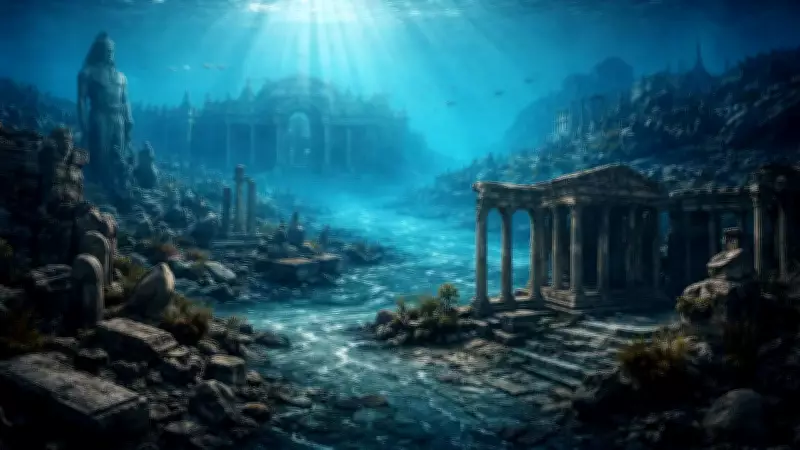
Sunken Cities: Uncovering Ancient Civilizations Lost Beneath the Seas
For centuries, stories of cities that vanished into the ocean depths have captivated imaginations worldwide. While legends like Atlantis remain mythical, scientific discoveries confirm that real cities lie submerged today. These underwater sites are not only intriguing but serve as vital time capsules, preserving the legacy of ancient cultures.
According to UNESCO's 2001 Convention, such submerged cities are recognized as cultural heritage sites, offering valuable insights into past civilizations and the natural events that led to their disappearance. Often, these cities were not lost suddenly but gradually due to factors like earthquakes and rising sea levels. Modern technologies, including sonar mapping, are now enabling archaeologists to explore these hidden worlds.
Ancient Cities That Now Lie Underwater
These sunken cities provide a glimpse into civilizations that thrived in coastal or riverine regions. Each site tells a unique story of human achievement, now resting underwater due to nature's powerful forces.

Thonis-Heracleion: Egypt's Lost Port City
Thonis-Heracleion stands as one of the most significant underwater discoveries, an ancient Egyptian port city crucial for trade. Located at the Nile's mouth, it served as a gateway for Greek ships entering Egypt. For centuries, it was known only through historical texts by figures like Herodotus, until its rediscovery in the early 1990s.
Pavlopetri: The World's Oldest Submerged City
Off the coast of Greece, Pavlopetri is believed to be over 5,000 years old, remarkable for its exceptional preservation. Underwater, roads, houses, and burial sites remain visible. UNESCO protects such sites as underwater cultural heritage, vital for understanding early human settlements. Likely submerged by earthquakes or floods, Pavlopetri offers insights into ancient urban planning.
Port Royal: The "Wickedest City" Lost in a Day
Once a thriving Jamaican port known for trade and piracy, Port Royal was famed for its opulent lifestyle. In 1692, a devastating earthquake caused much of the city to sink, leaving ruins that provide a snapshot of life from that era.
Alexandria: Egypt's Submerged Royal Quarter
Parts of ancient Alexandria, including the royal palace and landmarks, now lie beneath the Mediterranean Sea, submerged due to earthquakes and coastal changes. Underwater explorations have retrieved numerous artifacts from this area.
Baiae: Rome's Underwater Luxury Resort
Baiae was a luxurious resort for wealthy Romans, featuring villas and public baths. Volcanic activity gradually sank the land, and today, divers can see well-preserved mosaics, sculptures, and buildings underwater.
Why These Cities Disappeared
The submergence of these cities was often a gradual process. Key factors include rising sea levels after the last Ice Age, which flooded coastal areas, and geological events like earthquakes and volcanic activity that shifted landmasses. This highlights the profound dependence of ancient civilizations on natural environments.
What Underwater Cities Reveal
Underwater archaeology offers a fresh perspective on history. Unlike land-based ruins, which degrade from weather and human activity, submerged sites often preserve artifacts better. Discoveries of tools, ceramics, and structures help historians reconstruct past cultures, reminding us that entire civilizations can vanish without a trace.
What These Lost Cities Reveal Today
While tales of sunken cities might seem like fiction, they are real and widespread, from Egyptian ports to Roman resorts. As technology advances, more such cities will likely be uncovered, each discovery bringing us closer to understanding the lives of people who once walked streets now underwater.