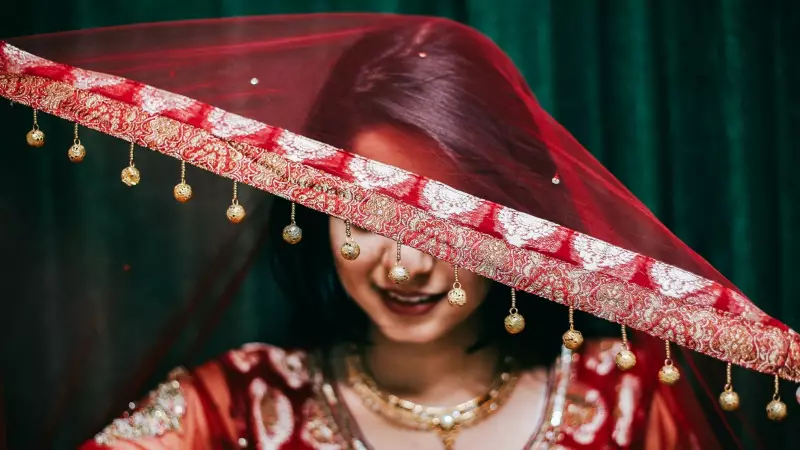
In the rich tapestry of Indian wedding traditions, few rituals are as visually stunning and spiritually profound as the Solah Shringaar. This ancient practice, translating literally to "16 adornments," represents a complete ritual of beautification for a woman, most notably a bride, before an auspicious occasion. Far more than mere makeup or decoration, each of the sixteen steps is a sacred blessing, invoking prosperity, fertility, love, protection, and happiness for her marital journey.
The Spiritual Essence of the 16 Adornments
Rooted in classical Hindu texts, temple art, and poetry, Solah Shringaar is a timeless tradition. Historically, it was embraced by queens, dancers, and noblewomen before festivals, temple visits, and of course, wedding ceremonies. The philosophy behind this elaborate ritual is deeply symbolic. It reflects the core Indian belief that a woman embodies Shakti, or divine feminine power. The act of dressing the body with these specific, sacred ornaments is believed to awaken this inner divinity, aligning body, mind, and soul to achieve true beauty.
This alignment is central to the ritual's meaning. Each element of the Shringaar corresponds to a specific part of the body and carries its own spiritual weight, transforming the bride's preparation into a meditative and empowering process. Evidence of this tradition's antiquity can be seen in historical sculptures across India, from the intricate carvings of Khajuraho to the majestic murals of the Ajanta caves, depicting women engaged in these very rituals.
The Complete List of Solah Shringaar Elements
Today, in countless Indian households, the bride performs this ritual on her wedding day, symbolising her transition into a new life. Here is the traditional list of the sixteen adornments and their profound significance:
Sindoor: The vermillion powder applied in the hair parting is a potent symbol of marital status and is believed to ensure the longevity and well-being of the husband.
Bindi: Placed on the forehead, the bindi is said to enhance concentration, retain energy, and protect the wearer from negative forces.
Kajal (Kohl): Applied to the eyes, kajal enhances beauty and is traditionally believed to ward off the evil eye and protect vision.
Gajra: A fragrant string of flowers adorning the hair, representing purity, beauty, and the sweet fragrance of the new beginning.
Maang Tikka: This ornament, worn on the forehead and falling onto the hair parting, is believed to enhance intuition and protect the "ajna chakra" or the third eye.
Mangalsutra: The most recognizable symbol of marriage, this sacred necklace represents the eternal bond of unity, love, and commitment between husband and wife.
Nath (Nose Ring): A symbol of elegance and tradition, the nose ring is also associated with the bride's health and prosperity.
Earrings: Beyond their aesthetic appeal, earrings symbolise feminine grace and are believed to have acupressure benefits.
Necklace: Adorning the neck, it enhances beauty and carries deep cultural and familial significance, often passed down through generations.
Bajuband (Armlet): Worn on the upper arm, this traditional ornament signifies strength and protection.
Bangles: The sound of glass or metal bangles represents prosperity, joy, and the fullness of married life.
Hathphool (Hand Harness): This intricate piece of hand jewellery symbolises the bride's dedication, beauty, and the bond that ties her hands in a sacred promise.
Rings: Worn on the fingers, rings are both decorative and symbolic of commitment, love, and the endless cycle of life.
Anklets: Their gentle, tinkling sound is considered auspicious and is believed to attract positive energy and ward off negative vibrations.
Toe Rings: Typically worn by married women, toe rings represent love, marital bliss, and are also linked to health benefits in Ayurveda.
Itra (Fragrance): The final touch, a pleasing fragrance adds an element of sensuality and freshness, completing the transformation of the bride.
A Timeless Legacy Beyond Beauty
In an era of rapidly evolving beauty standards and rituals, the Solah Shringaar stands as a poetic and powerful reminder of a holistic worldview. It teaches that in Indian tradition, beauty is not merely a matter of appearance. It is an intricate weave of identity, ritual, memory, and divine grace. Each element tells a story, carries a blessing, and connects the modern bride to an unbroken lineage of women who have embarked on the sacred journey of marriage, adorned not just in gold and flowers, but in the hopes and prayers of generations.