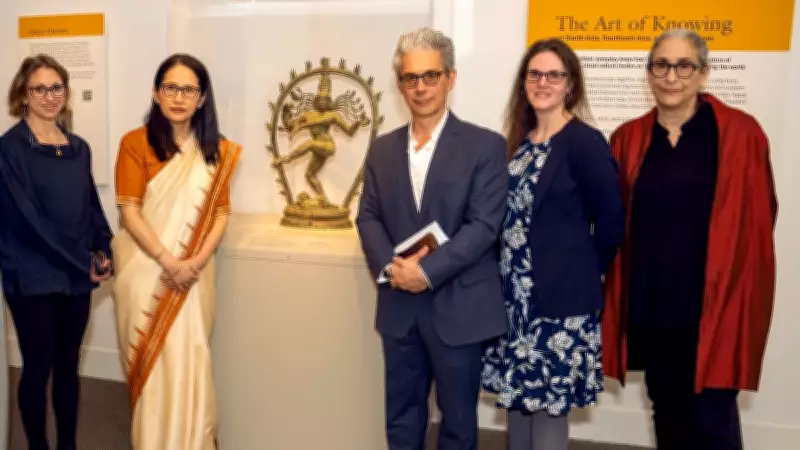
Smithsonian Museum to Return Three Stolen Antique Statues to Tamil Nadu Temples
The Smithsonian Institution, a renowned museum and research complex in the United States, has announced its decision to repatriate three antique statues that were stolen from temples in Tamil Nadu, India. This move follows a comprehensive investigation into the illicit origins of these artifacts, highlighting ongoing efforts to address cultural heritage theft globally.
Details of the Stolen Artifacts
The three statues in question are significant cultural and religious artifacts believed to have been looted from ancient temples in Tamil Nadu. They include intricately carved stone or bronze figures, possibly depicting Hindu deities or mythological scenes, which hold immense historical and spiritual value for the local communities. The exact temples from which they were stolen have not been fully disclosed, but authorities suspect they were taken during periods of neglect or illegal excavation.
Investigation and Provenance Research
The Smithsonian's decision stems from rigorous provenance research, which traced the statues' history back to their theft in India. This investigation involved collaboration with Indian authorities, including the Archaeological Survey of India (ASI) and law enforcement agencies, to verify the artifacts' origins. Evidence suggests that the statues were smuggled out of India and entered the international art market before being acquired by the museum, possibly through donations or purchases without proper due diligence.

Repatriation Process and Significance
The repatriation process is set to begin soon, with the Smithsonian working closely with the Indian government to facilitate the safe return of the statues. This act is seen as a positive step in rectifying historical injustices and promoting ethical practices in the museum sector. It underscores the importance of protecting cultural heritage and respecting the rights of source countries to reclaim stolen artifacts.
Broader Implications for Cultural Heritage
This case adds to a growing trend of museums worldwide returning looted artifacts to their countries of origin. It highlights the need for stricter regulations and transparency in the art trade to prevent future thefts. For Tamil Nadu, the return of these statues is expected to bolster efforts to preserve and restore its rich temple heritage, which has faced challenges from looting and illegal trafficking over the years.
Key Points:- The Smithsonian Museum will return three antique statues stolen from Tamil Nadu temples.
- An investigation confirmed the statues were illicitly taken and smuggled out of India.
- Repatriation involves collaboration between US and Indian authorities.
- This move supports global efforts to combat cultural heritage theft.
In summary, the Smithsonian's repatriation of these stolen statues marks a significant milestone in the fight against art trafficking and reinforces the commitment to ethical stewardship of cultural artifacts. It serves as a reminder of the ongoing need to safeguard historical treasures for future generations.