Smithsonian Announces Return of Three Sacred Indian Bronzes to India
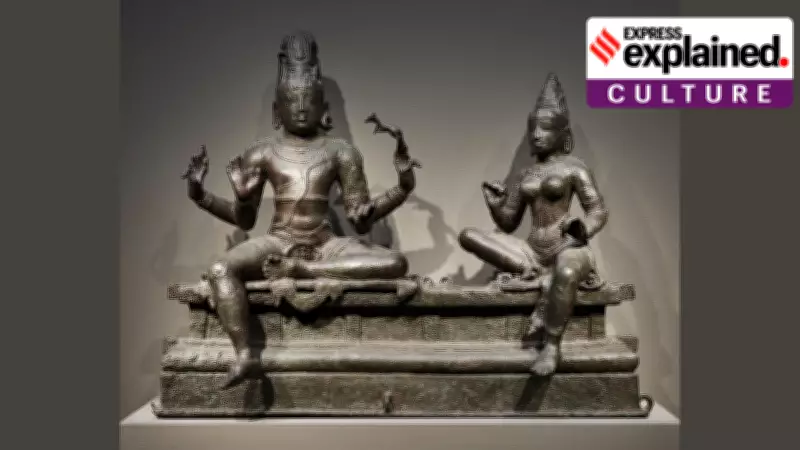
In a significant move for cultural restitution, the Smithsonian's National Museum of Asian Art (NMAA) in the United States has declared its decision to return three bronze sculptures to the Government of India. The artefacts, identified as having been illegally removed from temple settings, include a Shiva Nataraja from the Chola period (circa 990), a Somaskanda from the 12th century, and a depiction of Saint Sundarar with Paravai from the Vijayanagar period (16th century). This announcement comes amid a growing global push to repatriate looted or illicitly trafficked cultural items to their countries of origin, with similar efforts benefiting nations like Cambodia, Indonesia, Sri Lanka, and Thailand.
Detailed Iconography and Historical Significance of the Bronzes
All three sculptures are sacred objects traditionally used in temple processions, showcasing the exceptional artistry of South Indian bronze casting. The Shiva Nataraja, originally from the Sri Bhava Aushadesvara Temple in Tamil Nadu's Thanjavur district, portrays Lord Shiva in the dynamic ananda tandava, or dance of bliss. The Somaskanda, traced to the Visvanatha Temple in Mannargudi, Tamil Nadu, features Lord Shiva seated with his consort, Uma or Parvati. Notably, the NMAA's version is missing their son Skanda, who was often cast separately and prone to separation. The third sculpture, depicting Saint Sundarar and his wife Paravai, was housed at the Shiva Temple in Veerasolapuram village, Tamil Nadu, and was revered for promoting Shiva worship in eighth-century southern India.
Provenance Research Uncovers Discrepancies and Illegal Removal
The bronzes, part of the NMAA's collections for decades, came under scrutiny during a systematic review that highlighted discrepancies in their paper trails. Nancy Karrels, Associate Director of Provenance and Object Histories at NMAA, explained that the museum's earlier collecting policies were less stringent, necessitating this review. Collaboration with the Photo Archives of the French Institute of Pondicherry in 2023 confirmed the sculptures' presence in Tamil Nadu temples between 1956 and 1959. The Archaeological Survey of India later verified that their removal violated Indian laws, though the exact circumstances of their departure remain unclear.

- The Shiva Nataraja was purchased by NMAA in 2002 from the Doris Wiener Gallery in New York, which had acquired it in 1973 from a non-existent London gallery, indicating false documentation.
- The Somaskanda and Saint Sundarar with Paravai were donated in 1987 by American psychiatrist Arthur M. Sackler, with origins traced to dealers known for handling stolen antiquities.
Ethical Motivations and Global Implications of the Restitution
Chase F. Robinson, director of NMAA, emphasized the museum's commitment to responsible stewardship and ethical practices, stating that the return results from rigorous research. This restitution aligns with NMAA's longer history of such efforts, dating back to 2002, reflecting an awareness of past unethical transfers of cultural heritage. For India, this action not only reclaims rightful ownership but also fosters international collaboration. Similar repatriations have led to partnerships, such as a five-year exhibition project with Cambodia, highlighting how restitution can enhance cultural sharing and global engagement.
Overall, the Smithsonian's decision underscores a broader trend in museums worldwide to address historical injustices and promote transparency in cultural heritage management.