The Slow Worm: A Legless Lizard Slithering Through Gardens
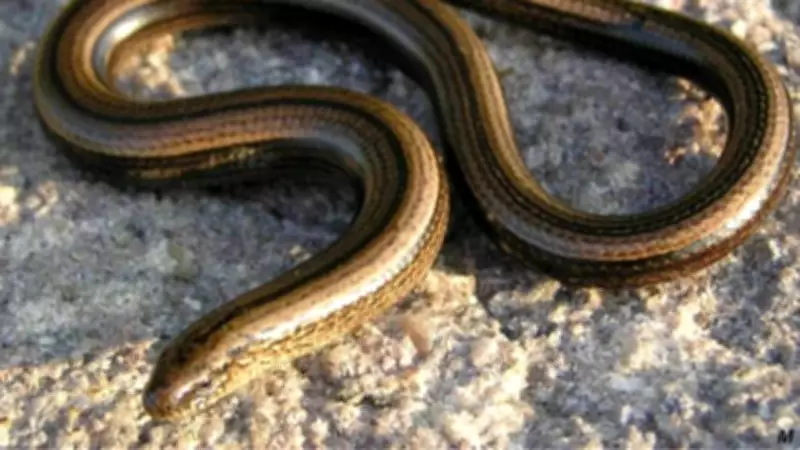
Meet the slow worm, a creature that glides across gardens like a tiny liquid shadow, often causing confusion among observers. This legless lizard, as experts identify it, has a remarkable ability to deceive everyone who encounters it. Children scream, gardeners blink in surprise, and people frequently step over it, assuming it is a harmless snake. Its long, smooth, scaly body might sniff the air with a little tongue, adding to the mystery.
What Is a Slow Worm and How It Differs from a Snake
Despite its snake-like appearance, the slow worm is neither a snake nor a worm; it is a legless lizard, a distant cousin of snakes. Snakes belong to the suborder Serpentes, but slow worms have distinct features. They possess eyelids and can blink, unlike snakes. Their tongues are short and thick, contrasting with the thin, forked tongues snakes use to taste their surroundings. Movement-wise, slow worms are somewhat stiff and less fluid, with scales that do not overlap, aiding in burrowing without snagging. This allows them to disappear under soil clumps in seconds.
How to Spot a Slow Worm
Slow worms can grow to 16 to 18 inches in length. Males tend to be lighter in color, sometimes dotted with blue, while females are larger, darker, and may have a stripe down their back. Their heads merge seamlessly into their bodies without a distinct neck, and their tails grow out smoothly. The skin is typically brown, gold, or mottled, smooth and shiny, perfect for slipping under leaves or hiding beneath garden debris. If you find tiny patches of reptile skin, it is likely from a slow worm shedding gradually, unlike snakes that shed all at once.

Slow Worm Behavior and Habits
These reptiles primarily feed on slugs, earthworms, and bugs, making them secret favorites among gardeners for natural pest control. In winter, they brumate, a state similar to hibernation but involving a slowdown in activity. They choose different shelters than snakes, often burrowing underground while snakes hide in cracks. When threatened, slow worms can shed their tails, which thrash to confuse predators, allowing escape. Some even emit a smelly substance as a defense. Unlike snakes that hiss or bite aggressively, slow worms are subtle, reserving their gentle nips for mating rituals.
Habitat and Lifespan of the Rarely Seen Slow Worm
Found across most of Europe and into western Asia, slow worms prefer damp environments such as heathland edges, woodland fringes, and gardens. Compost heaps are reportedly their favorite hunting grounds. They are nocturnal, shy, and often overlooked, but with patience, one might spot their sleek bodies gliding through soil under moonlight. In the UK, they inhabit lowland England, Scotland, and Wales, favoring cool, damp habitats like open woodlands, moist heaths, and grasslands. Unlike many British reptiles, they rarely bask in the sun, preferring cooler areas. Slow worms are among the longest-lived lizards, with one recorded at 54 years old, though most live around 15 years.
Why We Should Care About Slow Worms
Slow worms may resemble snakes in appearance and movement, but they are entirely different creatures—harmless, fascinating, and valuable as gardeners' allies due to their predation on slugs. As secretive residents of green spaces, they deserve attention and protection. Keep an eye out in your garden; blink, and you might miss them slinking by, a testament to the hidden wonders of nature.