Discovering India's Hidden Dance Treasures
India's cultural landscape is adorned with a myriad of classical dance forms, many of which remain overshadowed by the more widely recognized styles such as Bharatanatyam, Kathak, and Odissi. While these popular forms have gained international acclaim, there exists a rich tapestry of lesser-known classical dances that are equally captivating and steeped in history. These art forms, often rooted in regional traditions and mythological narratives, offer a deeper insight into India's diverse artistic heritage. In this exploration, we unveil six such Indian classical dance forms that you might not have encountered, each with its unique charm and significance.
1. Sattriya: The Monastic Dance of Assam
Sattriya is a classical dance form that originated in the sattras or monasteries of Assam, founded by the 15th-century saint and reformer Srimanta Sankardeva. Initially performed as a part of religious rituals and devotional practices, Sattriya has evolved into a sophisticated art form recognized by the Sangeet Natak Akademi in 2000. Characterized by its graceful movements, intricate footwork, and expressive gestures, this dance often depicts stories from Hindu epics like the Bhagavata Purana. The costumes are vibrant, typically featuring traditional Assamese silk, and the music is deeply spiritual, creating an immersive experience that transports audiences to the serene environs of Assam's monastic traditions.
2. Chhau: The Martial Dance of Eastern India
Chhau is a unique classical dance form that blends elements of martial arts, folk traditions, and storytelling, primarily practiced in the states of Jharkhand, West Bengal, and Odisha. There are three distinct styles: Seraikella Chhau, Mayurbhanj Chhau, and Purulia Chhau, each with its own regional variations. Known for its vigorous movements, acrobatic feats, and elaborate masks, Chhau often portrays themes from mythology, nature, and everyday life. The dance is performed during festivals and cultural events, with rhythmic drumbeats and traditional instruments adding to its dynamic energy. Despite its ancient roots, Chhau continues to thrive as a vibrant expression of India's martial heritage.

3. Mohiniyattam: The Enchanting Dance of Kerala
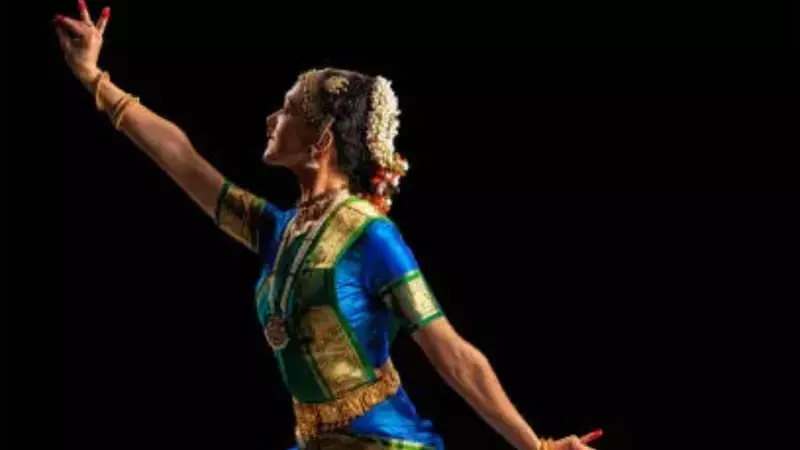
While Mohiniyattam is relatively better known compared to others on this list, it often remains underappreciated in the broader context of Indian classical dance. Originating in Kerala, this graceful form is characterized by its swaying movements, delicate gestures, and lyrical expressions that evoke the divine feminine. The name Mohiniyattam translates to dance of the enchantress, and it traditionally depicts stories of love and devotion, often centered around the Hindu goddess Mohini. The costumes are simple yet elegant, typically in white and gold, with jasmine flowers adorning the hair. Accompanied by Carnatic music, Mohiniyattam offers a serene and mesmerizing performance that highlights Kerala's rich cultural ethos.
4. Gaudiya Nritya: The Lost Dance of Bengal
Gaudiya Nritya is a classical dance form that traces its origins to ancient Bengal, with references found in historical texts and temple sculptures. Though it faced a decline over the centuries, efforts are underway to revive this art form, which is known for its intricate mudras (hand gestures) and expressive abhinaya (acting). Gaudiya Nritya often draws inspiration from Vaishnavism, depicting tales of Radha and Krishna, and incorporates elements of local folk traditions. The dance is performed with traditional Bengali music, creating a poetic and devotional ambiance. As a testament to India's resilient cultural legacy, Gaudiya Nritya represents a fascinating chapter in the evolution of classical dance.

5. Thang-ta: The Martial Dance of Manipur
Thang-ta is a classical dance form from Manipur that combines martial arts with rhythmic movements, making it a unique blend of combat and artistry. The name derives from thang (sword) and ta (spear), reflecting its origins in ancient warfare techniques. Performers showcase skill and agility through sequences that mimic battle, often accompanied by traditional Manipuri music and drums. Thang-ta is not only a dance but also a discipline that emphasizes physical fitness and spiritual harmony. It is performed during cultural festivals and has gained recognition as an integral part of Manipur's heritage, offering a glimpse into the region's historical valor.
6. Yakshagana: The Theatrical Dance of Karnataka
Yakshagana is a classical dance-drama form from Karnataka that blends dance, music, dialogue, and elaborate costumes to narrate stories from Hindu epics like the Ramayana and Mahabharata. Known for its vibrant makeup, colorful attire, and dynamic performances, Yakshagana is often staged overnight in open-air settings, captivating audiences with its theatrical flair. The dance involves vigorous movements and expressive gestures, supported by traditional percussion and wind instruments. While it has folk roots, Yakshagana is considered a classical form due to its structured techniques and historical significance. It remains a popular cultural spectacle in Karnataka, celebrating the region's artistic traditions.
Preserving India's Cultural Diversity Through Dance
These six Indian classical dance forms—Sattriya, Chhau, Mohiniyattam, Gaudiya Nritya, Thang-ta, and Yakshagana—highlight the incredible diversity and depth of India's performing arts. Each form is a living testament to regional histories, religious beliefs, and artistic innovations that have been passed down through generations. By exploring these lesser-known styles, we not only appreciate their aesthetic beauty but also contribute to their preservation in an era of globalization. As audiences and enthusiasts, supporting these art forms through awareness and patronage can help ensure that India's rich dance heritage continues to inspire future generations. Whether you are a dance aficionado or a curious learner, delving into these hidden gems offers a rewarding journey into the heart of Indian culture.