Sissu Village Implements 40-Day Tourism Ban to Honor Sacred Traditions
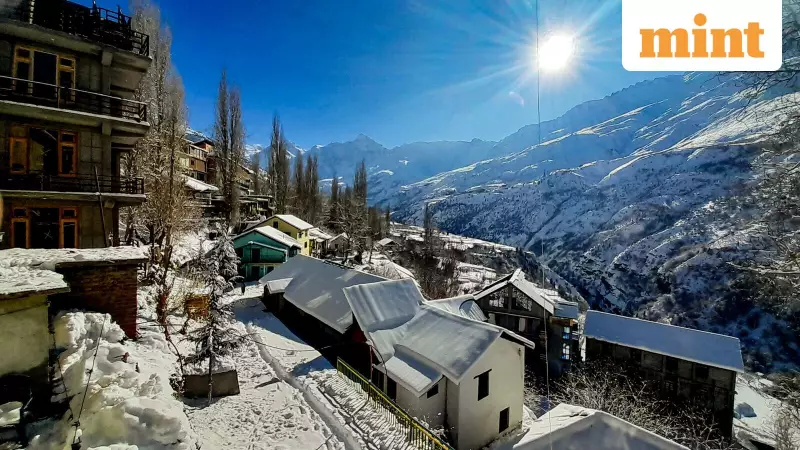
The picturesque village of Sissu in Himachal Pradesh will close its doors to tourists for forty days starting January 20. Local authorities made this decision to protect the area's deep-rooted religious practices and cultural heritage.
Gram Panchayat Announces Complete Suspension
Village elders, religious leaders, and the elected gram panchayat jointly agreed to pause all tourism-related activities until February 28. This collective decision aims to allow residents to observe their sacred winter rituals without any external disturbances.
The ban applies to all forms of tourism within panchayat limits. Hotels, homestays, sightseeing tours, adventure sports, and recreational activities will remain suspended during this period.

Spiritual Significance of Winter Months
For Sissu residents, late January and February represent one of the most spiritually important times of the year. This period coincides with key religious observances including Losar, the Tibetan New Year celebration, and the Halda festival.
The Halda festival symbolizes the triumph of light over darkness through unique local rituals. Villagers believe the presence of outsiders during these ceremonies could disrupt the spiritual environment required for prayers dedicated to deities like Raja Ghepan and Goddess Bhoti.
Community members traditionally observe what they describe as a phase of spiritual seclusion during these weeks. They prioritize rituals and community gatherings over commercial tourism activities.
Impact on Travel Plans and Activities
All major attractions in and around Sissu will remain inaccessible during the forty-day closure. Frozen waterfalls, snow trails, and adventure zones will be off-limits to visitors.
Popular winter activities including skiing, tube sliding, zip-lining, and hot air ballooning have been temporarily halted. While the Manali–Keylong route via the Atal Tunnel may remain operational depending on weather conditions, travelers will not receive permission to enter Sissu village for leisure purposes.
Other parts of Lahaul-Spiti district, including Koksar, Keylong, and Yangla, will continue welcoming visitors as usual.
Enforcement and Community Participation
Local authorities are implementing the closure with support from youth volunteers and women's groups. Informational notices have been placed at all entry points to the village.
Travelers receive advance advisories to avoid Sissu during the restricted period. Officials urge visitors to respect local sentiments and refrain from sightseeing, photography, or recreational stops in the village until the ban lifts.
Balancing Modern Tourism with Ancient Traditions
Sissu has emerged as a winter tourism hotspot since year-round access became possible through the Atal Tunnel. The village witnessed a significant surge in winter footfall in recent years.
However, community leaders emphasize that the forty-day closure serves as an important reminder. Spiritual heritage takes precedence over seasonal tourism trends in their cultural priorities.
Village representatives clarify that this move does not intend to discourage tourism permanently. Instead, it aims to prevent the dilution and commercialization of deeply rooted traditions that have existed for centuries.
Future Plans and Recommendations
Tourists planning trips to the region should reschedule their visits for March onwards. Sissu will reopen to visitors after completing all religious ceremonies by the end of February.
Until then, the snow-covered village will remain closed to outsiders. This temporary closure reserves the space for rituals, prayers, and traditions that predate modern tourism by hundreds of years.
The decision reflects a community's commitment to preserving cultural identity while managing the pressures of increased tourism accessibility.