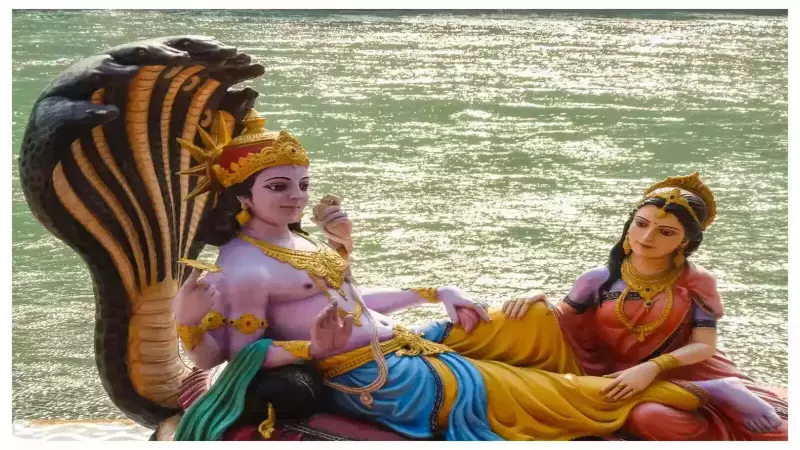
The Hindu calendar for 2026 begins with a highly auspicious observance, Shattila Ekadashi. This sacred day, dedicated to the worship of Lord Vishnu, is marked by devotees with immense devotion and purity. Falling in the month of Magha, it sets a spiritually significant tone for the year ahead.
Shattila Ekadashi 2026: Auspicious Date and Timings
In the Hindu lunar calendar, Ekadashi occurs twice monthly during the waxing (Shukla Paksha) and waning (Krishna Paksha) phases of the moon. The Shattila Ekadashi is observed on the eleventh day (Ekadashi Tithi) of the Krishna Paksha in Magha month. In 2026, this falls on Wednesday, January 14.
The precise astrological timings for the fast and rituals are as follows:

Ekadashi Tithi Begins: January 13, 2026, at 03:17 PM
Ekadashi Tithi Ends: January 14, 2026, at 05:52 PM
The fast is traditionally broken during the Parana time on the following day. The recommended window for Parana is on January 15, 2026, from 07:15 AM to 09:21 AM. It is crucial to note that the Dwadashi Tithi ends on January 15 at 08:16 PM.
Significance and the Rare Makar Sankranti Conjunction
Shattila Ekadashi holds profound spiritual importance. The name 'Shattila' is derived from 'til,' meaning sesame seeds, which are integral to the day's observances. It is believed that observing this vrat (fast) pleases Lord Vishnu, bestowing wealth, prosperity, and the removal of sins from one's past deeds.
The year 2026 presents a unique celestial event as Shattila Ekadashi coincides with the festival of Makar Sankranti. This rare combination of Sankranti and Ekadashi, occurring after many years, makes the day exceptionally potent for spiritual pursuits. Devotees have a golden opportunity to appease both Lord Vishnu and Lord Surya (the Sun God) simultaneously. A key point of observance is that those fasting for Ekadashi should avoid consuming Khichdi on Makar Sankranti this particular year, as the fast takes precedence.
Essential Puja Rituals and Mantras
Observing Shattila Ekadashi with the correct rituals amplifies its benefits. Here is a guide to the traditional puja vidhi:
1. Devotees should wake up during the Brahma Muhurta (pre-dawn hours) and take a bath. Adding sesame seeds to the bathing water is considered highly meritorious.
2. After purification, take a solemn vow (Sankalp) to observe the fast with full devotion to Lord Vishnu.
3. Perform the puja by lighting a lamp with sesame oil or ghee. Offer yellow flowers, Tulsi leaves, and fruits to the deity.
4. The special bhog (offering) for this day consists of items made from sesame seeds and jaggery (Til-Gud).
5. Chanting sacred mantras dedicated to Lord Vishnu is a core part of the worship. Devotees can recite the Vishnu Sahasranama or the following powerful mantras:
Om Namo Bhagavate Vasudevaya
Achyutam Keshavam Krishna Damodaram Ram Narayanam Janaki Vallabham
Hare Ram Hare Ram Ram Ram Hare Hare Hare Krishna Hare Krishna Krishna Krishna Hare Hare
By following these practices with a pure heart, devotees seek the divine blessings of Lord Vishnu for a year filled with peace, prosperity, and spiritual growth.