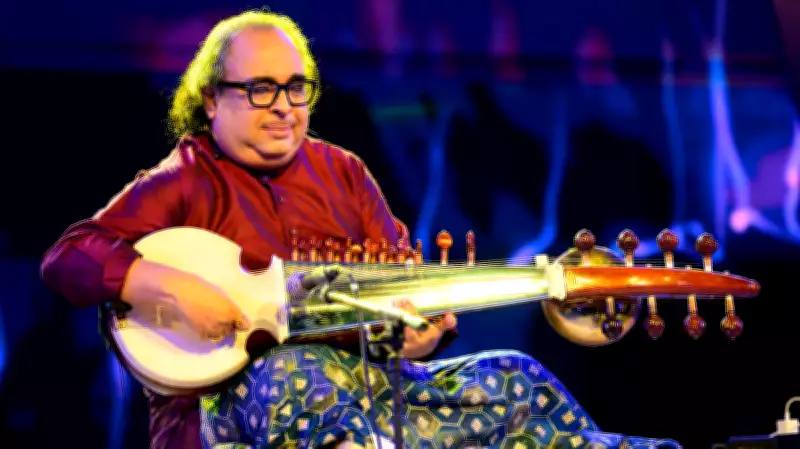
The Sarod's Voice: A Language Overflowing with Raw, Unfiltered Emotion
In the rich tapestry of Indian classical music, the sarod stands out as an instrument that speaks directly to the soul. Its deep, resonant tones are not merely sounds but a language brimming with raw, unfiltered emotion, capable of conveying feelings that words often fail to capture. This article explores how the sarod communicates profound human experiences through its unique voice.
The Instrument's Unique Sound and Emotional Depth
The sarod, with its fretless metal fingerboard and sympathetic strings, produces a sound that is both haunting and expressive. Unlike many other instruments, it allows for continuous glides between notes, creating a fluid, vocal-like quality that mimics the nuances of human speech and emotion. This characteristic enables musicians to express a wide range of feelings, from deep sorrow to exuberant joy, with remarkable authenticity.
Renowned sarod players have long emphasized that the instrument's power lies in its ability to evoke raw, visceral responses from listeners. The deep, resonant bass notes can stir a sense of melancholy or introspection, while the sharper, higher tones can ignite passion and excitement. This emotional versatility makes the sarod a favored tool for storytelling in music, where each performance becomes a narrative of the heart.

Cultural Significance and Historical Roots
Originating from the lute family and evolving in the Indian subcontinent, the sarod has deep roots in the cultural and spiritual traditions of the region. It is often associated with the devotional music of Sufism and Hindustani classical, where emotion is central to the artistic expression. Over centuries, it has been refined by masters who have passed down techniques that enhance its emotional expressiveness, making it a symbol of India's rich musical heritage.
The instrument's design, which includes a skin-covered resonator and metal strings, contributes to its distinctive timbre. This combination allows for a sustain and resonance that amplifies emotional impact, enabling performers to linger on notes and phrases that resonate deeply with audiences. In concerts, the sarod's voice can fill a hall with an atmosphere of intimacy and intensity, bridging the gap between artist and listener.
Modern Interpretations and Global Appeal
In contemporary times, the sarod continues to captivate audiences worldwide, not just in traditional settings but also in fusion and cross-genre collaborations. Its raw emotional language transcends cultural boundaries, appealing to listeners who may not understand the technicalities of Indian classical music but can feel its profound emotional currents. This universal appeal highlights how the sarod's voice speaks a primal language of emotion that is understood across diverse contexts.
Moreover, the instrument's role in education and preservation efforts ensures that its emotional legacy endures. Young musicians are taught to harness the sarod's expressive potential, learning to channel their own feelings into their playing. This personal connection between artist and instrument is what makes each performance unique, as the sarod becomes an extension of the musician's inner world.
Conclusion: The Enduring Power of Emotional Expression
The sarod's ability to speak a language brimming with raw emotion is a testament to its enduring significance in the world of music. It reminds us that art, at its core, is about communication—not just of ideas, but of the deepest human experiences. Whether in a quiet solo recital or a vibrant ensemble, the sarod's voice continues to echo with the timeless emotions that connect us all, making it a cherished instrument in the global musical landscape.