Saraswati Puja 2026: Celebrating Knowledge and Wisdom on Basant Panchami
As the vibrant festival of Basant Panchami approaches in 2026, devotees across India prepare to honor Goddess Saraswati, the embodiment of knowledge, music, and arts. This auspicious day, falling on the fifth day of the bright fortnight in the Hindu month of Magha, marks the onset of spring and is deeply rooted in spiritual traditions. Saraswati Puja is not merely a ritual but a celebration of enlightenment, where students, artists, and seekers gather to seek blessings for wisdom and creativity.
The Sacred Pushpanjali Mantra: Invoking Divine Grace
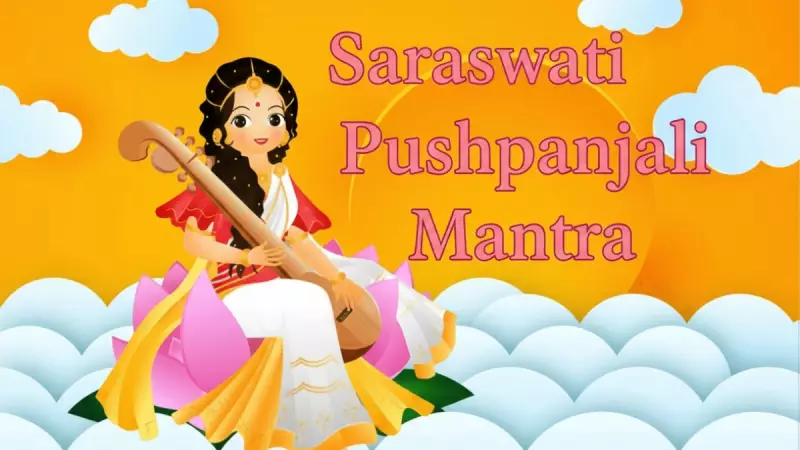
Central to the Saraswati Puja rituals is the recitation of the Pushpanjali mantra, a powerful chant offered with flowers to the goddess. This mantra, often recited in Sanskrit, is believed to purify the mind and attract divine blessings for academic and artistic pursuits. Devotees chant it with devotion, visualizing Goddess Saraswati seated on a white lotus, holding a veena and scriptures, symbolizing harmony and learning. The mantra serves as a spiritual conduit, enhancing focus and intellect during the puja.
Traditional Rituals and Observances
On Basant Panchami 2026, families and communities will engage in various time-honored practices to celebrate Saraswati Puja. Key rituals include:

- Idol Installation: Placing an idol or image of Goddess Saraswati in homes and temples, adorned with yellow flowers and garments, reflecting the color of spring and wisdom.
- Offerings: Presenting fruits, sweets, and educational tools like books and musical instruments as offerings to seek the goddess's favor.
- Prayer Sessions: Conducting collective prayers and hymns, often led by priests, to invoke blessings for success in studies and creative endeavors.
- Cultural Programs: Organizing music, dance, and poetry recitals in schools and cultural centers, highlighting the festival's artistic essence.
Significance of Basant Panchami in Indian Culture
Basant Panchami holds profound cultural and spiritual importance in India, transcending religious boundaries. It symbolizes the renewal of nature and the awakening of inner knowledge. For students, it is an auspicious day to begin new educational ventures, while artists use it to dedicate their work to the goddess. The festival also promotes community bonding, as people share festive meals and participate in local events, fostering a sense of unity and cultural pride.
In 2026, as Saraswati Puja aligns with Basant Panchami, it offers a moment for reflection on the value of education and creativity in modern life. Embracing these traditions can inspire a deeper connection to India's rich heritage, encouraging lifelong learning and spiritual growth.