For one special day, Bengaluru swapped its usual urban hustle for the gentle rhythms of village life. The city's Jakkur Grounds became the stage for Suggi Huggi, a community Sankranti festival that brought Karnataka's rich agrarian traditions right into the urban landscape.
Urban Space Transformed into Rural Celebration
Organized by revenue minister and Byatarayanapura MLA Krishna Byregowda, the festival drew large crowds eager to experience authentic rural celebrations. Families and senior citizens arrived in impressive numbers, creating a vibrant atmosphere that celebrated farmers, harvests, and community connections.
The event successfully recreated the essence of village Sankranti celebrations within the city's boundaries. Through carefully curated activities and displays, urban residents gained firsthand exposure to traditions that many had only heard about from older generations.

A Day Packed with Traditional Activities
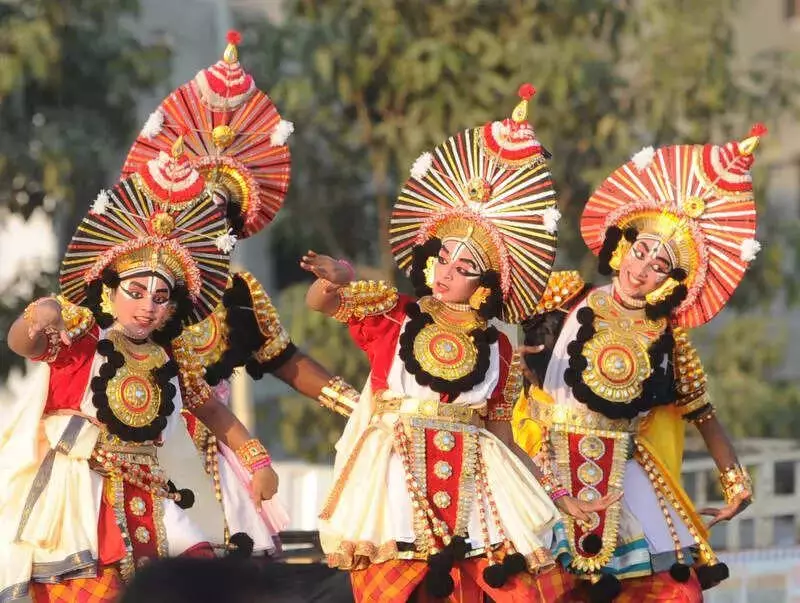
The festival opened with energetic cultural and dance performances that set the celebratory tone. Visitors then enjoyed various rural games including pot-breaking contests and kabaddi matches that captured the spirited atmosphere of village fairs.
Kite-flying sessions filled the sky with colorful patterns, while bullock-cart rides provided nostalgic transportation. The Vasavi Avarebele Mela attracted crowds with fresh agricultural produce and traditional Sankranti delicacies, offering authentic tastes of the harvest season.
As evening approached, the Barfi Band took the stage, transforming the grounds into a music-filled space that kept energy levels high. The festival successfully maintained its lively atmosphere from morning through night.
Theatre Adds Cultural Depth
Beyond the traditional festivities, theatre provided meaningful cultural context. Prabhat Arts' acclaimed production "18 Days – Dusk of an Era" emerged as a significant highlight, adding artistic depth to the celebrations and connecting contemporary audiences with historical narratives.
Organizer's Vision for Cultural Connection
Meenakshi Krishna Byre Gowda, the festival organizer and social worker, explained the event's purpose clearly. "We wanted to bring the essence of rural Karnataka to the city," she stated. "The festival lets children and families witness how Sankranti was celebrated in villages. It's a community celebration connecting urban residents to culture, farmers and local artisans."
Visitor Experiences and Reactions
Attendees expressed genuine appreciation for the festival's ability to bridge urban and rural experiences.
Shivakumar H A, 46, from Sampigehalli observed, "Bengaluru is becoming increasingly urbanised, and many traditional festivals are slowly fading away. Events like this help revive the village atmosphere that we have missed. The rural games, cattle displays, and various activities were both enjoyable and nostalgic."
Dr Reddappa HM, 52, a professor from Jakkur shared personal connections, saying, "These rural traditions remind us of our childhood, something today's children rarely experience. Coming from a farming family, harvest season always meant festivals and celebrations."
Bhushan Nagendra, a software professional from Jayanagar 6th Block traveled across the city to attend. "This event brings out Karnataka's culture beautifully. People from across the country live in this area, and such programmes help them connect with local traditions. From puja rituals to eating sugarcane and groundnuts, it brings us closer to our roots."
Archana Deshmukh, 45, and Kamalesh D, 53, from Manyata Tech Park appreciated the cultural preservation aspect. "Preserving culture is important, and events like this make it possible. We feel celebrations here are even more vibrant, with something for everyone."
Younger attendees also found meaningful experiences. Sister Tanvi M (6th class) and her brother Maurya M (2nd class) returned for their second year, noting, "At home, Sankranti is usually limited to Pongal, but here we saw so many things — from decorated bullock carts to bamboo structures."

N Sinchana, Spandana and Nidhi Vineed from Vishwaranyapura particularly enjoyed the dance performances. "Each performance represented culture in a different way, with unique styles and themes. It was interesting to see such diversity on one stage."
Even visitors from outside Karnataka found value in the experience. Antima Saini and Prisha V, a mother and daughter from Thanisandra originally from North Delhi explained, "We wanted to experience the local culture and traditions, and this event gave us that opportunity."
Cultural Significance in an Urban Context
The Suggi Huggi festival demonstrated how traditional celebrations can thrive within modern urban environments. By transforming Jakkur Grounds into a temporary village space, organizers created an accessible bridge between Bengaluru's present and Karnataka's agricultural heritage.
The event's success highlights a growing desire among urban residents to connect with cultural roots. As cities expand and modernize, festivals like Suggi Huggi provide vital opportunities to maintain cultural continuity and pass traditions to younger generations.
Through folk performances, traditional games, agricultural displays, and community interactions, the festival created a living museum of Karnataka's rural traditions. It proved that cultural preservation can be both educational and entertaining, offering urban dwellers meaningful connections to their heritage.